Temps and termites are on the rise. Schedule your free inspection today.

800-837-5520 Call us for a free quote Contact us

Bald-faced hornets

Bald-faced hornets, scientifically known as Dolichovespula maculata, are striking members of the wasp family Vespidae. 

Despite their common name, bald-faced hornets are actually a type of yellowjacket wasp rather than a true hornet. These black-and-white-patterned insects are widely known for their large, enclosed nests and aggressive nest-defending behavior.

These wasps play an important role in North American ecosystems by managing insect populations, but they can pose a threat when they nest too close to human activity.

Curious about the wasps around your home or business? Learning about the different types of wasps can help you spot potential pest problems early – and take the right steps to address them.

Bald-faced hornets

Characteristics

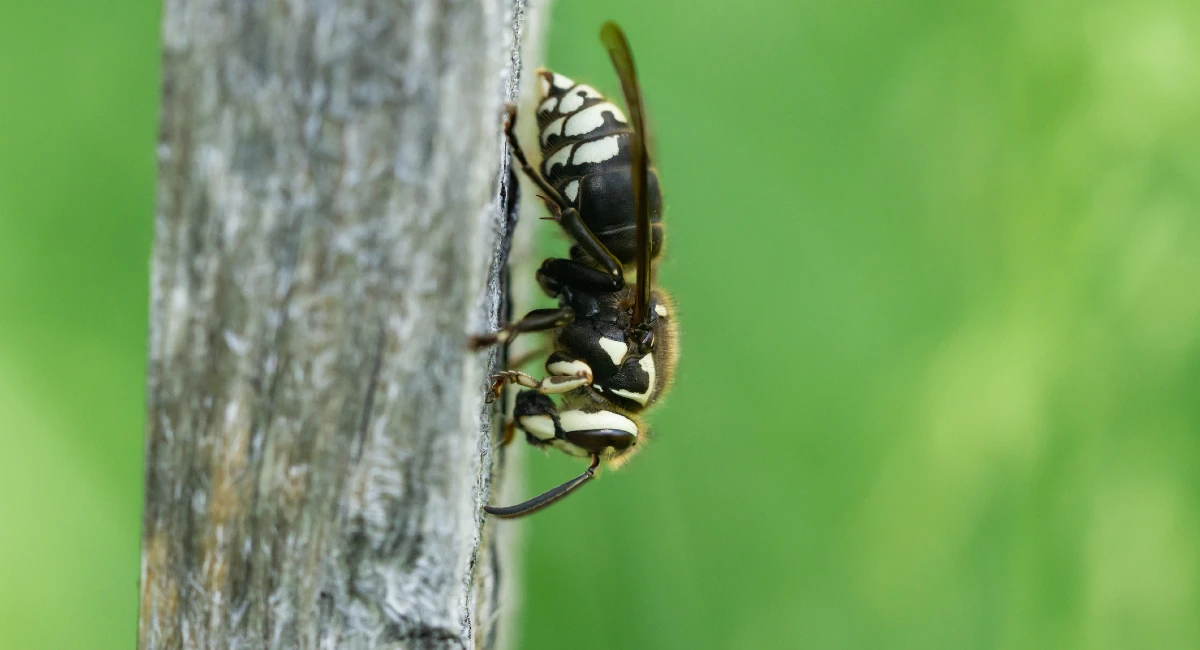
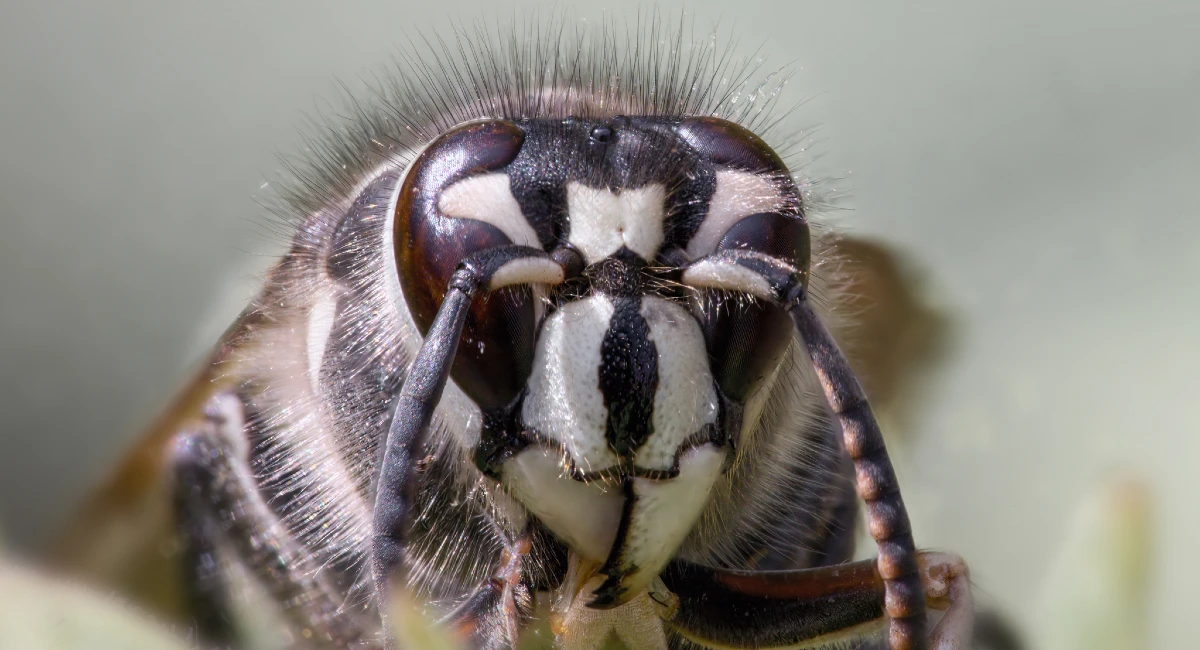
Bald-faced hornets are easily recognized by their black bodies and distinctive white markings on their face and abdomen, which give them the ‘bald-faced’ name.

Workers are around ½” - ⅝” inch long, with the queen being slightly larger at ¾”. Unlike honeybees, bald-faced hornets can sting multiple times since their stingers are smooth rather than barbed, a trait that makes them more effective defenders of their colonies.

Curious about hornets? Learn more about their behavior and habitats.

Identification

These wasps are often spotted by their paper-like nests, typically built high up in trees, on shrubs, or even on man-made structures. The nests are large, round, and covered in a gray paper-like material, a result of the wasps chewing wood fibers and mixing them with their saliva.

This unique nest appearance, along with their striking black-and-white color pattern, makes these wasps easy to identify. Nests reach their largest size in late summer when the colony is at its peak.

Habitat

Bald-faced hornets prefer wooded areas and are often found building nests in trees, bushes, and sometimes on the eaves of buildings. Their nests are typically located several feet off the ground, though they are occasionally built closer to human structures.

The wasps forage for food within a few hundred feet of their nests, feeding on other insects, tree sap, and nectar.

Like other wasps, bald-faced hornet larvae develop through a series of stages: from egg to larva, pupa, and finally adult. In the early stages, larvae are cared for by worker hornets, which feed them a regurgitated mixture of chewed-up insects and sugary substances.

Bald-faced hornets in America

Bald-faced hornets are common throughout North America, from southern Canada to much of the United States. They are particularly prevalent in forested regions but have adapted well to suburban areas. During autumn, most wasps in a colony will die off, while many new queens will overwinter to start fresh colonies in the following spring.


Bald-faced hornet behaviors, threats, or dangers

Known for their aggressive behavior when defending their nests, bald-faced hornets can quickly swarm and sting if they feel threatened. They release alarm pheromones to alert other workers to danger, prompting the colony to defend itself. They can sting multiple times, causing pain, swelling, and irritation.

In addition, these wasps can spray venom at threats, targeting the eyes, which can lead to temporary blindness or discomfort. This defensive behavior effectively keeps predators and human intruders away from their nests.
Are bald-faced hornets hard to get rid of?

Removing bald-faced hornets can be challenging and potentially dangerous due to their territorial nature. They can become particularly aggressive if they feel the nest is under attack, making removal attempts risky.

Professional pest control services are often the safest way to remove a nest, as experts have the proper equipment and knowledge to handle the situation effectively.

Contact our team at Ehrlich Pest Control today for effective wasp control!

Bald-faced hornets closeup

How many bald-faced hornets count as an infestation?

A typical bald-faced hornet colony can host between 100 to 700 individuals at its peak. Even a single nest near human spaces can be problematic due to the high number of wasps and their defensive nature. If you encounter a nest near your home or outdoor area, contact our wasp control experts as it can be difficult to control these colonies safely.

Frequently asked questions

Yes, bald-faced hornets sting to defend their nest. Their smooth stingers allow them to sting repeatedly, unlike honeybees, which have barbed stingers and can only sting once.

Bald-faced hornets stand out due to their defensive behavior and the unique black-and-white coloring distinguishing them from other yellowjackets. Their large, globe-like nests also set them apart and are often visible in trees or high on buildings.

A sting from a bald-faced hornet can cause intense pain, redness, and swelling, which may last a few hours to a day. For those with allergies, a sting can lead to severe reactions that require medical attention.

Yes, bald-faced hornets are notably aggressive, especially near their nests. They release alarm pheromones to alert others when they sense a threat, triggering a defensive response from the colony.

Yes, if they feel their nest is threatened, bald-faced hornets may pursue a perceived intruder over some distance to defend their territory.

They generally forage for food within a few hundred feet of the nest, although they may travel farther if necessary.

Worker hornets, which are sterile females, generally live for 12 to 22 days. Male hornets, which emerge in late summer for mating purposes, also have a short lifespan, typically dying shortly after mating. The queen, however, can live up to one year.

Worker hornets live only a few weeks to months during the active season, while the queen may overwinter to start a new colony the following spring.

Need help with bald-faced hornet control?

Bald-faced hornets can be more than just a backyard nuisance—they pose real threats due to their aggressive behavior and powerful stings. Managing them safely requires expertise and the right approach to ensure they’re effectively removed without increasing the risk of stings.

Ehrlich Pest Control specializes in managing bald-faced hornets. Our team of experts can protect your property from all types of wasps. Contact us today for assistance with your hornet problem!

Find your local branch

Start living pest-free today with PestFree365+. Ehrlich Pest Control protects your home from 36 different pests for the ultimate peace of mind.