800-837-5520 Call us for a free quote Contact us

7 facts about hornets

Hornets are one of the most recognizable stinging insects in the U.S., and one of the most misunderstood. They're often confused with wasps or bees, but hornets have their own distinct behaviors, biology, and risks that are worth knowing about. 

Whether you've spotted one near your home or just want to know what you're dealing with, the facts below will give you a clearer picture. From how they build their nests to why they sting, understanding hornets can help you know when it's time to call in the experts.

1. Gentle giants

A little-known fact about hornets is that they are actually not as aggressive as you might think.

Like most nest-building insects, hornets will usually only attack to defend their colony when they feel it is being threatened. This is mainly only when someone or something comes within close proximity of the nest (the radius of this is usually six and a half feet).

Outside of their nest area hornets have been known to be quite passive. It has been noted by some researchers that hornets are shy, peaceful creatures. They tend to avoid conflict and only attack when they absolutely have to.

2. Wasp vs hornet: hornets are a type of wasp

Did you know hornets are actually a subset of wasps? In particular, hornets are a breed of social wasps, living in large, highly organized colonies.

Hornets belong to the insect family Vespidae. This family contains each species of hornets as well as wasps such as yellow jackets, paper wasps, potter wasps and pollen wasps.

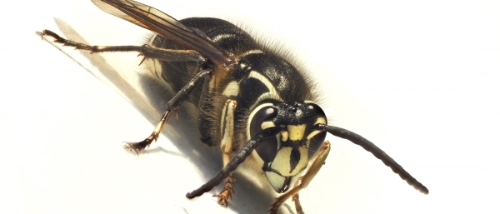
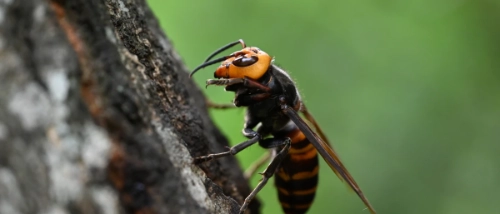
The main difference between wasps and hornets is their size. Hornets are relatively larger than wasps, which is one of the main reasons they are so scary, although as previously discussed, they are quite shy. Another difference is the color. Wasps which are usually yellow and black, hornets are more orange and red, although this does vary with each species.


Hornet

Wasp

3. Hornets nest below ground

So where do hornets create nests? That depends on the species. Typically, hornets like to build their nests in high areas. These include, but are not limited to:

  • Attics
  • Treetops
  • Under roofs
  • Decking
  • Sheds
  • Garages
  • Hollow tree trunks
  • Areas that are raised off the ground.

Hornet nests which are elevated are sometimes free-hanging, using a stalk called a petiole which attaches to the nearest object such as a tree branch.

However, hornets are also known to build their nests in enclosed spaces that provide support and security. Sometimes this can be old, abandoned rodent burrows.

Located within fields, gardens, and parks, hornets that build their nests in the ground pose a real risk to humans. For areas with high human activity, it’s best to seek a hornet control service to safely handle these nests. Ground nests in populated areas run the risk of being accidentally stepped on, causing the hornets to attack the unsuspecting person.

Seeing hornets?

Call now to book your free inspection.

4. Natural pest controllers

Hornets are one of mother nature’s pest controllers. With a craving for insects such as aphids, hornets help rid the world of unwanted garden pests which damage resources within an agricultural setting.

What do hornets eat?

Hornets are known to have a rich diet of sugar and protein among other things.

  • Sugar – Like other types of wasps, hornets have a real sweet tooth and crave sugary things such as fruit and fizzy drinks.
  • Sap – Hornets love tree sap! You can often find them using their mandibles to pull back the bark from trees to get to the sticky golden substance.
  • Protein – Just like other insects within the Vespidae family, their young live off protein which the workers forage for in the form of insects and other animals. In return, the larvae releases a sweet syrup which the adults lap up.
A closeup of a bald-faced hornet against a white background

5. Hornets love bees

Bees are one of a hornet’s favorite things. Not only are they a great source of protein for their future queens, but they provide a sweet, golden, sugary goodness that hornets love – honey!

Nearly five times the size of a European honey bee, it only takes a small number of giant hornets to wipe out an entire honey bee colony. Their sheer size and power means that one giant hornet can kill roughly 40 bees a minute.

However, Japanese honey bees have developed a cunning tactic to stop these predators from wiping out their colony. As a hornet scout approaches the hive, the honey bees attack her before she can release any pheromones to attract her team mates. A honey bee’s sting and bite is no match for a hornet, so instead they swarm around the lonesome hornet, vibrating their bodies at a tremendous rate. The vibration from the bees causes the temperature to drastically rise, roasting the hornet alive.

This technique is the result of evolution over hundreds of years. Honey bees from the rest of the world have yet to discover this defense mechanism, making them prime targets to giant hornets as they make their way across the globe.
6. Hornet stings: hornet venom can be deadly

The one underlying factor which makes hornets so dangerous is their sting. Although the likelihood of getting stung by a hornet is very small, when they do decide to attack, it can be fatal.

The main reason a hornet’s sting is so deadly compared to other stinging insects is due to the sheer size of a hornet. Generally, hornet venom isn’t considered that toxic to humans, but due to their size, the amount of venom they release per sting can be harmful. Hornets release more venom per sting than any other stinging insect.

A Northern giant hornet perched on a tree trunk

Northern giant hornets

These giant stinging insects are loving the spotlight at the moment. Originating in Japan, the Northern giant hornet has quickly made its way across Europe. With a long stinger, and a venom that contains powerful chemicals that can cause havoc to human tissue and nervous systems, these peaceful creatures shouldn’t be messed with.

With a long stinger, and a venom that contains powerful chemicals that can cause havoc to human tissue and nervous systems,  if you see  these around your property, it’s best to keep your distance and call a professional.

7. Hornets are a delicacy in Japan

Although hornets are responsible for a percentage of hospital visits in Japan, that doesn’t stop them from snacking on these predatory stinging insects. In many Japanese mountain villages, hornets are considered a delicacy, especially hornet larvae. Often eaten either deep-fried or raw, hornets provide a huge amount of protein.

If you have a problem with wasps, bees or other stinging pests on your property, contact Ehrlich today and set up an appointment with one of our wasp control technicians.

Our Ehrlich technicians have the right equipment and training to deal with your hornet problem. Think you have an infestation? Click the button to get in touch with your local experts today. 

Find your local branch

Start living pest-free today with PestFree365+. Ehrlich Pest Control protects your home from 39 different pests for the ultimate peace of mind.