Temps and termites are on the rise. Schedule your free inspection today.

800-837-5520 Call us for a free quote Contact us

Yellow jackets

Yellow jackets are common wasps known for their bold yellow and black coloration and their tendency to become highly active and defensive in late summer and fall.

They are highly social and often gather in large colonies, making them more noticeable around homes and food sources. Their aggressive nature and habit of scavenging for sugary foods often lead to more human encounters, especially in outdoor settings.

Characteristics & identification

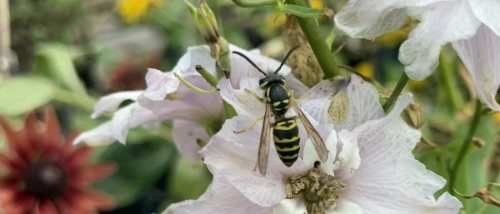
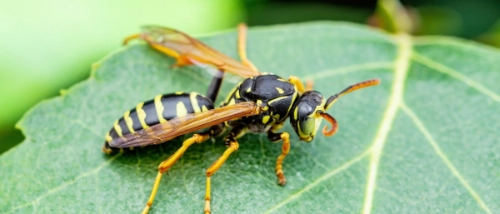
Yellow jackets are medium-sized wasps in the genera Vespula and Dolichovespula. They typically measure about ⅜”-⅝” long and have a smooth, sleek body with a narrow waist.

Their distinctive black and yellow bands are easily recognizable and serve as a warning signal to predators. In addition to their striking appearance, yellow jackets are equipped with strong mandibles for hunting insects and can sting multiple times when threatened.

Yellow jackets can be distinguished from other wasps by their bright coloration and rapid, jerky flight patterns. They are more robust than other wasps, like paper wasps, and have short legs that are not visible during flight.

Due to their size and color, yellow jackets are often mistaken for bees, but they lack the hairy bodies that bees need for collecting pollen.

Curious about wasps? Learn more about their behavior, habitats, and how to manage them effectively.

Yellow jackets

Habitat

Yellow jackets build their nests in hidden, protected areas, including underground burrows, tree stumps, wall cavities, and even spaces within homes. These wasps prefer locations that offer some degree of shelter, and underground nests are particularly common. Their nests are made from chewed wood fibers, which give them a papery appearance and help protect the colony inside.

Yellow jackets in America

Native to North America, yellow jackets thrive in various habitats across the continent, particularly in warmer climates. They’re commonly found throughout the United States, especially in suburban and urban areas with plentiful food sources.

In late summer and fall, yellow jackets become more noticeable as they forage more aggressively for food, especially sugary and protein-rich sources, leading to frequent encounters with people.

Yellow jacket behaviors, threats, or dangers

Yellow jackets are highly defensive of their nests and can become aggressive if they feel threatened. Their stings are painful and can be dangerous, especially for people with allergies.

Unlike bees, which can only sting once, yellow jackets can deliver multiple stings in a single attack and mobilize other colony members if they perceive a threat. This behavior makes them a more considerable risk for those nearby, particularly when their nests are located close to human activity.

Are yellow jackets hard to get rid of?

Yes, yellow jackets are challenging to eliminate due to their large colonies, hidden nests and defensive behavior. Their nests can be extensive, housing thousands of wasps at their peak.

Attempting to remove or destroy a nest can provoke the entire colony to defend it, which is why professional pest control services are generally recommended for safe and effective removal. At Ehrlich Pest Control, our experienced professionals are equipped to safely and effectively manage yellow jacket infestations, keeping your family and property protected.

Contact us today for help with your wasp infestation!

Yellow jacket

How many yellow jackets count as an infestation?

A yellow jacket infestation can be indicated by the frequent appearance of wasps around your home, especially near entry points or food sources. If you observe a constant presence of yellow jackets or discover a nest nearby, it’s a strong sign of an infestation that may require intervention, especially if the nest is in a high-traffic area.

Frequently asked questions

Yellow jackets sting rather than bite when they feel threatened. Unlike bees, they can sting multiple times because their stingers are not barbed. Their sting can cause pain and swelling, and in some cases, severe allergic reactions.

Yellow jackets are unique for their highly social behavior and their role as both predators and scavengers. They help control insect populations by hunting pests, but their scavenging habits bring them into frequent contact with humans.

A yellow jacket colony can grow to house thousands of wasps, with larger nests holding between 1,000 to 5,000 individuals at their peak.

Yellow jackets are attracted to food sources, especially sugary substances and protein-rich foods. Outdoor activities that include food and drinks can inadvertently attract them, as well as pet food left outdoors.

Professional pest control is the safest option for eliminating yellow jackets. Experts can locate and safely remove nests, often with specialized equipment and protective gear to prevent stings.

Yellow jackets can be quite harmful due to their painful stings, especially for people who are allergic. Multiple stings can cause severe reactions, making them more dangerous than many other stinging insects.

Yellow jackets may nest in wall voids, attics, crawl spaces, and other secluded areas within structures. They often enter through small cracks or gaps in the exterior of the home.

Yellow jacket colonies die off as winter approaches, but they may survive the winter in warmer climates in the south.  Nests left unaddressed can become active again the following year, so removal is recommended to prevent recurring problems.

Need help with yellow jacket control?

Yellow jackets are more than just a nuisance; they’re a potential safety hazard.If you’re dealing with yellow jackets around your home or business, Ehrlich Pest Control can help. Our professionals are trained to safely remove yellow jacket nests and provide effective prevention strategies to keep them from coming back. Contact us today to take back your space!

Find your local branch

Start living pest-free today with PestFree365+. Ehrlich Pest Control protects your home from 36 different pests for the ultimate peace of mind.