Habitat
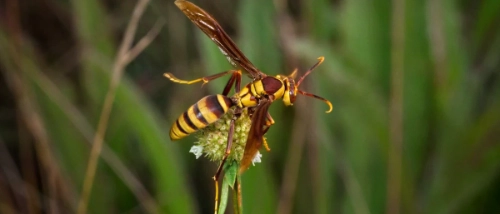
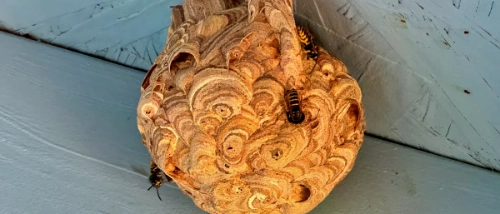
Paper wasps prefer nesting in sheltered outdoor locations, particularly around human structures such as attics, eaves, railings, and sheds. In the wild, they build nests on trees, shrubs, and even within hollowed plant stems. Because paper wasps are drawn to areas that offer both food and protection from harsh weather, human homes provide ideal nesting sites.
In cooler climates, paper wasps die off in the winter, with only fertilized queens surviving in sheltered places until spring. When warmer weather returns, the queens emerge to begin new colonies.
Paper wasps in America
While paper wasps are native to many regions, including North America, several species are considered invasive. For instance, the European paper wasp (Polistes dominula), introduced to North America, has spread widely due to its adaptability to urban environments. This species is now common across the United States, from coast to coast.
Native paper wasp species are generally more reserved, while the European paper wasp is more likely to build nests close to human structures and in unconventional spots like mailboxes and outdoor light fixtures.
Paper wasp behaviors, threats, or dangers
Paper wasps are typically not aggressive and will avoid conflict unless they feel threatened. However, if their nest is disturbed, they will defend it by stinging intruders. Unlike bees, paper wasps can sting multiple times, which can be painfu and, in some cases, trigger allergic reactions in humans.
These wasps are beneficial for natural pest control as they prey on caterpillars, flies, and other insects. Yet, their proximity to human activity can make them a concern, particularly for those with allergies to wasp venom.