Temps and termites are on the rise. Schedule your free inspection today.

800-837-5520 Call us for a free quote Contact us

What attracts termites to your home?

The conditions that bring termites in a house are often easy to overlook. These insects are always searching for food, shelter, and moisture. If your property provides any of these, it may be at higher risk of an infestation. Because they remain hidden for most of their lives, termites may cause extensive damage to homes before you realize they have infested.

What causes termites to infest your home?

Wood is the main thing termites need to survive, but it isn’t the only factor. Certain conditions around your property can make your home even more attractive to these pests:

  • Moisture problems – Leaky pipes, poor drainage, clogged gutters, and high humidity create ideal conditions, especially for subterranean and dampwood termites.
  • Wood-to-soil contact – Deck posts, wooden siding, mulch, or firewood that touch the ground act like a direct bridge for termites into your home.
  • Cracks and gaps – Even tiny openings in foundations, siding, or around plumbing can allow termites to enter undetected.
  • Stored wood and debris – Stacked firewood, lumber, or old tree stumps near your home can give termites a nearby food source that eventually leads them indoors.
  • Climate and geography – Termites thrive in warmer, humid regions. If you live in an area with these conditions, the risk of infestation is naturally higher.

Types of house termites and their preferences

Not all termites thrive in the same environment. Each species has its own needs and habits, which determine where they are most likely to be found in and around your home:

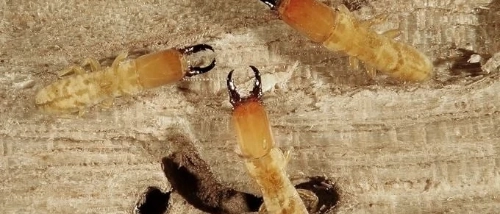
subterranean termites under a rotten old tree stump

Subterranean termites live in soil and need constant moisture. They often infest wood that is touching the ground, such as decks, porches, or sill plates, and travel back and forth through mud tubes.

Drywood termites

Drywood termites live inside dry, untreated wood and don’t require contact with soil. They can be found in attic beams, furniture, or wooden flooring.

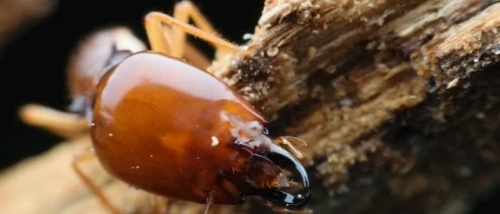
A Dampwood termite

Dampwood termites prefer moist, decaying wood. They are often found in leaky roof areas, basements, or water-damaged flooring.

How do you get termites in your house?

If you’re wondering where termites come from, these pests often enter homes through direct contact with soil or through mud tubes they construct for protection. These tunnels keep them from drying out and allow colonies to spread without being seen. Termites may also be introduced accidentally when homeowners bring in firewood, untreated lumber, or infested furniture. Some drywood termite species can also infest your home by flying in.

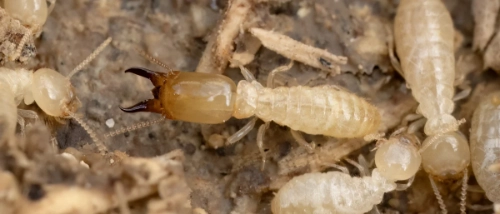
A close-up of some eastern subterranean soldier termites

Can you prevent termites on your own?

There are a few things you can do to make their property less inviting to termites. Keeping wood and mulch away from the foundation, fixing leaks, improving drainage, and ensuring good ventilation in crawlspaces and attics all help reduce risk. Sealing cracks around windows, doors, and siding, as well as storing firewood at least twenty feet from your home, can also make a difference. 

These steps are useful for prevention, but once termites are active inside your home, professional pest control is the only reliable way to get rid of them. Because termites live underground or inside wood, infestations are often difficult to detect and nearly impossible to eliminate without expert treatment.

Learn more about how to save your home from termite damage.
Termites in the house? Schedule your free inspection today

At Ehrlich, our trained technicians know exactly what attracts termites to your home, and where to look for early warning signs. If we find activity, we’ll recommend a treatment plan tailored to your home and explain your options clearly before work begins.

Termite resources:

Discover the most common ways termites get inside, from soil contact and mud tubes to cracks in your foundation. Learn how to spot risks early.

Learn how to identify termite mud tubes, why they form, and the signs that may indicate an active infestation in your home.

Have a pest problem? From termites to rodents, Ehrlich technicians share expert answers to your most common questions.

Find your local branch

Start living pest-free today with PestFree365+. Ehrlich Pest Control protects your home from 39 different pests for the ultimate peace of mind.