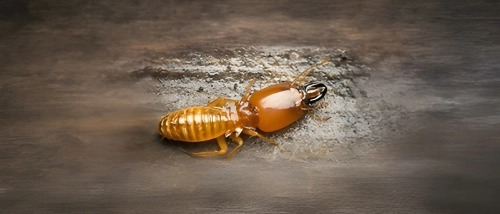
Temps and termites are on the rise. Schedule your free inspection today.

800-837-5520 Call us for a free quote Contact us

How to identify different termite nests

Termites may look small, but the colonies they create are anything but. Each termite species builds its nest in a way that supports the colony’s needs for food, moisture, and protection. Some termite nests are built in the ground, others live inside the very wood they eat, and species in certain regions construct towering termite mounds that last for decades.

Understanding the type of termite nest in your home or yard can help you spot an infestation earlier, which is vital for preventing long-term damage.

What does a termite nest look like?

Depending on the species, termite nests vary both in appearance and in where you are most likely to find them. A termite nest might be buried underground, hidden inside a beam of wood, or even built above ground in the form of a carton or mound. Some are barely noticeable to the eye, while others can grow into massive structures that dominate their surroundings.

Because termite nests are often hidden, you might spot signs of termites, like mud tubes, hollowed wood, or piles of frass, long before you ever see the nest itself.

A subterranean termite nest

Subterranean termite nests

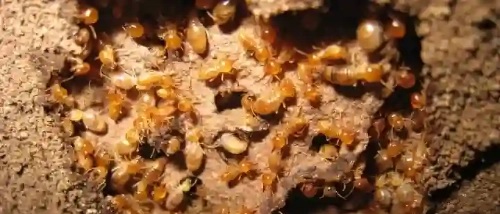
Subterranean termites are the most common and destructive species in the U.S. Their nests are hidden in soil, often between 4 and 18 inches underground, where the environment stays cool and moist.

Inside the nest are chambers, or galleries, connected by mud tunnels. These tunnels also extend above ground, linking the colony to food sources such as structural wood, flooring, or furniture. Because workers can travel hundreds of feet from the main nest, infestations may spread widely before they’re discovered.

While subterranean termites build their nests in the ground,  they can create secondary colonies inside building structures if moisture is available from a leak, plumbing issue, or damp wood. So you could still find a subterranean termite nest in your house
Drywood termites

Drywood termite nests

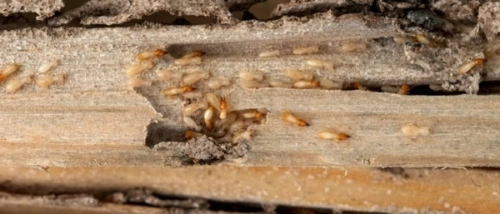
As their name suggests, drywood termites live inside dry wood rather than soil. They carve tunnels and chambers directly within beams, flooring, or furniture. Because they don’t rely on soil contact, drywood termites can remain hidden for years inside homes.

Drywood termite colonies are smaller than subterranean colonies, but they can still cause damage over time. 

Infestations are often noticed only after wood sounds hollow, paint begins to bubble, or small piles of frass (termite droppings) appear near baseboards or furniture.

Dampwood termite nests

Dampwood termite nests

Dampwood termites prefer wood with high moisture content. They’re more likely to be found in decaying logs, water-damaged structures, or areas with poor drainage. 

While they’re less common in homes, they can infest properties with persistent leaks or wood exposed to soil and humidity.

Unlike drywood termites, dampwood termites need consistent moisture to survive. Their presence usually means there’s an underlying problem with water damage that also needs to be fixed.

Formosan termite nests

Formosan termite nests

Formosan termites are a type of subterranean termite, but they’re known for being especially aggressive and destructive. Colonies can contain millions of termites, making them much larger than other U.S. species.

In addition to underground nests, Formosans can build carton nests above ground. These carton nests are made of chewed wood, saliva, and soil, and are often tucked away inside walls or attics where moisture is available.

Because of their sheer size and feeding rate, Formosan termites can compromise a home’s structure faster than almost any other species.

Termite mounds

In tropical regions like Africa and Australia, some termites build massive above-ground mounds. Constructed from mud, saliva, and waste, these mounds act as climate-controlled fortresses that protect colonies from heat and predators. Some mounds reach over 30 feet high.

While you won’t find these giant structures in North America, they highlight just how adaptable termites are as builders.

Termite nest

Termite mound

Why termite nests matter for homeowners

No matter where termites build their nests, one thing is certain: colonies grow larger over time. The bigger the colony, the more wood it consumes and the more costly repairs become. Because termites often nest out of sight, professional inspections are the best way to uncover them before the damage becomes severe.

Protect your home with Ehrlich

Whether you spot a termite nest in your house or yard or want peace of mind, schedule a free inspection with Ehrlich. Your local technicians know how to identify different termite nests, confirm whether termites are active, and recommend tailored treatment options.

Termite resources:

Learn what makes the termite queen the heart of the colony, how to identify her, and why her long lifespan allows colonies to grow so large.

Discover what termite larvae look like, how they develop into workers, soldiers, or reproductives, and why spotting them matters for early detection.

Have a pest problem? From termites to rodents, Ehrlich technicians share expert answers to your most common questions.

Find your local branch

Start living pest-free today with PestFree365+. Ehrlich Pest Control protects your home from 39 different pests for the ultimate peace of mind.