Temps and termites are on the rise. Schedule your free inspection today.

800-837-5520 Call us for a free quote Contact us

Every termite colony starts with eggs. While they may be tiny and easy to miss, the eggs eventually develop into thousands of termites capable of damaging a home. 

Because termite eggs are hidden deep inside nests, most homeowners never see them directly. Still, knowing what they look like and where they’re found can help you understand how infestations grow, and why early detection is so important.

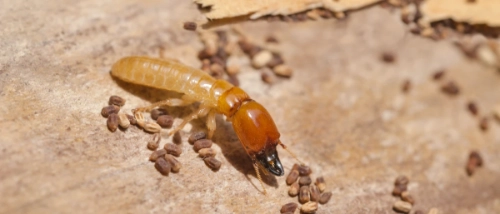
A termite surrounded by eggs

What do termite eggs look like?

Termite eggs are very small, soft, and oval-shaped. They are usually white or pale yellow and resemble tiny grains of rice. Because they’re only about 1 millimeter long, they can be difficult to spot without close inspection.

You’ll rarely see termite eggs because they’re laid and kept deep inside the nest. Subterranean termites place their eggs in soil chambers underground, while drywood termites hide theirs within wood, such as beams, floors, or furniture. 

Workers constantly tend to the eggs, keeping them safe and clean until they hatch into larvae.

Why termite eggs matter to homeowners

Most people will never see termite eggs, but their presence means one thing for sure: a growing colony. Because termite colonies expand quietly and out of sight, damage to wood inside your home can happen long before you notice signs like hollow beams, sagging floors, or discarded wings from swarmers.

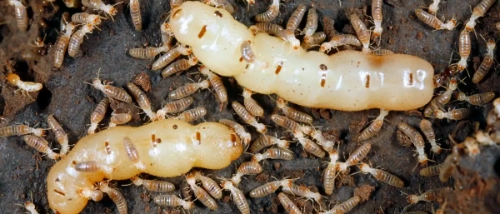
Two termite queens surrounded by worker termites

The role of the queen termite

At the center of every colony is the queen. Her main job is to produce eggs, and she does it at an incredible rate. Depending on the species, a queen may lay thousands of eggs each year, especially in warmer climates where production continues year-round.

In very large colonies, the queen is not alone. Secondary and tertiary reproductives may also lay eggs to keep the population growing. This system helps ensure the colony continues to expand, even if something happens to the primary queen.

From egg to larva

After the queen lays eggs, worker termites carefully move them into incubation chambers inside the nest. They protect the eggs, groom them, and keep them at the right temperature until they hatch.

Within a few weeks, the eggs hatch into larvae, sometimes called “baby termites.” Workers then carry the larvae to nursery chambers, where they feed and groom them until they begin to molt and grow into their roles as workers, soldiers, or future reproductives.

Protect your home with Ehrlich

While termite eggs themselves don’t damage wood, the colonies that hatch from them certainly can. Because termites work quietly and out of sight, regular inspections are the best way to catch infestations before they cause costly structural problems. If you think you may have termites, or just want peace of mind,  schedule a free inspection with your local Ehrlich technician today.

Termite resources:

Learn how termites grow from eggs to mature colony members, how they reproduce, and why their long lifespans make infestations so destructive.

Discover the different types of termite nests, how colonies are organized, and what their hidden structures mean for homeowners.

Have a pest problem? From termites to rodents, Ehrlich technicians share expert answers to your most common questions.

Find your local branch

Start living pest-free today with PestFree365+. Ehrlich Pest Control protects your home from 39 different pests for the ultimate peace of mind.