Temps and termites are on the rise. Schedule your free inspection today.

800-837-5520 Call us for a free quote Contact us

Mosquito vs. no-see-ums: What’s the difference?

Mosquitoes aren't the only biting pests you'll encounter outdoors. Tiny biting midges known as "no-see-ums" are also common in humid and wooded areas and are often confused with mosquitoes because of their similar habits and bites.

Understanding the key differences between these two pests can help you identify what's active around your property and choose the right approach to control them.

Are no-see-ums mosquitoes?

Although they are both biting insects, no-see-ums are not mosquitoes. No-see-ums belong to a group of tiny flies from the family Ceratopogonidae, while mosquitoes are a separate family of insects, Culicidae.

The biggest difference is size: Mosquitoes are usually easy to spot flying around, while no-see-ums are extremely small and may appear almost invisible to the naked eye. Both pests are attracted to body heat, carbon dioxide, moisture, sweat, and humid outdoor conditions.

Because they rely on many of the same environmental cues, they’re often active in similar outdoor spaces. Here’s a summary of the differences:
Size

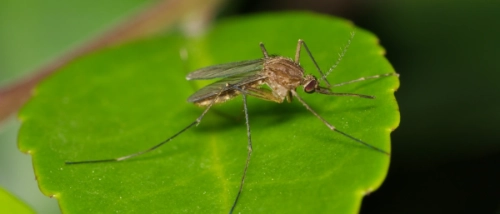
Mosquitoes are typically 3–6 mm long and easy to spot

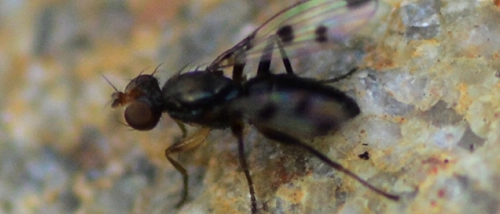
No-see-ums measure just 1–3 mm and can be almost invisible to the naked eye.

Appearance

Mosquitoes have long, slender bodies with visible wings and distinctive long legs.

No-see-ums are stockier and more compact, resembling tiny specks.

Flight

Mosquitoes produce a recognizable buzzing sound in flight.

No-see-ums fly silently and are rarely noticed until after they bite.

Struggling with mosquitoes?

Call now to book your free inspection.

An adult biting midge in close-up, showing its long antennae and patterned wings

Habitat: no-see-ums

Both mosquitoes and no-see-ums thrive in warm, humid environments, but their preferred habitats differ slightly.

No-see-ums are more commonly found near beaches, coastal areas, marshes, wetlands, and wooded areas with damp soil.

A mosquito perched on a green leaf

Habitat: mosquitoes

Mosquitoes are strongly associated with standing water, as they need it to breed. Common breeding sites include blocked gutters, bird baths, plant saucers, puddles and poorly drained areas. Established populations generally require professional mosquito control.

No-see-um bites vs. mosquito bites

While the two bites can appear similar at first glance, there are a few common differences: Mosquito bites are usually larger, more isolated, and slightly raised. No-see-um bites tend to be much smaller, appear in clusters, and often produce more intense itching.

Another clue is location, as no-see-ums are especially common near marshes, beaches, wooded areas, and humid environments. Mosquitoes also thrive in humid outdoor conditions, but are more strongly associated with standing water around homes and yards.

Need help with mosquitoes?

Whether you are dealing with mosquitoes or no-see-ums, these biting pests can quickly make your outdoor spaces unusable. We can help: Call us, or click the button below for a free inspection.

Frequently asked questions

The most obvious difference is size. Mosquitoes are larger and easily visible, while no-see-ums are extremely small and often go unnoticed.

For some people, yes. No-see-um bites are often described as itchier and more irritating than standard mosquito bites, though mosquitoes carry a greater risk of disease transmission.

Yes. Both pests are typically most active during cooler parts of the day, including early morning and evening hours.

See how Ehrlich helps protect your business.

Enjoy protection from 39 of the most common household pests with our annual residential pest control program, PestFree365+.