Temps and termites are on the rise. Schedule your free inspection today.

800-837-5520 Call us for a free quote Contact us

Does a mosquito die after it bites?

Wouldn't it be satisfying if mosquitoes died every time they bit someone? Unfortunately, unlike the honey bee, mosquitoes can keep biting a human host repeatedly. That's part of what makes them such a persistent pest.

Why don't mosquitoes die after biting?

When a honey bee stings you, it's acting in defense of itself or its hive. But its barbed stinger gets lodged in your skin, and pulling away tears it from the bee's body, which is fatal. Mosquitoes work very differently. They feed using a smooth, needle-like mouthpart that slides in and out cleanly, leaving the mosquito completely unharmed. No body part is left behind, and the mosquito flies off intact. The only real risk to a mosquito during a bite is being swatted.
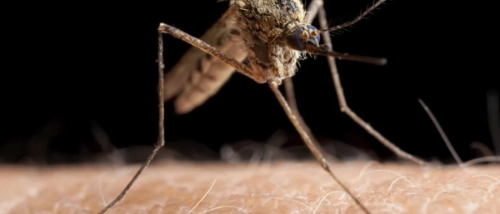
A close-up of a mosquito on human skin

Why do mosquitoes bite?

Mosquitoes bite because they need blood to reproduce. Female mosquitoes need a blood meal to develop their eggs, and without it, most species can't reproduce at all.

Males, by contrast, have no biological need for blood and live on plant nectar – so if you've been bitten by a mosquito before, it’s a female. Male mosquitoes don't bite at all. 

Once the female mosquito has fed, she will rest for a few days while the blood is digested and the eggs develop. Then she'll lay her eggs and go in search of her next blood meal. This cycle continues until she dies.

Struggling with mosquitoes?

Call now to book your free inspection.

How long do mosquitoes live after biting?

Unlike the males, which typically only survive a week or so, the lifespan of a female mosquito after can stretch from a few weeks to a couple of months or longer. 

Warm indoor environments can actually extend a mosquito's lifespan, since they're sheltered from predators and weather. A female mosquito that gets inside your home can continue to feed and lay eggs if conditions allow.

Help protect yourself from mosquito bites

Reducing your exposure to mosquitoes starts with a few practical steps:

  • Remove standing water from your yard, including in plant pots, gutters, and birdbaths
  • Use insect repellent when spending time outdoors, especially at dawn and dusk
  • Wear long sleeves and pants in areas with high mosquito activity
  • Keep windows and doors screened and in good repair.

Need help with mosquitoes?

The above steps can help reduce your risk of mosquito bites, but they won't eliminate a mosquito problem on their own. If mosquitoes are making your life uncomfortable, our mosquito control services can help target the problem at the source.

Frequently asked questions

There's no limit to how many times a mosquito can bite. A female mosquito will keep feeding until she's full. Once she's had enough blood, she'll rest, lay her eggs, and then start the cycle again. 

This means, over the course of her life, she may bite dozens of times across multiple feeding sessions.

Male mosquitoes don't bite. Only female mosquitoes feed on blood, and they don't die after doing so.

A mosquito's lifespan varies by species and sex: Male mosquitoes typically live for around one to two weeks, while females can live for several weeks, especially if conditions are warm and humid.

See how Ehrlich helps protect your business.

Enjoy protection from 39 of the most common household pests with our annual residential pest control program, PestFree365+.