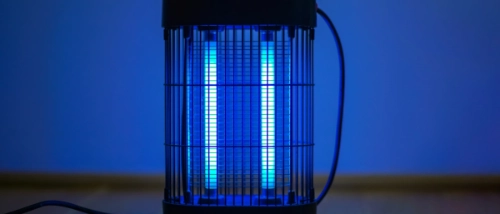
Bug zappers are a staple of summer evenings across the country. The idea behind them is simple: attract insects to the light, and deal with them there. But when it comes to mosquitoes, the science tells a more complicated story.
What the research says
Mosquitoes don't behave like moths. While many flying insects are strongly drawn to light sources, mosquitoes are generally considered to have negative phototaxis, meaning they tend to avoid light rather than seek it out. They are most active from dusk to dawn, and they navigate primarily using chemical and thermal cues, not light.
That said, light isn't completely irrelevant to mosquito behavior. Mosquitoes use ambient light, including moonlight, to help orient themselves at night. When artificial light sources replace that natural reference point, some mosquitoes can become disoriented and move toward the source. However, this is usually a navigational response, not the same kind of attraction that draws moths to a flame.