Temps and termites are on the rise. Schedule your free inspection today.

800-837-5520 Call us for a free quote Contact us

What attracts flies to your property?

The best way to keep flies from infesting your property is to eliminate the factors that make your property attractive to flies. In a short period of time, a fly infestation can quickly escalate and become a major problem. A single house fly can lay up to 500 eggs in a lifetime. 

If you are presently experiencing a fly infestation, we recommend contacting your local Ehrlich office at 800-837-5520 to schedule a free inspection by an Ehrlich technician. Our fly exterminators can survey your property and identify what could be attracting flies.

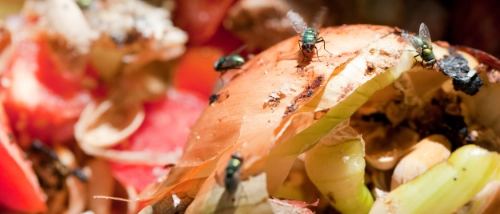
flies on rotting fruit

Where do flies come from?

It can feel like flies appear out of nowhere. One minute, there are no flies, and the next, you're swatting them away. So what attracts flies indoors?

The truth is, flies are always looking for somewhere to land and breed. If there’s something nearby that smells like decaying matter, moisture, or food, they’ll find it – especially when doors or windows are left open, or cracks give them easy access.

 What are flies attracted to?

Knowing what draws flies into the house – and what steps you can take to mitigate these factors – can help keep flies out of your property. Let’s take a look at the main reasons for fly infestations.

  • Heat - Flies are attracted to buildings by the heat that they radiate. Flies will breed faster in environments that are warm. 
  • Light - Light attracts many fly species, including drain flies. This can be exploited by using insect light traps with UV bulbs, which are highly effective at controlling fly infestations.
  • Garbage - Flies are commonly associated with garbage. Garbage provides flies with an ideal breeding habitat, especially in the warm months when food items ferment quickly. Remove your garbage at least twice a week, regularly clean your garbage bins and place all waste in bags.   
  • Dumpsters - The source of many fly infestations in commercial properties is a dumpster. Flies can quickly breed in dirty dumpsters that are overflowing with garbage. Avoid filling your dumpster beyond its capacity and have them regularly cleaned to reduce fly problems. 
  • Dirty drains - Indoor fly problems often start in drains that have built up organic material. It is important to regularly clean your drains to decrease the possibility of a fly problem. For ongoing drain fly issues, we recommend our drain live service - bioremediation.
  • Animal carcasses - Dead animals can cause infestations inside or outside your property. Be sure to examine your yard and garbage area for dead animals like rats and mice so that you can avoid a quickly escalating fly issue. 
  • Bird droppings - Some common fly species prefer to breed in bird drippings. If your property is experiencing infestation of common pest birds like pigeons, a bird management program may be warranted.  
  • Damaged food/products - Issues with flies are often linked to damaged products, especially food products. This is a major concern for food processing facilities and other highly audited properties.

Need help keeping flies away?

If you're dealing with flies and are unsure where they're coming from, we can help. Our technicians know what attracts flies into the house and can pinpoint the source of the issue. From there, we’ll create a tailored treatment plan to help manage the infestation and reduce the risk of them returning.

Frequently asked questions

Flies are mostly attracted to rotting food, garbage, animal waste, and dirty drains. They’re also drawn to moisture, light, and heat, especially around buildings.

Flies are drawn to these environments because they offer ideal conditions for feeding and breeding. Decomposing organic materials emit odors that signal a suitable site for laying eggs, while moisture provides an ideal environment for larval development.

Yes, heat does attract flies. Flies are thermotropic insects, meaning they are drawn to warmth. Warm environments provide ideal conditions for flight and accelerate their breeding cycles. Fly eggs hatch faster in warmer temperatures, especially around 75°F or higher. These conditions help the larvae grow and give adult flies the energy to stay in the air longer.

Yes, strong smells from rotting food, decay, and waste often attract flies indoors. Keeping bins closed and surfaces clean helps reduce the risk of a fly infestation.

A sudden spike can mean something nearby attracts them, like garbage, a dead animal, or standing water. Learn more about the signs of a fly infestation to help you spot the source.

Yes, fly activity increases during warmer months. Heat boosts their breeding speed, which can quickly lead to a larger problem. To learn how flies multiply so quickly, take a look at our page on the life cycle of flies.

Yes, particularly for drain flies. Moist, damp areas combined with organic buildup are ideal breeding spots. Regular drain cleaning can help with fly control.

Flies use their sense of smell to locate food. Once they detect it, they land quickly to feed or lay eggs, potentially leading to food contamination.

Find your local branch

Are seeing flies in your home during the late fall and winter? Those might be cluster flies.