Temps and termites are on the rise. Schedule your free inspection today.

800-837-5520 Call us for a free quote Contact us

What do flies eat and drink?

Understanding what flies eat is one way to prevent a fly infestation. What attract flies? Flies are attracted to organic decaying material. The most common flies home and business owners have issues with are house flies, fruit flies, blow/bottle flies. 

It’s important to know what flies like to eat so you can remove conditions that are conducive to fly infestations. By properly storing and disposing of food and cleaning the areas where food is consumed or prepared, you can greatly reduce the likelihood and severity of a fly infestation. It’s a simple step that makes a big difference.

If you’ve spotted flies in your home and need help eradicating them, contact Ehrlich Pest Control at 800-837-5520 or contact us.

Feeding habits of flies

Adult flies feed and harvest their larvae on organic decaying material. This includes fruit, vegetables, meat, animal, plant secretions and animal feces. Both male and female flies suck nectar from flowers as well. 

Flies are most active when it is warm, for this is when their larvae are most likely to hatch. They are attracted to buildings because of the heat and odors they may emit. Below, we explore some of the common fly species found in homes and what they like to eat.

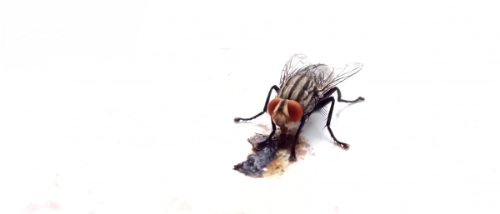
A house fly feeding on an unknown substance from a white table

What do house flies eat?

House flies are general feeders, which means they will eat everything from food to animal and human fecal matter. 

Because of their sponging mouths, they only feed on liquids, which means they must liquefy food through regurgitation. They are attracted to a variety of substances such as:

  • Overripe fruit and vegetables
  • Animal feces 
  • Sugary substances
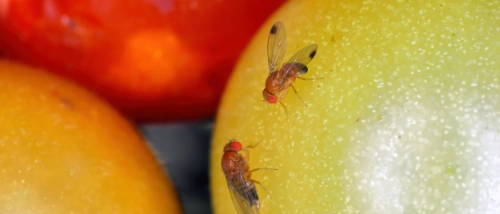
Fruit flies on a tomato

What do fruit flies eat?

Fruit flies are attracted to fermented food and liquid sources, which is why they are so common in homes and the food industry. Fruit flies search for foods such as: 

  • Liquids: beer, wine, cider, vinegar 
  • Fruits such as bananas, grapes, peaches, pineapples, tomatoes, mustard pickles, potatoes, onions, etc. 
  • Sugary substances, like candy

If you're dealing with a persistent fruit fly problem, our fruit fly exterminator can help eliminate these pests by targeting their breeding grounds and food sources. Contact us now to get started.

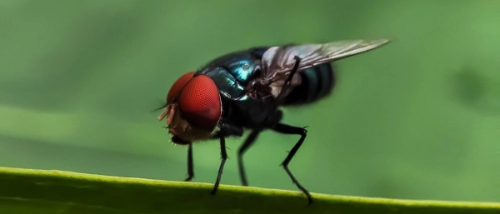
A blowfly on leaf

What do blow flies eat?

Blow/bottle flies are fairly large flies with a metallic blue, green, bronze, or black sheen. They are infamously known for burrowing themselves into their food, which is where they develop. They are usually the first insects to arrive after an animal dies. These flies prefer: 

  • Fresh or decaying meat
  • Animal carcasses 

For more information on how to get rid of flies, here are some tips on how to keep flies away from your home or business.

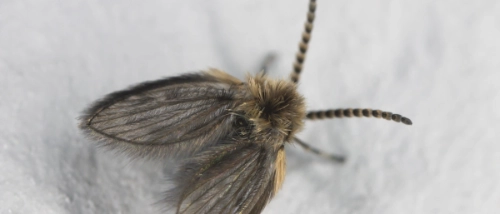
A close-up of a drain fly on white wall

What do drain flies eat?

Drain flies, also known as moth flies, thrive in damp areas with slow-moving or standing water. They feed and breed in the organic buildup found inside drains, pipes, and overflows. Drain flies are especially attracted to:

  • Decaying organic matter in sink and shower drains
  • Gelatinous sludge in p-traps
  • Waste in floor drains, septic tanks, and sewage systems

Their larvae develop directly in the gunk that lines these areas. If you see small, fuzzy-looking flies near sinks or tubs, it’s a good sign that you’ve got a buildup in your plumbing. While keeping drains clean can help, these flies often return unless the root cause is addressed.
Prevent flies with Ehrlich

Ehrlich's pest control technicians can help to spot any signs of a fly infestation and prevent future ones in your property. Take control of your pest issues by calling 855-579-2446 or contact us online.

Frequently asked questions

Flies have sponging or piercing mouthparts, depending on the species. Most dissolve solids using saliva before feeding on the liquid.

Yes. Flies have taste receptors on their feet, allowing them to detect food as soon as they land.

Fruit flies feed on the surface of overripe or rotting fruit, especially when it's fermenting. The skin provides both food and a place to lay eggs.

Yes. Flies can survive on even tiny traces of food or residue left on dishes, counters, or trash.

Yes, flies can pick up germs from dirty food sources and transfer them to surfaces or food through contact. This is why fly infestations can be a health concern.

Find your local branch

Are seeing flies in your home during the late fall and winter? Those might be cluster flies.