© 2026 Rentokil Initial plc and subject to the conditions in the legal statement.
Quick overview
- Rodent activity data from nearly 650,000 commercial services shows pressure is now year-round.
- The Northeast rose 4.5% in 2025, led by Maine, Rhode Island, and Massachusetts.
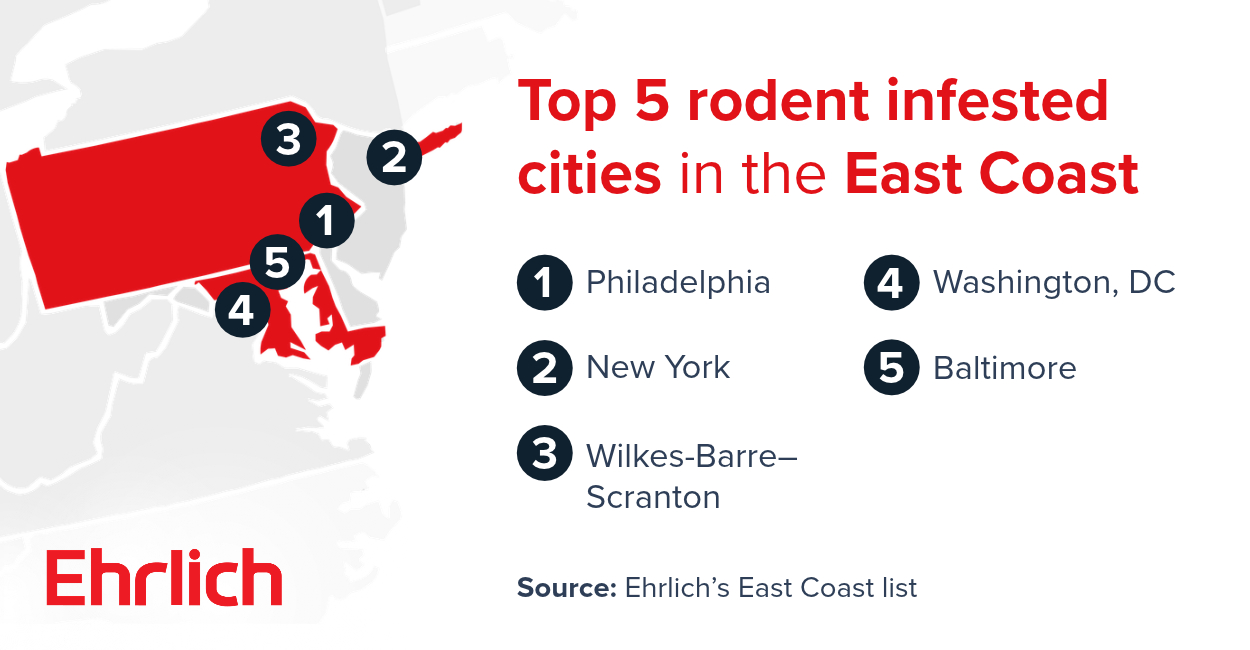
- Pennsylvania ranks number one nationally, with New York fourth and Maryland fifth.
- Stricter trash and rodenticide rules are raising the bar for facilities.
- Connected 24/7 monitoring catches problems early and cuts rodenticide use by up to 60%.
If you manage a commercial facility, rodent activity trends across the US in 2026 belong on your radar. New data from Rentokil’s 2025 State of the Rodent Report, drawn from nearly 650,000 commercial pest control services, shows a clear pattern: rodent pressure is no longer a winter-only problem, and the Northeast is one of the regions feeling it most. For facilities managers in pharma, healthcare, hospitality, and food production, that shift changes how you plan, budget, and protect your site.
Here is what the numbers say, and what they mean for your building.
Rodent pressure is going year-round
National rodent service activity dipped slightly in 2025, down less than 5% compared to 2024. But the small dip is not the story. The timing is. Rodent problems used to spike in colder months as mice and rats moved indoors. Now the peak is shifting toward spring and summer, when rodents breed most actively.
For your facility, that shift changes the whole picture. Rodent risk is now a 12-month issue rather than a seasonal one, and the peak breeding months, roughly June through September in the Northeast, deserve extra attention. A "set it and forget it" winter approach leaves gaps the rest of the year, precisely when populations are building.
Warmer, shorter winters also play a part. Milder conditions let rodents stay active longer and produce more litters, so populations build faster than many facilities expect.

The Northeast is a rodent hot spot
The Northeast recorded a 4.5% rise in rodent activity in 2025 versus the prior year, with August the busiest month. Several states in Ehrlich's service area climbed faster still:
- Maine: up 31.12%
- Rhode Island: up 12.12%
- Massachusetts: up 8.03%
- New Jersey: up 6.48%
The region also leads the national picture. Pennsylvania ranked as the number one state for rodent activity in the country, with New York at number four and Maryland at number five. If you run a site in the Mid-Atlantic or New England, you operate in one of the highest-pressure rodent markets in the US. Aging urban buildings, dense city centers, and busy food and hospitality corridors all give rodents easy access to food, water, and shelter.
New rules are changing how facilities respond
Cities across the Northeast are tightening sanitation rules. New York, Boston, and Philadelphia have all rolled out rodent-proof trash requirements to cut off the food sources that fuel infestations.
At the same time, rodenticide rules are getting stricter. Connecticut has reclassified second-generation anticoagulant rodenticides as Restricted Use Pesticides in January 2026, and similar proposals are moving through New York, Vermont, and Massachusetts.
For facilities managers, the takeaway is simple. The tools and paperwork behind your rodent program face more scrutiny than ever. Clear documentation, targeted treatments, and reduced reliance on poisons are becoming the standard, especially in regulated environments like food processing and healthcare.
What this means for your facility
Put the trends together and a pattern emerges. Rodent pressure is steady to rising in the Northeast, it now lasts all year, and the rules around control keep tightening. Traditional pest control built around scheduled visits every few weeks can leave long stretches where no one is watching. That gap matters most in facilities where a single sighting can trigger an audit finding, a failed inspection, or a damaged reputation.
The facilities staying ahead are the ones moving toward continuous monitoring. Connected rodent monitoring uses smart devices to track activity 24/7, send real-time alerts, and build a digital record that supports compliance. Instead of learning about a problem at the next scheduled visit, you know the moment activity starts. That approach also supports a lower-poison strategy, which matters as more states restrict rodenticide use. Connected monitoring has been shown to reduce rodenticide use by up to 60% by catching issues earlier.
Stay ahead of rodent pressure with PestConnect
Ehrlich has protected businesses across the eastern US for nearly 100 years, and PestConnect brings that experience into the digital age. Our connected devices monitor your facility around the clock, flag rodent activity in real time, and generate the reports you need for audits and inspections through PestNetOnline.
To see how continuous monitoring fits your site, request a free inspection with your local Ehrlich team.
Schedule your free pest inspection today
Get peace of mind knowing your home or business is protected. Our technicians will assess your property and recommend customized solutions.
Book your free pest inspection today
Our local technicians will assess your property and recommend tailored solutions. Fast, friendly, and completely obligation-free.
- Targeted treatments, applied safely
- Local experts, fast response
- Trusted, trained technicians