© 2026 Rentokil Initial plc and subject to the conditions in the legal statement.
Quick overview
- Rodenticide regulations are tightening across many states.
- Second-generation baits face the most new restrictions.
- Rules vary by state, so multi-site operators face a patchwork.
- Chemicals harm hawks, owls, and other wildlife.
- Prevention and monitoring matter more as baiting narrows.
If your business has relied on putting down bait to handle rodents, the ground is shifting under you. Rodenticide regulations are tightening across a growing number of states, and the products commercial operators have leaned on for years are getting harder to buy and use. This is not one law in one state. It is a wave of new rules moving through legislatures, each a little different. This guide walks through what is driving the change, where it is already happening, and what it means for how commercial businesses handle rodent control going forward.
What is actually changing
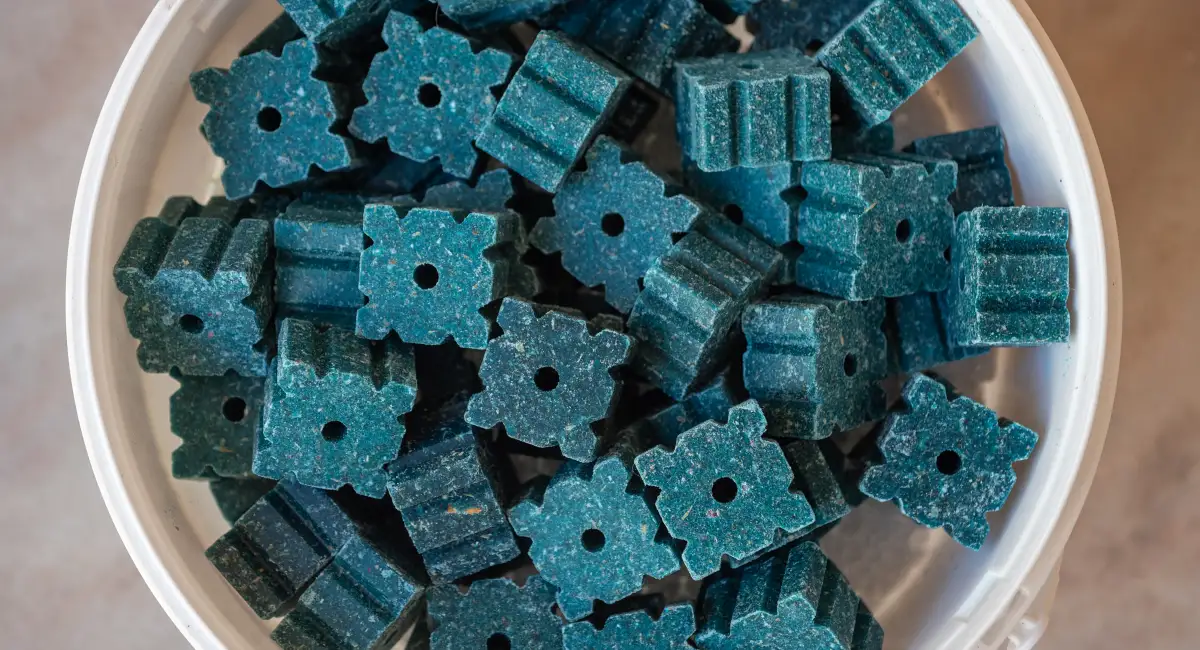
Most of the new rules target one group of products: second-generation anticoagulant rodenticides, or SGARs. These are the potent baits developed to handle rodents that shrugged off older poisons. The problem is that they linger in a rodent's body, so the hawks, owls, and foxes that eat those rodents get poisoned too.
The federal picture sets the floor. The EPA already pulled SGARs from consumer shelves, leaving them for commercial and structural work only. States are now building on top of that, and several are going much further.
Where it is already happening
The trend runs right through the US, and a few examples show how uneven the map has become.
- Connecticut: Starting January 1, 2026, SGARs became restricted use, so they can only be applied by or under a certified applicator. The state legislature has pushed multiple bills to tighten this even further.
- California: Both first- and second-generation baits are already restricted use, with narrow exceptions for food plants, warehouses, and certain regulated sites.
- New York: Anticoagulant baits above a set strength require a permit to buy, sell, or use.
- Massachusetts, Maine, and Rhode Island: Each has proposed bills that would limit or ban anticoagulant baits, some allowing them only for public health emergencies.
The details differ, but the direction does not. Access to these products is narrowing.
The multi-site headache
For a single location, keeping up is manageable. For a business running sites across several states, it turns into a patchwork. What a certified applicator can apply in one state may be off-limits a few miles over the border. Your program cannot assume one approach works everywhere, and a compliance gap at one location can put the whole brand at risk.
Why this pushes toward prevention
Here is the practical takeaway. As baiting gets more restricted, you cannot treat your way out of a rodent problem the way you once could. The regulatory answer and the smart operational answer point the same direction: stop rodents before they establish, and lean less on chemicals to clean up after them.
That is the heart of integrated pest management, an approach regulators increasingly expect. It puts the emphasis on exclusion, sanitation, and knowing what is happening on your property, with baiting used sparingly and only where it belongs. The businesses that adapt early will not feel the squeeze when the next bill passes.
Seeing activity without relying on poison
If you are using less bait, you need something else doing the watching. This is where continuous monitoring changes the equation. Instead of scattering product and hoping it works, monitoring devices track where rodents actually are and flag activity the moment it starts. You get to act on real information, target your response, and keep chemical use to a minimum, which is exactly what the new rules reward. It also gives you a documented record of how your program works, which matters when regulations and inspections come knocking.
Stay ahead of the rules with connected monitoring
As rodenticide regulations tighten across the states you operate in, the businesses that come out ahead are the ones watching closely and treating lightly. Ehrlich's PestConnect monitors rodent activity around the clock, alerts your local Ehrlich team the moment a device is triggered, and reduces reliance on rodenticides by focusing action where activity is real. Backed by more than a decade in the field, it helps you stay compliant across a shifting regulatory map while keeping your sites protected.
Get in touch to request a free inspection and talk through how connected monitoring fits your locations.
Schedule your free pest inspection today
Get peace of mind knowing your home or business is protected. Our technicians will assess your property and recommend customized solutions.
Book your free pest inspection today
Our local technicians will assess your property and recommend tailored solutions. Fast, friendly, and completely obligation-free.
- Targeted treatments, applied safely
- Local experts, fast response
- Trusted, trained technicians