800-837-5520 Call us for a free quote Contact us

How to get rid of wasps

The most effective way to get rid of wasps or hornets is to treat the main cause of the problem – the nest. Removing a nest can be very dangerous as wasps inside the nest will feel threatened and often become aggressive. This could cause them to sting you and others as they defend their nest and young.

For effective wasp control, you do not need to remove the nest right away, but you do need to treat it and the nesting wasps. To reduce the risk of wasp stings to you and your family, call Ehrlich for treatment. Our effective treatments and solutions will eliminate the wasps and keep you safe from the threat of stings.

Quick facts about wasps

  • Wasps are attracted to proteins, sugary foods, standing water, and bright-colored flowers
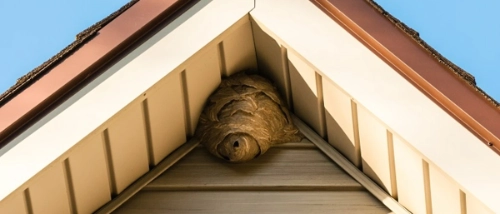
  • Wasps build nests in wall cracks, crevices, and insulated spaces around your home
  • Plants like lemongrass, spearmint, and thyme can naturally help repel wasps from your yard
  • A mature wasp nest can contain thousands of wasps, making DIY removal highly dangerous

What attracts wasps?

Did you know that there may be locations on the outside of your house and items in your yard that actually attract wasps? Knowing what attracts wasps and what you can do to prevent them will help you eliminate future wasp problems.


How to get rid of wasps in the house

Wasps are looking for shelter, so one of the main reasons they may be attracted to your home is because they found somewhere they feel safe. Any insulated walls, cracks, or crevices make the perfect place for a wasp to build its nest. In the colder months, a queen wasp will look for a warm, safe spot to hibernate, and any opening in your home will do the trick.

Sealing off any wasp entry/nesting points in your home is the best solution to stop wasps from building nests on your property. Check your house for any torn screens, openings near vents, or cracks around shutters, window frames, or doors, as these are all places where wasps will try to get in and build a nest.

Getting rid of wasps in the yard

While a few wasps buzzing around aren't usually cause for alarm, an active nest close to where you spend time outdoors is worth taking seriously. Before you can keep wasps away, it helps to know what's drawing them in, so here's a look at some common wasp attractants.

Food and flowers

Food and flowers

Wasps love foods with proteins, especially leftovers, which is why you usually see them hanging around your grill or by your outdoor garbage can. Wasps are also attracted to sweet foods like fruit and soda or anything that is high in sugar. Keeping meats and sugary foods and drinks covered completely or inside your house will attract fewer wasps to your property.

A garden with floral landscaping around your home can also attract wasps as they love bright-colored flowers. Wasps are attracted to flowers for two reasons: food and smell. They like their nectar for food, and they love the fragrance of flowers - which is why if you’re wearing a floral perfume, wasps might come after you. Avoid planting a lot of bright-colored flowers in your garden to help eliminate wasps on your property.

Food and flowers

Water sources

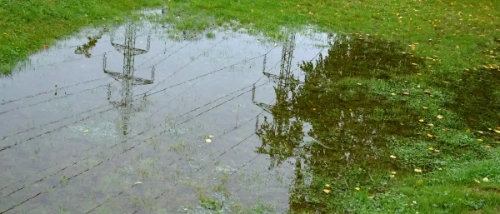
Wasps, like most insects, need water to survive. Standing water in bird baths, pet bowls, clogged gutters, or even small puddles in your yard can draw wasps to your property. Regularly emptying or cleaning water sources can help deter them.

Food and flowers

Insect activity

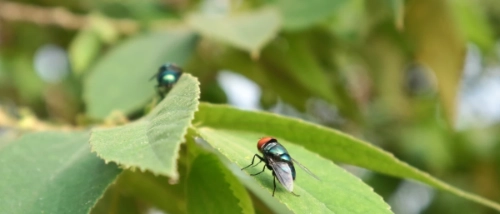
Wasps are natural predators and often hunt other insects, such as flies, caterpillars, and spiders. If your property has a high concentration of other pests, wasps may be drawn to the area for hunting. Keeping other pest populations in check can indirectly reduce wasp activity.

Food and flowers

Hummingbird feeders

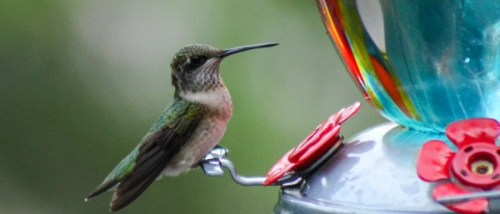
Hummingbird feeders filled with sugary solutions can attract wasps. Consider using feeders with wasp guards or placing them away from commonly used areas of your yard.

Addressing these common attractants and the original points outlined will help create a comprehensive plan for preventing wasps from becoming a nuisance around your home.

Seeing wasps?

Call now to book your free inspection.

How to get rid of wasps naturally

If you're dealing with a wasp infestation, we don't recommend a natural prevention approach, as nests can be tricky and even risky to handle safely on your own. 

But if you're just looking to help prevent wasps from settling in, there are a few small hacks worth trying. Keep in mind that wasps tend to build nests outdoors in hard-to-reach spots, so it can be difficult to keep them fully contained.

Lemongrass

Plants

Planting wasp-repelling plants in your yard or around your patio is a great way to naturally reduce the amount of wasps in your yard. Wasps hate the smell of citronella, spearmint, lemongrass, eucalyptus, and thyme, so having these types of plants around your outdoor sitting areas is a great option to try and keep wasps away.

Peppermint oil

Peppermint oil

Peppermint oil has also been known to be a great natural wasp repellent because wasps don’t like strong-smelling herbs like mint. It is recommended to mix a little peppermint oil with water and a little dish soap in a spray bottle. Spray the mixture on areas of your home where wasps like to nest, like eaves, porch ceilings, siding, shutters, and overhangs, and this should help prevent wasps from building nests in those areas.

Peppermint oil

Vinegar

Vinegar is another scent that wasps tend to steer clear of. Fill a spray bottle with equal parts white vinegar and water, then apply it around eaves, porch ceilings, siding, and other areas where wasps like to build nests. Reapplying every few days, especially after rain, might help keep the scent strong enough to discourage wasps from settling in.

While these small hacks may help reduce wasp activity, they're no substitute for professional care, especially if a nest is already established. Our technicians know how to identify wasp species and treat nests safely, without the guesswork or risk that comes with DIY methods. 

How to get rid of wasps when you can't find the nest

Sometimes you'll notice wasps buzzing around your yard or patio, but can't pinpoint where they're actually nesting. This isn't unusual; wasps can build nests in hidden spots like wall voids, attics, underground burrows, or dense shrubs, making them tough to spot. Trying to treat a problem you can't see is one of the trickiest parts of dealing with wasps on your own.

This is where bringing in a professional makes the most sense. Our wasp control technicians are trained to identify signs of a hidden nest and know where wasps commonly hide, so you're not left guessing or putting yourself at risk trying to find it yourself.

The best way to get rid of wasps

A wasp nest is no easy task to handle on your own. A mature wasp nest found in late summer will almost certainly require professional treatment due to the high risk of wasp stings. By this stage, a nest may contain thousands of individual wasps. That’s where we come in.

Ehrlich's wasp nest removal

At Ehrlich, our technicians use the proper equipment and wear protective gear to keep them safe from stings. Depending on where the nest is located and the type of wasp or hornet, your technician will apply a treatment of aerosols, dusts, and liquids to the nest. Once the colony has been eliminated, your technician will remove the nest completely so a new colony of wasps or hornets does not use it in the future. Your Ehrlich technician will ensure no one is nearby while the nest is being treated to eliminate the possibility of stings.

Peppermint oil

Ehrlich's wasp nest treatment

Many wasps, including yellowjackets, frequently construct their nests below ground, making them difficult to treat. Sometimes nests are below concrete slabs or piles of rock or vegetation. It can be difficult to treat the nest in these instances and activity will continue despite your repeated attempts at control.

Our qualified technicians have the expertise to identify the wasp species and will wear special protective gear to keep safe during treatment. All nest treatments are customized to ensure effective control of the wasp or hornet nest, based on its location.

Your technician will offer expert advice to help prevent wasps and wasp nests in the future. For peace of mind, your technician can return to remove the nest from your property if needed to allow complete treatment of the whole wasp colony. However, removing a nest may not be possible if it's within a cavity wall or similar enclosed location.

Can pest control truly get rid of wasps?

Yes, professional pest control can significantly reduce wasp activity and treat active nests. Our technicians know how to identify the species involved, locate nests in hard-to-reach spots, and apply treatment with minimal risk to you or your family.

Frequently asked questions

The fastest and safest way to eliminate a wasp infestation is by seeking professional pest control services. Attempting to handle wasps or their nests on your own can be dangerous, especially if the nest is difficult to locate or in a hard-to-reach area. Our trained professionals have the expertise, tools, and protective equipment to quickly and effectively remove wasps and their nests from your property.

Trust Ehrlich to handle the problem. We provide thorough inspections, targeted treatments, and preventive solutions to keep wasps from returning.

Natural repellents such as peppermint oil and wasp-repelling plants like citronella, lemongrass, and eucalyptus are effective ways to deter wasps. Strong scents like vinegar may also repel wasps. These methods are most effective as preventative measures and may not work for an established wasp infestation.

Wasps nesting in an attic are best left to a professional. Attics are tight, hard-to-access spaces, and disturbing a nest yourself can trigger an attack. An Ehrlich technician will identify the wasp species, then apply a targeted treatment directly to the nest before removing it.

Find your local branch

Start living pest-free today with PestFree365+. Ehrlich Pest Control protects your home from 39 different pests for the ultimate peace of mind.