© 2026 Rentokil Initial plc and subject to the conditions in the legal statement.
Updated on: October 22, 2026
Quick overview
- Most wasps die each winter; only young, mated queens survive to start new colonies.
- Surviving queens shelter in bark, woodpiles, siding gaps, or attics until spring arrives.
- Wasps can't fly below roughly 50°F, so cold keeps them mostly still and hidden.
- Indoor winter wasps usually mean an overwintering queen or a brief warm-weather wake-up.
- Our technicians locate nests and overwintering spots to solve wasp problems at the source.
The weather will begin to warm up soon, but if you haven’t spotted a wasp yet, that begs the question – where do wasps go in winter? Are they still in their nests, keeping warm and cozy like honey bees in a hive or have they migrated south with birds in search of food, sunshine, sandy beaches and sticky, sweet cocktails? And even more importantly, when are wasps most active? We’ll answer these questions here.
If you’re having wasp problems at any time of year, our wasp control services can help.
What do wasps do in the winter?
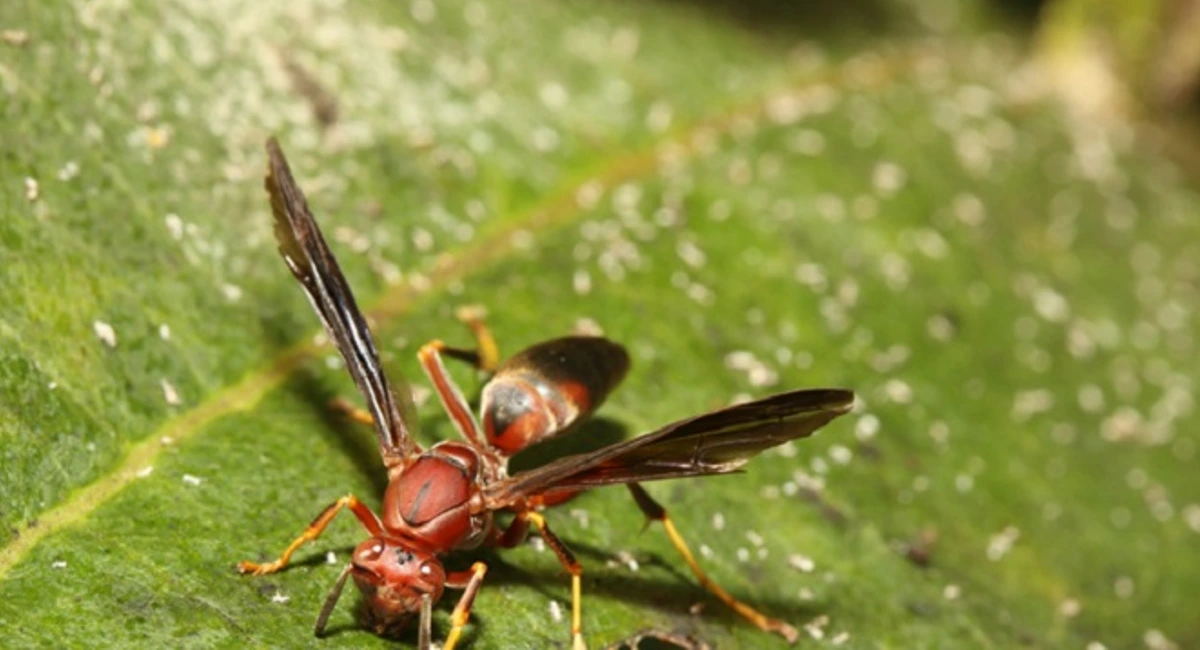
As winter starts drawing to a close, you may wonder: How do wasps survive the winter? Well, actually, many of them don’t. When the first frost comes, most of the wasps in the colony die except for female wasps that are going to become queen wasps. You might be happy to learn that’s the case, but should you be concerned about random wasps in winter that do pop up at your home or business? It's worth noting that wasps prey and feed on insects, which makes them beneficial for controlling certain pests during warmer months. However, their presence indoors in winter could indicate a hidden nest or an overwintering queen.
During winter, wasps like yellowjackets and paper wasps hide in undisturbed locations such as attics. If warm weather crops up during the winter, you may see a wasp in your home, such as a paper wasp creeping on the floor. In instances like this, don’t get too worried about it being a life or death situation. Still, be wary that a wasp might create a nest on your property when it becomes warmer and you should stay alert.
Yellowjackets
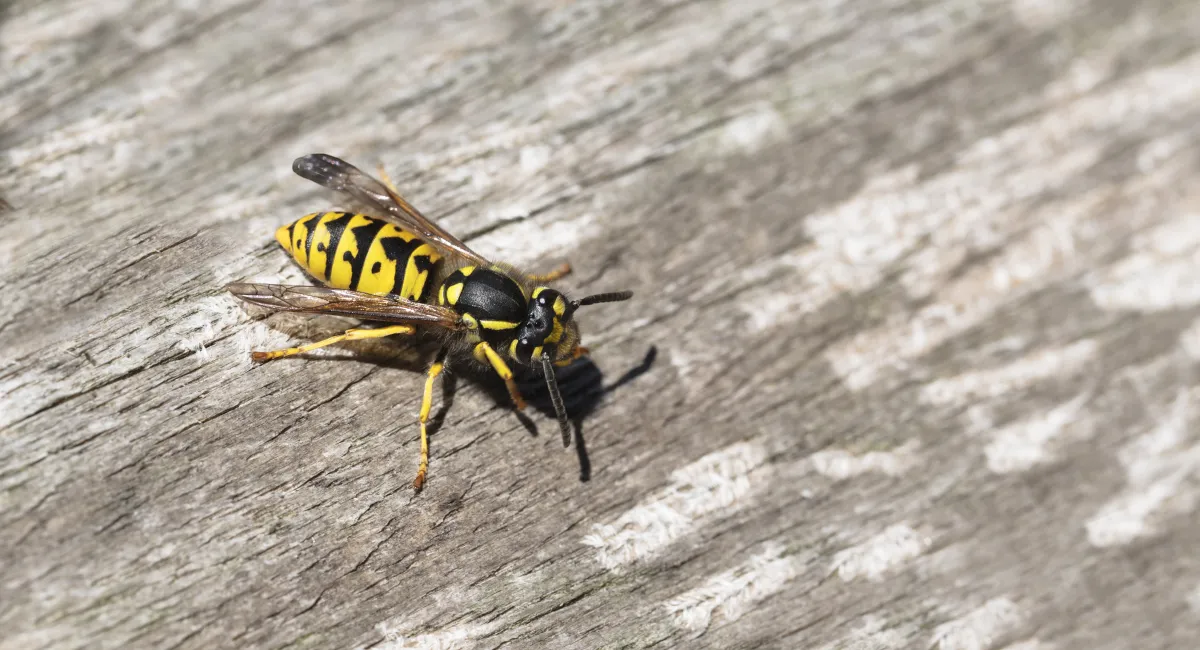
Yellowjackets are easy to spot thanks to their bold yellow and black striped abdomens, with queens reaching around 3/5 of an inch long. They typically nest underground or inside wall voids, and like most social wasps, the colony dies out each year aside from a handful of mated queens.
Paper wasps
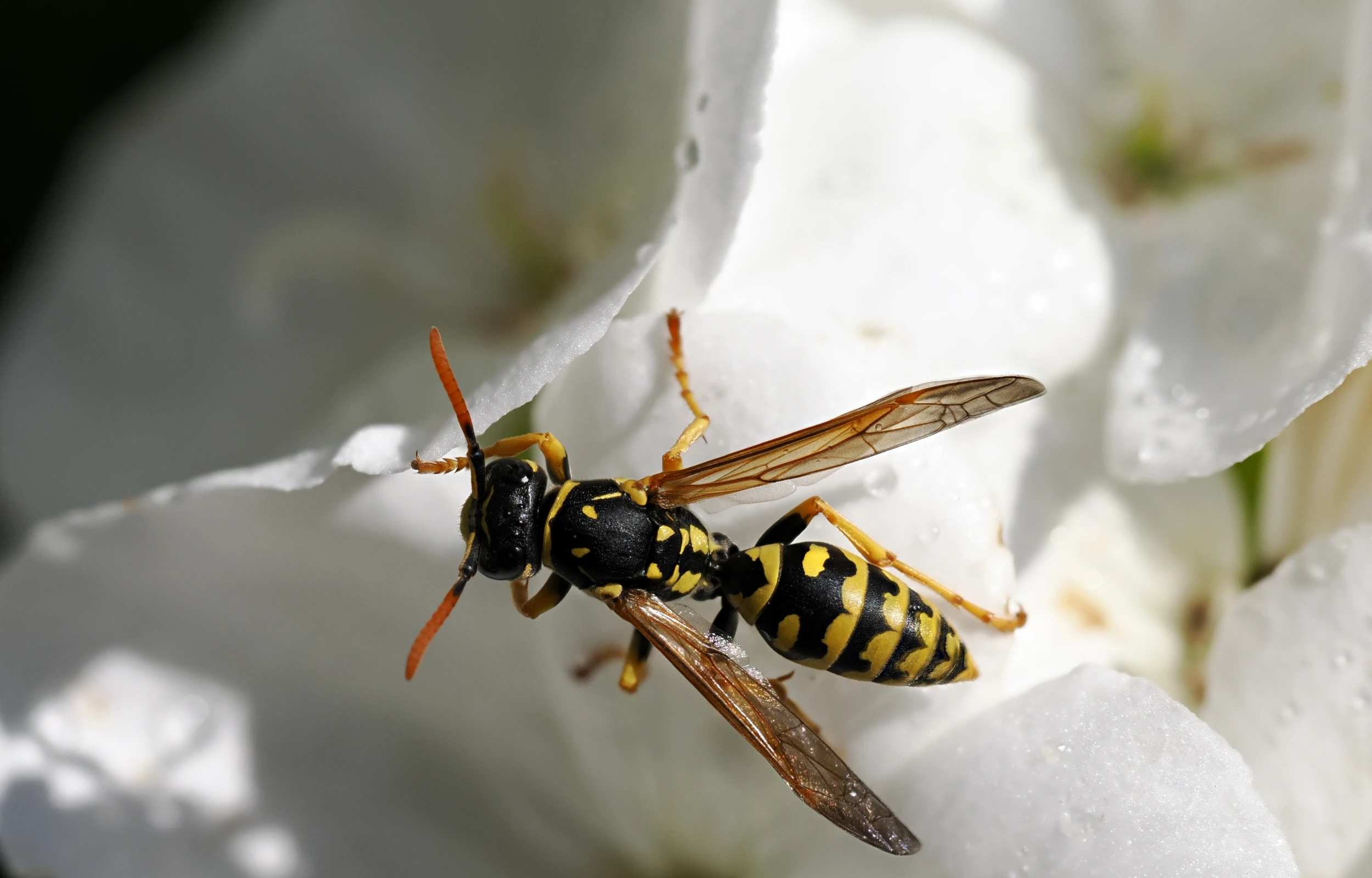
Paper wasps are brownish with yellow markings, measuring roughly 5/8 to 3/4 of an inch long. Their open, umbrella-shaped nests get abandoned once the cold sets in, and it's only the fertilized queens who move on to start something new the following year. Species vary by region, but the pattern holds across the board: the colony fades, and next spring rests entirely on a few surviving queens.
How do wasps survive in winter?
Survival for a wasp comes down to a process called diapause, which is essentially nature's way of hitting pause. A mated queen tucks herself into a tight, sheltered spot (loose bark, a woodpile, gaps in siding, or an attic) where conditions stay a little more stable than out in the open. Her metabolism slows right down, and she stays largely still until the weather warms enough to stir her back into action.
Shelter matters more than most people realize. Without a decent hiding spot, a queen is exposed to sustained freezing temperatures that can be fatal, which is a big part of why so few wasps make it through to spring.
Do wasps hibernate in winter?
Not in the true biological sense, but it's a fair comparison to make. The diapause that overwintering queens experience is closer to a deep slowdown than actual hibernation, which explains why wasps in winter occasionally show up indoors during an unseasonably warm spell, only to vanish again once temperatures drop back down.
What do wasps eat in winter?
In winter, wasps eat barely anything, if at all. An overwintering queen is running on fat reserves it built up back in late summer and fall, not actively hunting for food. That's a sharp contrast to its behavior earlier in the year, when wasps are surprisingly useful to have around, preying on other insects and helping keep certain pest populations in check.

Can wasps fly in the cold?
Wasps can fly in the cold, but not very well. Wasps are cold-blooded, so flight depends heavily on the temperature around them. Once it drops below roughly 50°F, most wasps turn sluggish and struggle to get airborne at all, which is one more reason overwintering queens would rather sit tight than risk moving around.
If wasps die in winter, how do they come back in spring?
It all comes down to those few surviving queens. As soon as the weather warms up, a queen emerges from wherever she's been hiding, feeds to rebuild her energy, and sets off to find a new nesting site. She builds a small starter nest by hand and lays the first round of eggs herself, and once those hatch into worker wasps, they take over building, foraging, and defending the colony from there.
Why am I finding wasps in my house in winter?
Wasps found in your house during winter are typically queen wasps that entered your home in autumn to hibernate. On milder winter days, rising indoor temperatures can trick them into thinking spring has arrived, causing them to wake up and become active, which is when you'll notice them buzzing around windows or lights. Indoor heating can have a similar effect. They're usually quite docile and sluggish in this state.
We are wasp experts
At Ehrlich, we understand seeing a wasp can be scary and we will work with you to eliminate wasps from your home or business. Ehrlich wasp exterminators can treat wasp nests so your concerns will be alleviated.
Book your free pest inspection today
Our local technicians will assess your property and recommend tailored solutions. Fast, friendly, and completely obligation-free.
- Safe, targeted treatments
- Local experts, fast response
- Trusted, trained technicians