Temps and termites are on the rise. Schedule your free inspection today.

800-837-5520 Call us for a free quote Contact us

Common tick species in the Eastern U.S.

There are two types of ticks, soft ticks and hard ticks, but you should be most concerned about hard ticks because they feed on humans, pets, and rodents. The American dog tick, blacklegged tick, and brown dog tick are a few of the most common ticks Ehrlich pest technicians are asked to eradicate. Taking preventative measures can help reduce the risk of ticks in your home and yard. For more information, please see our tick control services page.

Learn how to identify these common tick species with the information below:

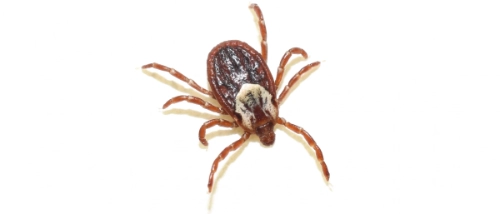
An American dog tick on white background

American dog tick

(Dermacentor variabilis)

The American dog tick is one of the most common tick species found in grassy or wooded areas across the Eastern U.S. Recognizable by its brown body and grayish-white spots, this kind of tick measures around 5 mm but can grow to about 15 mm after feeding. It doesn’t survive well indoors but is known to spread diseases including Rocky Mountain spotted fever. Adults can pick up and pass along illnesses after feeding on mammals such as rodents.

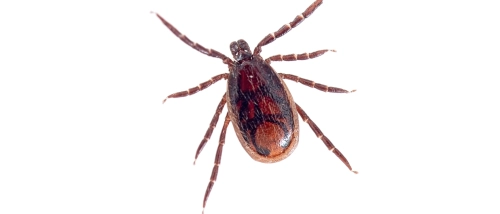
A brown dog tick on a white background

Brown dog tick

(Rhipicephalus sanguineus)

The brown dog tick can live and reproduce indoors and is found in homes more often than other species. These reddish-brown ticks turn bluish-gray after feeding and prefer dogs as their primary host. A female can lay thousands of eggs from just one meal, and adults may survive for months without another blood meal. Because this type of tick species can be so persistent, professional treatment is often needed to get rid of an infestation.

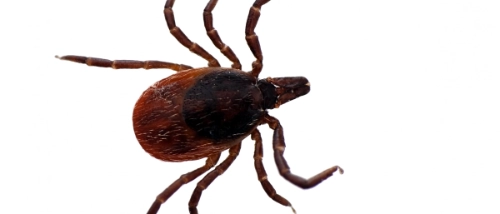
A deer tick on a white background

Deer tick

(Ixodes scapularis)

The deer tick, also known as the blacklegged tick, is a small, orange-brown parasite with dark legs that feeds on the blood of mammals, birds, and reptiles. This tick species is known to transmit Lyme disease and requires a blood meal at every stage of its life cycle. Females can lay up to 3,000 eggs, and their two-year life cycle means they can remain active in the environment for long periods, making prevention and monitoring especially important.

Frequently asked questions

No. While all stages of ticks feed on blood, only nymphs and adult ticks are likely to transmit illness. Tick larvae hatch without infection but can pick up pathogens after feeding on an infected animal. The risk of infection from larvae is low.

It depends on the species and environment. Some adult ticks can live for several months, and certain hard ticks may survive for more than a year without a blood meal.

A female tick can lay anywhere from 1,000 to 3,000 eggs after a single feeding. This high reproductive rate is why tick populations can grow rapidly if not addressed.

Hard ticks have a tough outer shell (called a scutum) and feed for several days, often attaching firmly to their host. Soft ticks, a different kind of tick, lack this shell and feed for shorter periods of time. Hard ticks are the most common types of ticks that bite people and pets.

Find your local branch

Start living pest-free today with PestFree365+. Ehrlich Pest Control protects your home from 39 different pests for the ultimate peace of mind.