Natural mouse repellents to avoid
Trying to fix a mouse problem with home remedies can do more harm than good. Some methods just don’t work, and others might even be risky to your health. Here are a few mouse repellents that you might want to skip.
Dryer Sheets
Some people believe that dryer sheets can keep mice away because of their smell. While the scent may annoy a mouse at first, it won’t stop them for long. Mice are determined and will return once the scent fades. This is not a reliable mouse prevention method.
Ammonia
Ammonia smells like predator urine, which is why people think it will scare mice off. The truth is, using ammonia indoors can be harmful to both people and pets. And, as with other scents, mice can get used to it over time.
Cat Litter
Used cat litter is thought to scare mice because of the predator smell. But this can be messy and unsanitary. Plus, there’s no proof that it works. As with other remedies, mice may just learn to avoid the littered area rather than leave your home.
Ultrasonic rodent repeller
There are a handful of ultrasonic rodent repeller devices on the market. However, the truth is that none of these are very effective. One of the main issues when using an ultrasonic rodent repeller is the placement of the device. These repellers rely on electrical sockets to work. If there is no socket near where the rodent activity is in your home, the device will be completely ineffective.
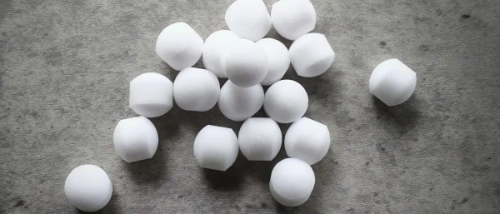
Mice are resilient, adaptable creatures. Much like naphthalene, the frequency of ultrasonic sound waves needed to successfully repel mice would be strong enough to cause damage and harm to humans and domestic animals as well.
Using an ultrasonic mouse repeller may work for a short period of time. That is, until the mouse learns to avoid the area affected by the ultrasonic sound waves, or simply adapts to the background noise.