© 2026 Rentokil Initial plc and subject to the conditions in the legal statement.
Ehrlich Answers
"How can I tell if there’s a termite nest in my home, and what signs should I be looking for?"
Termite nests can vary in appearance and location depending on the species, so let’s take a look at how the different types of termite build their nests and some of the signs of a termite infestation.
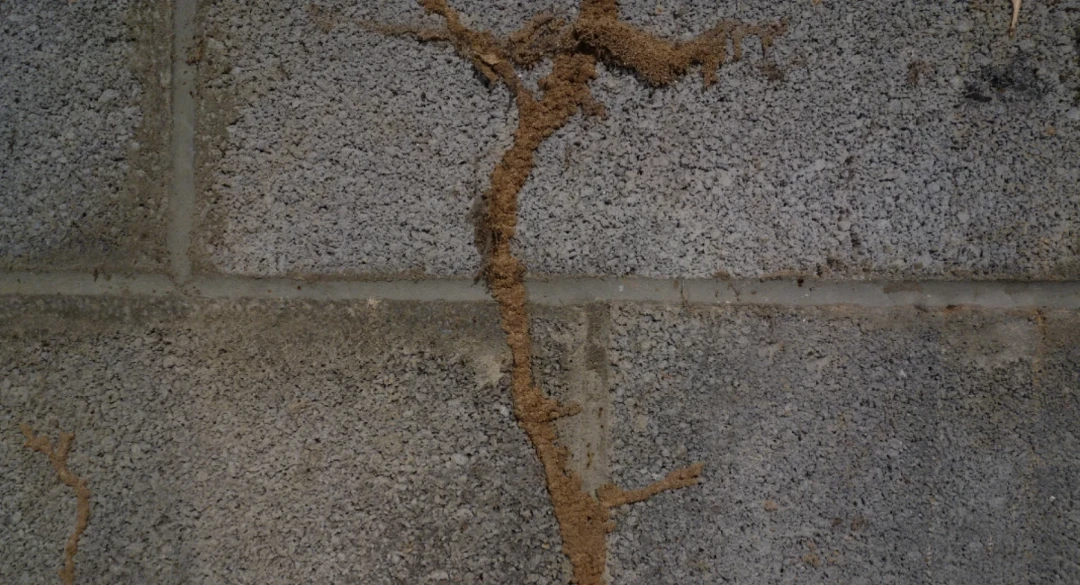
Subterranean termites, the most common type in the Eastern USA, build their nests primarily underground, forming networks of moist soil tunnels and chambers hidden beneath the surface. Outdoors, the most visible signs are pencil-thin mud tubes on trees, rocks, fence posts, or foundation walls, along with soil-packed or hollowed-out wood near ground level. Inside homes and buildings, subterranean termites do not create a traditional “nest” in the structure itself; instead, they maintain their main colony in the soil and travel back and forth through mud tubes. In homes, you may see mud tubes on foundation walls, in crawl spaces, in wall voids, or behind baseboards—anywhere they need moisture to travel.
Formosan subterranean termites, increasingly present in southeastern states, also begin nesting underground but are capable of establishing above-ground “carton” nests when moisture is available. Outdoors, Formosan termite nests look like brown, spongy masses—similar to paper-mâché—found in tree hollows, stumps, or structural voids. Inside homes, Formosan termites can create the same carton nests within walls, attics, between floors, or in areas with plumbing leaks. These indoor nests can grow large enough to support satellite colonies independent of the soil, making Formosans particularly destructive in buildings.
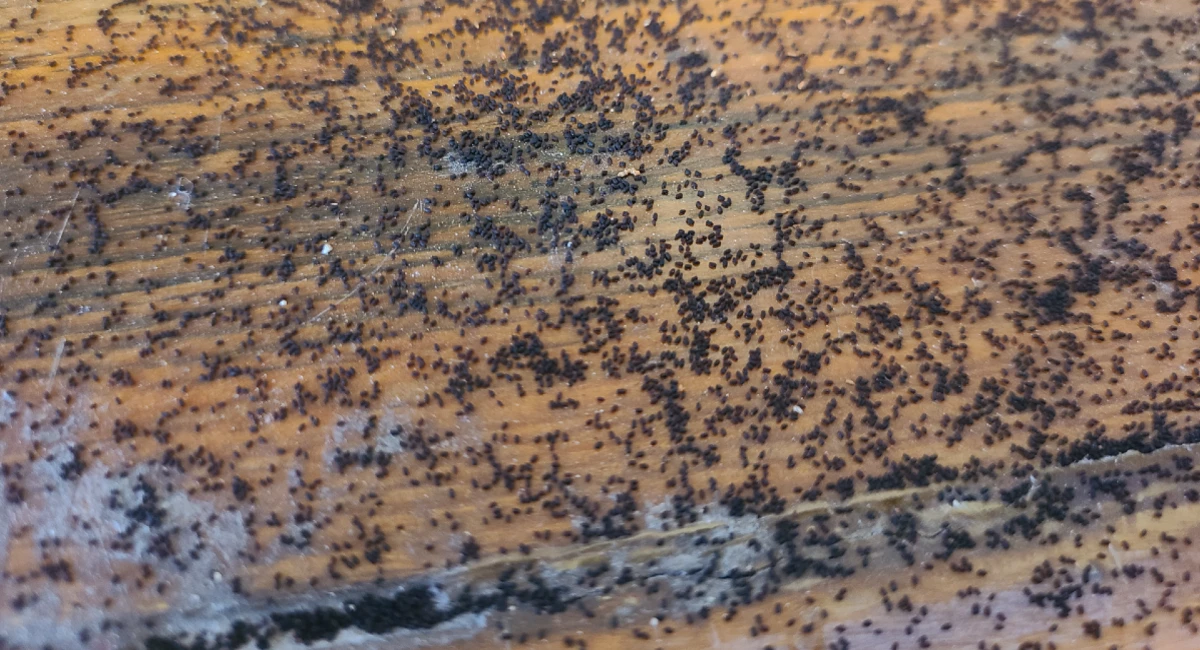
Drywood termites are less common than their subterranean cousins, but when present, they inhabit dry, sound wood such as dead branches, fences, or lumber, creating nests entirely inside the wood. Outdoors, the only external evidence is usually small, hard, six-sided fecal pellets (known as frass) pushed out through tiny kick-out holes. Inside homes, they behave the same way: they nest within structural wood, furniture, trim, or hardwood floors without needing soil contact. Because they stay hidden inside the wood, homeowners typically notice their presence only after finding piles of pellets or discovering wood that has become brittle or honeycombed internally.
Termites can cause extensive damage over time, so if you suspect a termite infestation or are unsure, contact our termite control experts without delay. Our technicians inspect your property for signs of termites, identify the species, and advise on the best treatments and preventive measures to protect your home.
Schedule your free pest inspection today
Get peace of mind knowing your home or business is protected. Our technicians will assess your property and recommend customized solutions.
Seeing signs of termites?
Speak with your local pest control expert for fast advice and a free inspection.
Book a free inspection