© 2026 Rentokil Initial plc and subject to the conditions in the legal statement.
Ehrlich Answers
"I’ve heard people call cicadas “locusts.” Are they actually the same insect?"
No, cicadas and locusts are not the same insect. While people often use the names interchangeably, they are very different insects with different behaviors and impacts.
The mix-up comes from history, not biology. Early European settlers used the word “locust” to describe the sudden, mass appearance of cicadas because it reminded them of biblical locust swarms. Over time, the nickname stuck in everyday language, even though the insects themselves are unrelated.
Cicadas vs locusts: What’s the difference?
The biggest difference comes down to behavior: Cicadas are sap-drinking "true bugs," while locusts are leaf-eating grasshoppers.
Their behaviors are also fundamentally different, too. Cicadas follow a rigid biological cycle, emerging in massive, stationary groups solely to mate. Conversely, locusts are actually grasshoppers that go through a remarkable transformation – when there are too many of them in one spot, they change color, get stronger, and turn into a traveling swarm that eats everything in sight.
In short, while both appear in vast numbers, a cicada emergence is a predictable natural event, whereas a locust swarm is a reactive, migratory threat to agriculture.
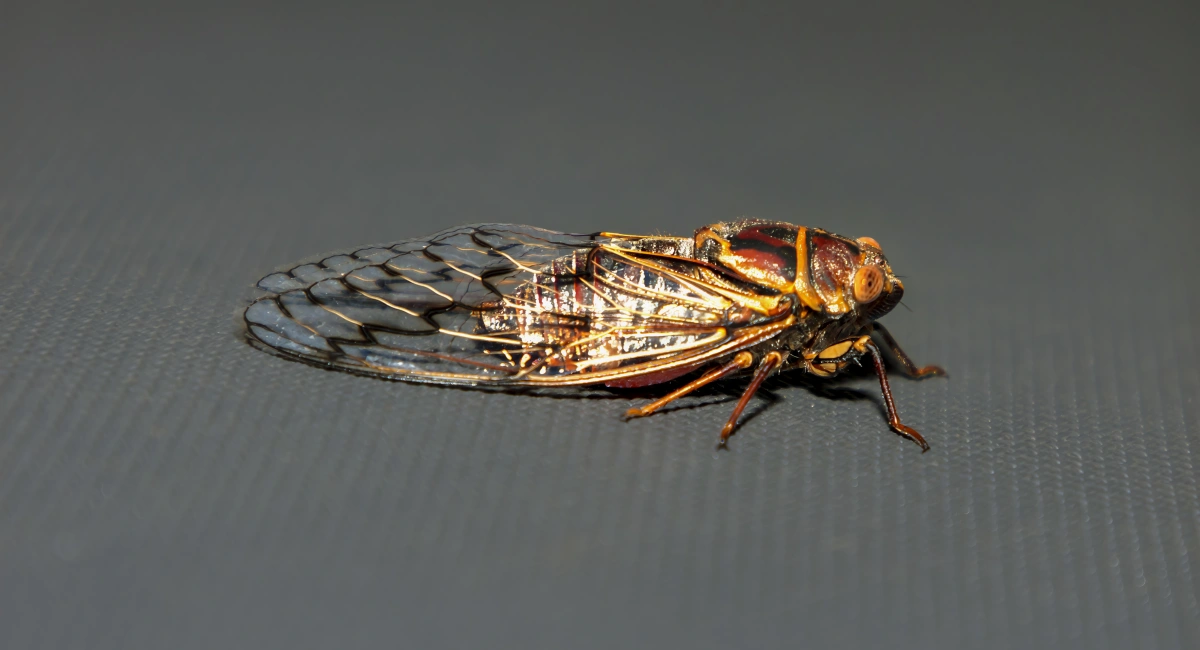
What is a cicada?
A cicada is an insect known for its loud buzzing sound and long life cycle. Cicadas spend most of their lives underground, sometimes for more than a decade, feeding on tree roots. When they emerge, it’s mainly to mate and lay eggs before dying a few weeks later. Cicadas do not swarm to destroy crops, and they don’t infest homes. In residential areas, they’re usually a temporary seasonal nuisance rather than an ongoing pest issue.
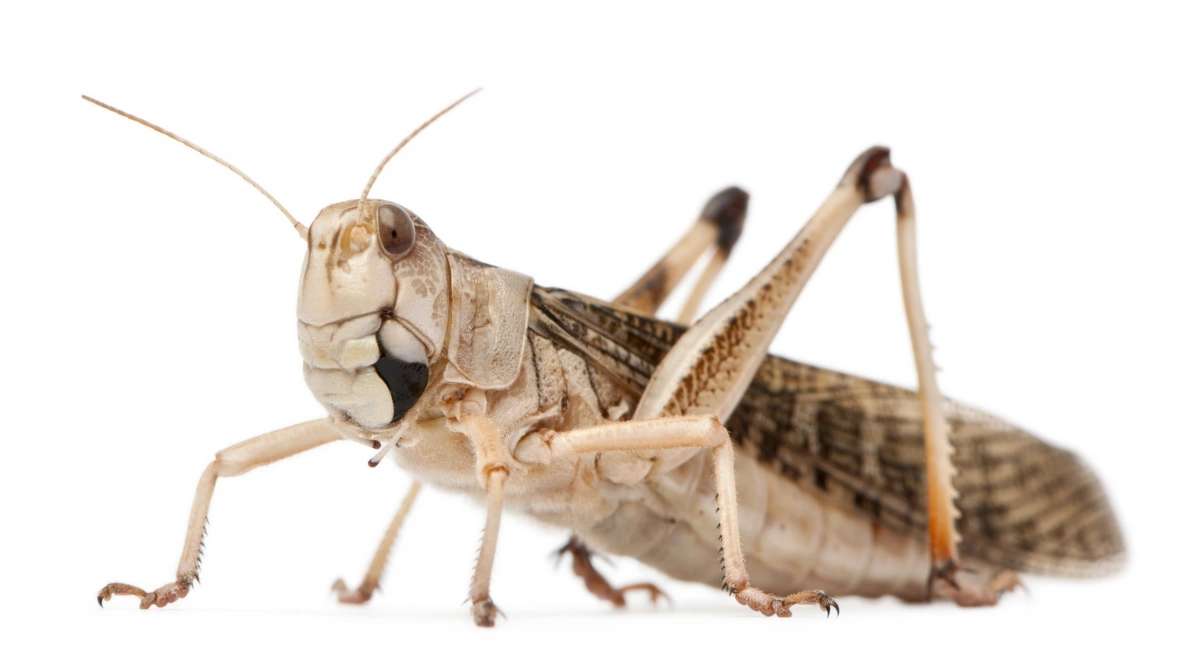
What is a locust?
A locust is a type of grasshopper. What makes locusts different from other grasshoppers is their ability to change behavior when conditions are right. In large numbers, they can form massive swarms that travel long distances and consume crops and vegetation. This swarming behavior is why locusts are associated with agricultural damage.
Should homeowners be concerned?
From a home pest control standpoint, cicadas rarely cause structural issues or infest homes, and locusts are not considered a household pest in the United States.
Schedule your free pest inspection today
Get peace of mind knowing your home or business is protected. Our technicians will assess your property and recommend customized solutions.
Seeing signs of pests?
Speak with your local pest control expert for fast advice and a free inspection.
Book a free inspection