© 2026 Rentokil Initial plc and subject to the conditions in the legal statement.
Updated on: August 18, 2026
Quick overview
- Seven common scents are known to deter mosquitoes
- Mosquitoes navigate largely by smell; certain plant-based scents can help keep them away
- Natural scents can help reduce mosquito activity, but professional treatment from a mosquito exterminator is more reliable.
- It's the oil inside the plant that does the work, so crush the leaves before applying
Mosquitoes are remarkably good at finding you; they can detect a human from up to 38 yards away. But nature has a few tricks that work against them. There are certain smells and plants that repel mosquitoes, including from plants and herbs you can grow right in your own backyard.
It's the oils in these plants that mosquitoes hate, not just the plants themselves. These scents can help reduce mosquito activity around you, but they're not a substitute for proper pest control if you're dealing with a real infestation. Think of them as a helpful first line of defense.
What scents do mosquitoes hate?
If you've ever reached for a citronella candle or planted lavender around your patio, you're not alone. Many people turn to natural scents in the hope of keeping mosquitoes at bay, and while some do have a deterrent effect, the results are often limited and short-lived.
Lavender

Lavender is one of the most well-known smells that mosquitoes hate. Its calming fragrance is pleasant to us but off-putting to mosquitoes. Plant borders with the soothing scent of lavender, which will not only brighten your garden, but your spirits too.
Lemon grass

If you live in a warmer, more humid part of the country, lemon grass – also known as citronella grass – thrives outdoors and smells wonderful, especially after rain.
Catnip

Research has suggested that nepetalactone, the compound that gives catnip its distinctive smell, can be a surprisingly effective mosquito deterrent. Just be prepared for some feline visitors.
Basil and lemon-scented herbs

Place some pots of basil and any lemon-scented herbs, such as lemon thyme and lemon oregano, outside your kitchen window to repel mosquitoes. Pot it up and place it near doorways, windows, or outdoor seating areas.
Rosemary

Rosemary is a hardy, fragrant herb that does double duty in the garden. The oil it produces acts as a natural mosquito deterrent, and it's one of the more versatile herbs, as it grows well in containers and garden beds alike. Toss a sprig on the grill while you're cooking outdoors — the smoke can help keep mosquitoes away.
Garlic

Garlic grows well even in shady spots and is said to act as a natural deterrent when planted nearby. Some people also believe that eating garlic can help, though the evidence for that is more anecdotal than scientific.
Pennyroyal
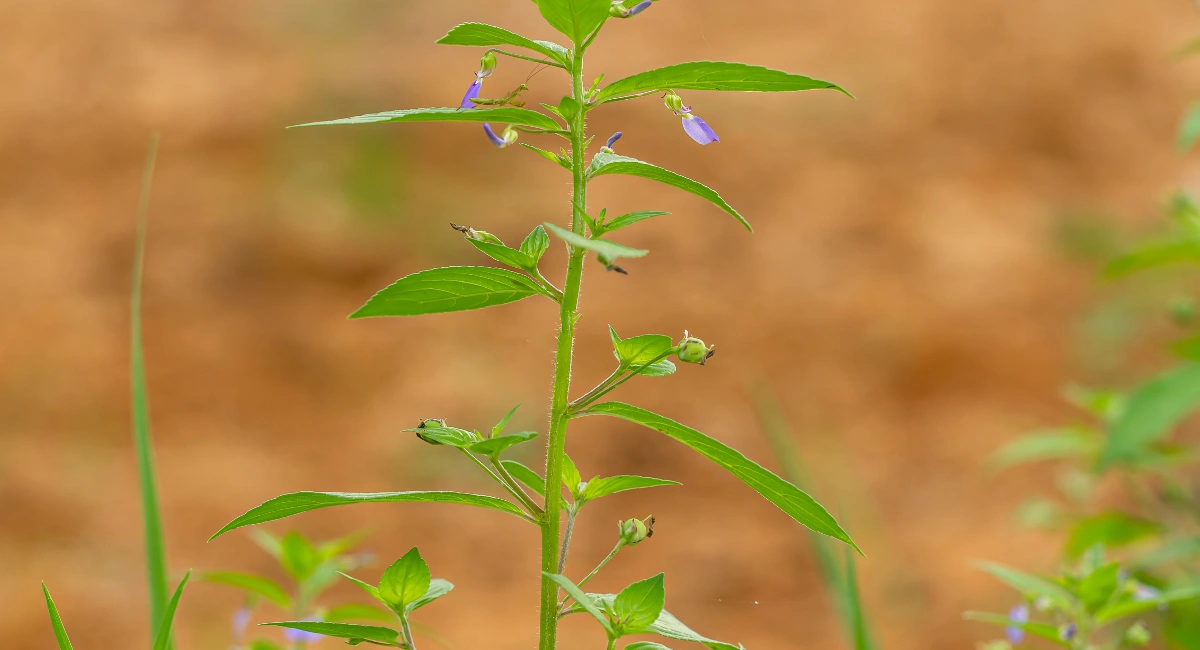
Pennyroyal oil is used as a dog and cat flea repellent and is said to repel flies, gnats, mosquitoes, fleas, and ticks. Plant it in areas where you sit outdoors, or crush a few leaves and rub them on clothing. Note that pennyroyal oil can be toxic if ingested and should not be used on or around children or pets.
Do natural scents work?
These plants and herbs can help reduce mosquito activity, and they're a pleasant, low-effort addition to any garden. But it's important to be realistic: Natural repellents work best as part of a broader approach that eliminates standing water, keeps vegetation trimmed, and uses personal repellents when spending time outdoors.
If mosquitoes are a persistent problem on your property, professional mosquito control is the most reliable way to reduce mosquito populations and protect your outdoor space.
Frequently asked questions
Several plant-based essential oils can help repel mosquitoes, including lavender, citronella, catnip, basil, lemon-scented herbs, rosemary, garlic, and pennyroyal. Crushing the leaves releases the oils and improves effectiveness. While helpful as a first line of defence, these natural options are not a substitute for professional pest control.
A little, but not much. Citronella-filled tiki torches can reduce mosquito activity within about one yard, but any breeze will carry the scent away and cut that protection short. They're fine for ambiance, but they're not a substitute for proper mosquito control.
Cedar has a reputation as a natural insect deterrent, and there is some evidence that it can help discourage mosquitoes.
Orange and other citrus scents are often cited as natural mosquito deterrents. The active compound in orange peel, d-limonene, can have a repellent effect, but it dissipates fast and offers only localized, temporary relief.
Pine has some insect-repelling properties, and pine oil is occasionally used in natural repellent blends. However, the evidence for pine as a standalone mosquito deterrent is thin. It may offer a minor deterrent effect in the immediate area, but wind, heat, and open spaces quickly reduce its impact.
Not reliably. While oil of lemon eucalyptus (OLE) is an EPA-registered repellent active ingredient, simply having eucalyptus plants or scented candles nearby won't provide meaningful protection. The concentration of repellent compounds in ambient scent is too low to keep mosquitoes away.
While it may offer a degree of temporary relief, vapor rub isn't formulated or tested as a mosquito repellent, and its effectiveness is largely anecdotal.
Several common plants can help keep mosquitoes away, including lavender, lemon grass, catnip, basil, lemon-scented herbs such as lemon thyme and lemon oregano, rosemary, garlic, and pennyroyal. It is the oils within these plants that deter mosquitoes, so crushing the leaves helps release the scent and improves their effectiveness. It should be noted that these natural remedies are not as effective as a professional pest control plan.
Schedule your free pest inspection today
Get peace of mind knowing your home or business is protected. Our technicians will assess your property and recommend customized solutions.
Book your free pest inspection today
Our local technicians will assess your property and recommend tailored solutions. Fast, friendly, and completely obligation-free.
- Safe, targeted treatments
- Local experts, fast response
- Trusted, trained technicians