© 2026 Rentokil Initial plc and subject to the conditions in the legal statement.
Updated on: June 26, 2026
Quick overview
- Around 20% of people are consistently more attractive to mosquitoes than others
- Blood type, carbon dioxide, sweat, and skin bacteria all play a role
- Only female mosquitoes bite — they need blood proteins to reproduce
- Wearing dark clothing and exercising outdoors can increase your chances of being bitten
- Simple steps like using repellent and removing standing water can help reduce bites
Ever stepped outside with a group of friends and come back covered in bites while everyone else is fine? You're not imagining it. One of the most common questions we hear is, “Why are mosquitoes attracted to me?”, and the answer is more interesting than you might think.
Research suggests that around 20% of people are consistently more attractive to mosquitoes than others. A mix of factors, from your blood type and body chemistry to what you're wearing, can make you a preferred target. Understanding what attracts mosquitoes is the first step toward protecting yourself this season.
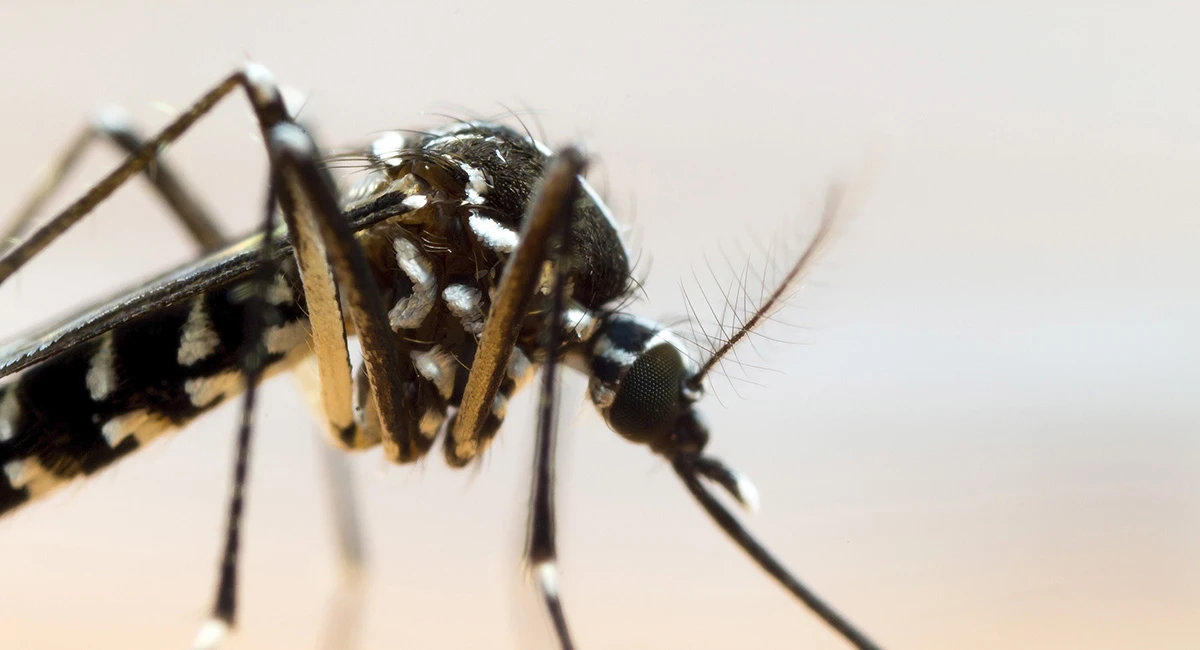
What attracts mosquitoes?
If you’re spending any time outside this summer, you’re probably eager to figure out why you keep getting bitten. Here, we explore some of the most prevalent mosquito attractants, backed by science.
Blood type
Scientific studies have discovered that those with Type O blood can be up to two times more likely to have mosquitoes land on them than those with Type A blood. People with Type B blood ended up close to the middle of the spectrum. What doesn’t help is that it is hard for us to hide our blood type from mosquitoes. Approximately 85% of us give off a chemical signal that tells mosquitoes what blood type we have. Good news for them… not so much for us.
Carbon dioxide
One of the primary ways mosquitoes find their targets is by detecting carbon dioxide in exhaled breath. Female mosquitoes can smell the carbon dioxide that is released from human breath from up to 100feet away. This means that anyone who exhales more of the gas over time frequently than others, like women that are late in their pregnancy, those that exercise frequently, and individuals who are overweight, may attract more mosquitoes.
Sweat and skin bacteria
Mosquitoes get their keen sense of smell from their chemical neuroreceptors. These neuroreceptors allow them to not only smell your blood type from a distance but also the lactic acid found in your sweat. Lactic acid, ammonia, uric acid and other compounds found in human perspiration are all picked up on by those receptors. Strenuous activity raises both your body temperature and lactic acid levels, while Studies show that movement can increase mosquito bites by as much as 50%!
Skin bacteria also plays a role. Research has found that people with high amounts of a small number of bacterial species on their skin tend to attract more mosquitoes. This may explain why bites often cluster around the ankles and feet, where bacteria colonies are especially dense.
Clothing colors
You’ve probably heard that bees and wasps are attracted to certain colors, but did you know that mosquitoes are too? In addition to scent, mosquitoes use vision to locate humans. Studies have found that there are certain colors that can make you more visible to mosquitoes. Unlike for bees, wearing darker colors will draw these blood-sucking pests to you. So anytime you choose to wear dark colors this summer, know that you may be a walking target for mosquitoes. Wearing lighter colors like white, green, or blue appears to make you less visible to them. It's a small change that can make a real difference when you're spending time outdoors.
Alcohol
Drinking alcohol can make you more attractive to mosquitoes, likely because it raises your body temperature and affects the compounds released through your skin.
Pregnancy
A higher metabolic rate during pregnancy means more CO₂ and heat, both of which mosquitoes use to locate hosts. If you're pregnant, it's especially worth taking steps to avoid bites, as mosquitoes can transmit illnesses including Zika virus. If you experience any unusual reaction to a bite or sting, consult a healthcare professional.
Why do only female mosquitoes bite?
This is a question that comes up a lot, and it's worth a clear answer. Only female mosquitoes bite humans. Males feed on plant nectar and don't need blood at all. Females, on the other hand, require the proteins and lipids in blood to develop and lay eggs. So every bite you've ever had came from a female on a mission to reproduce.
Understanding this also helps explain why mosquito populations can grow so quickly. A single female can lay hundreds of eggs in a small amount of standing water, which is why eliminating breeding sites around your property is one of the most effective prevention steps you can take.
How to avoid mosquito bites
You can't change your blood type or your genetics, but there are practical steps that can meaningfully reduce your exposure to mosquito bites.
Choosing the Right Repellent
The CDC recommends using EPA-registered repellents on exposed skin and clothing. Look for active ingredients such as:
- DEET - one of the most well-studied and effective options
- Picaridin - a good alternative for those who prefer a lighter feel
- Oil of lemon eucalyptus (OLE) - a plant-based option approved by the EPA
- Para-menthane-diol (PMD) - derived from OLE, also EPA-approved
Always apply repellent as directed on the label, and reapply as needed, especially if you're sweating or spending extended time outdoors. If you experience any skin reaction, seek advice from a healthcare professional.
Clothing Colors and Fits
As noted above, color choice can make a difference. When mosquitoes are active, opt for:
- Light-colored clothing - white, light grey, light blue, or green
- Long sleeves and pants - less exposed skin means fewer opportunities to bite
- Tightly woven fabrics - harder for mosquitoes to bite through
Loose-fitting clothing can also help, as it creates a physical barrier between the fabric and your skin.
Environmental Hacks
Reducing mosquito activity around your home is just as important as protecting yourself personally. A few practical steps:
- Eliminate standing water - mosquitoes lay eggs in stagnant water, so empty birdbaths, flowerpot saucers, clogged gutters, and any containers that collect rainwater
- Keep vegetation trimmed - mosquitoes rest in shaded, overgrown areas during the day; regular mowing and pruning reduces their hiding spots
- Use fans outdoors - mosquitoes are weak fliers, and a steady breeze makes it harder for them to land on you
- Install or repair window and door screens - a simple but effective way to keep mosquitoes out of your home; learn more about how to get rid of mosquitoes indoors
- Time your outdoor activities - mosquitoes are most active at dawn and dusk, so plan accordingly when possible
DIY measures like these can help reduce your exposure, but they're usually a short-term fix. For more reliable, longer-lasting protection — especially if you have a yard or outdoor space you use regularly — professional treatment is the more effective route.
Let Ehrlich help you prevent mosquito bites
If mosquitoes are making your yard uncomfortable, our mosquito control services can help reduce populations and lower your exposure to the health risks they can pose. Treatments target adult mosquitoes, help prevent reproduction, and also address ticks in your yard. Whether you need a one-time treatment before an outdoor event or season-long monthly protection, we'll build a plan that fits your property and your schedule.
Get in touch to schedule your free inspection.
See how Ehrlich can provide relief from mosquito infestations.
Schedule your free pest inspection today
Get peace of mind knowing your home or business is protected. Our technicians will assess your property and recommend customized solutions.
Book your free pest inspection today
Our local technicians will assess your property and recommend tailored solutions. Fast, friendly, and completely obligation-free.
- Safe, targeted treatments
- Local experts, fast response
- Trusted, trained technicians