© 2026 Rentokil Initial plc and subject to the conditions in the legal statement.
Updated on: June 26, 2026
Quick overview
- Mosquito bites itch because your immune system reacts to the mosquito's saliva, not the bite itself.
- Simple home remedies like ice, aloe vera, honey, and oatmeal can calm the itch and ease swelling.
- For stubborn bites, an antihistamine or hydrocortisone cream can help reduce the reaction.
- Pressing an X or squeezing a bite only distracts you for a moment and can break the skin.
- See a healthcare provider if you notice signs of infection or a stronger allergic reaction.
Summertime marks the start of BBQ season, picnics in the park, long warm nights, and vacations abroad. The warm weather brightens up your spirits from the cold winter months and everything is perfect until you start to hear that high-pitched buzzing sound echoing through your backyard.
Then the dreaded day comes when you wake up to find yourself covered in red bumps accompanied by an everlasting itch that annoys you right to the core of your bones. There can be only one culprit… mosquitoes!
Everyone has felt the wrath of these bloodthirsty insects. They leave behind nasty red marks and an itchy aftermath, so it's no surprise you want to know how you can treat mosquito bites and stop the scratching for good.
You may also wonder, why are mosquitoes attracted to me? Mosquitoes are drawn to certain factors, such as body heat, carbon dioxide, and even the scent of sweat, making some people more appealing to them than others.

Why do mosquito bites itch?
The itching that occurs after a mosquito bites you is your body's reaction to the bite, not the mosquito.
Did you know that only female mosquitoes bite?
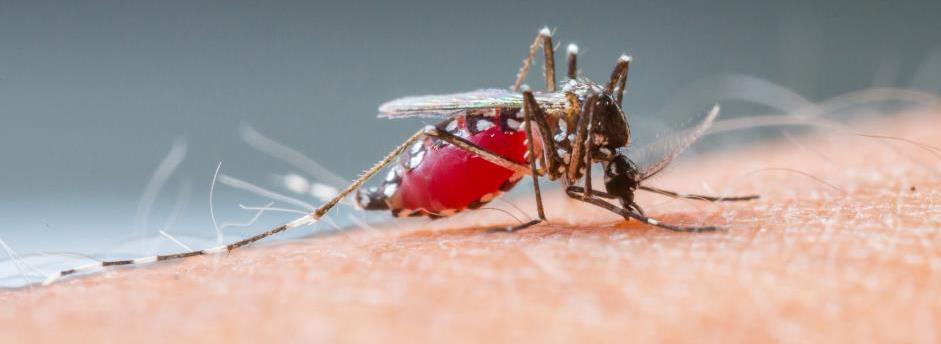
Technically mosquitoes don’t bite, they suck. When a mosquito has selected you as their main course for the evening, she uses her needle-like mouthpart (called a proboscis) to penetrate your skin. Then she searches around for a tasty blood vessel.
Once she has found the perfect vessel she will start to feed. But before this begins the mosquito will release some of her saliva. The saliva acts as an anticoagulant, letting her feed without the blood clotting. Our body’s natural reaction to an anticoagulant is to create histamines and send them to the affected area. It is the histamines that cause the bite to itch. It’s not the mosquito that has caused the swelling and the itching, but your immune system! Scratching at the bite makes it even worse. The more you scratch at a mosquito bite, the more histamines your body sends to the area.
Are mosquitoes dirty? Mosquitoes are often considered dirty because they can carry and transmit diseases. They feed on blood, and in the process, they can pick up pathogens from one host and transmit them to another. While mosquitoes themselves aren't "dirty" in the traditional sense, their feeding habits make them potential vectors for diseases such as malaria, dengue, Zika virus, and West Nile Virus.
So next time a mosquito gets you, resist the urge to scratch. It only kicks off an endless cycle of unstoppable itching.
How to make mosquito bites stop itching
Fortunately, there are plenty of mosquito bite treatment options that help reduce redness and swelling, and even stop that infamous itch. Many natural remedies for mosquito bites use items you already have at home, so you can put an end to those sleepless nights and get back to enjoying your summer without mosquitoes. Whatever you reach for, start by washing the bite with soap and water, and test a remedy on a small patch of skin first if your skin is sensitive.
What to put on a mosquito bite at home
Toothpaste
Toothpaste is a great treatment to help fight the annoying itch after a mosquito bite. The menthol flavor from the toothpaste acts as a cooling agent, keeping your mind distracted from the urge to scratch. To add to this, the astringency characteristic of toothpaste will help reduce swelling by eliminating the fluid build-up. A small dab of plain white toothpaste works better here than a gel.
Honey
Did you know honey, particularly fresh honey, is a natural antibiotic? Been bitten by a mosquito? Apply some honey to the bite.
If you tend to attack each mosquito bite like a feral cat on a can of tuna, then honey is also a great way to treat mosquito bites that you have scratched open.
Banana Peel
It may sound strange but, banana peels are another great way to treat a mosquito bite. This is due to the natural oils found within the banana skin. For this natural remedy, simply rub the banana peel, flesh side down, on your mosquito bite and relax as the irritating itch fades away.
Oatmeal
Colloidal oatmeal calms itchy, irritated skin. Stir a few tablespoons into a warm bath and soak for 15 to 20 minutes, or mix it with a little water to make a paste you can dab onto individual bites. It's a gentle option when you're covered in bites after a night outdoors.
Vapor Rub
Not only can vapor rub help with a stuffy nose, but it has also been proven to reduce itch from mosquito bites for some people. Much like toothpaste, this is mainly due to the menthol-based ingredients found in this product, mixed with the camphor oil.
Ice
Just like with wasp and bee stings, ice is a great way to treat a mosquito bite. Take either an ice pack or a bag of frozen peas and place it on the mosquito bite. The cold temperature will help cool the area, reducing the redness and keeping the itching apocalypse at bay.
Aloe Vera
Did you know that aloe vera is a fantastic, natural antiseptic agent? That’s what makes it a good natural remedy for mosquito bites. The vitamins and minerals found in aloe vera will help to reduce the pain, swelling, and itching. On top of that, it will also help the bite heal faster.
Either fresh aloe vera or aloe vera gel works perfectly for this home remedy. Beforehand, make sure the aloe vera is at a cold temperature before you apply it to your skin. Simply leaving it in the fridge for 10 minutes usually does the trick. All you need to do is rub the gel (this can be extracted from a fresh aloe vera plant by cutting a meaty portion off and squeezing) to the mosquito bite and let the aloe vera do its magic.
Create an X
Pressing an X into the skin over a bite is more of a temporary trick than a real fix. Simply make an X on top of the mosquito bite using your fingernail. Don’t press too hard as you don’t want to pierce the skin, just apply enough pressure to make a dent. This will help stop the itching temporarily. However, it will return when the X fades away. The same goes for squeezing mosquito bites: it might feel satisfying, but squeezing won't stop the itch and can break the skin and invite infection.
Over-the-counter treatments that help
When home remedies aren't enough, a few over-the-counter products can calm a stubborn bite. An antihistamine, as a cream or a tablet, eases the histamine reaction behind the itch. A thin layer of hydrocortisone cream helps reduce redness and swelling, and a cold ice pack still works any time the itch flares up.
Calamine lotion is another classic that soothes irritation, and a simple paste of baking soda and water can take the edge off when you have nothing else on hand. If you've been bitten in several spots, an oral antihistamine can help calm the reaction across your whole body.
When to see a healthcare provider
Most mosquito bites clear up on their own, but some need more attention. Watch for signs of a skin infection, such as spreading redness, warmth, or pus. A stronger allergic reaction, sometimes called skeeter syndrome, can cause large areas of swelling, hives, or blisters.
Keep a closer eye on bites on young children and anyone with a weaker immune system. If you develop a fever, headache, or body aches in the days after traveling somewhere mosquitoes are common, visit your healthcare provider, since they can be early signs of a mosquito-borne illness.
Ready to take back your yard?
The surest way to escape the itch is to get rid of the mosquitoes around your home or business. The team at Ehrlich can help you reclaim your yard with professional mosquito control. Get in touch today to schedule a free inspection.
See how Ehrlich can provide relief from mosquito infestations.
Schedule your free pest inspection today
Get peace of mind knowing your home or business is protected. Our technicians will assess your property and recommend customized solutions.
Book your free pest inspection today
Our local technicians will assess your property and recommend tailored solutions. Fast, friendly, and completely obligation-free.
- Safe, targeted treatments
- Local experts, fast response
- Trusted, trained technicians