© 2026 Rentokil Initial plc and subject to the conditions in the legal statement.
Quick overview
- Mosquitoes don't just die off in winter; different species use different survival strategies
- Some adult females enter diapause, slowing down their metabolism to survive
- Eggs laid in late summer can survive freezing conditions, lying dormant until spring
- Overwintering mosquitoes emerge once temperatures climb back above 50°F
One day they're everywhere, and the next they seem to vanish. The truth is, mosquitoes don't just disappear. They've developed some surprisingly clever ways to ride out the cold months and come back in full force once spring arrives. Let’s take a closer look at what's actually going on.
Do mosquitoes die in the winter?
While many individual mosquitoes do die off as temperatures fall, the species as a whole survives. Different mosquito species use different strategies to make it through winter, depending on their life stage and the climate they live in. Some overwinter as adults, others as eggs, and a few as larvae.
So when you stop seeing mosquitoes in the fall and winter months, it doesn't mean they're gone for good. It means they've gone quiet.
Do mosquitoes hibernate?
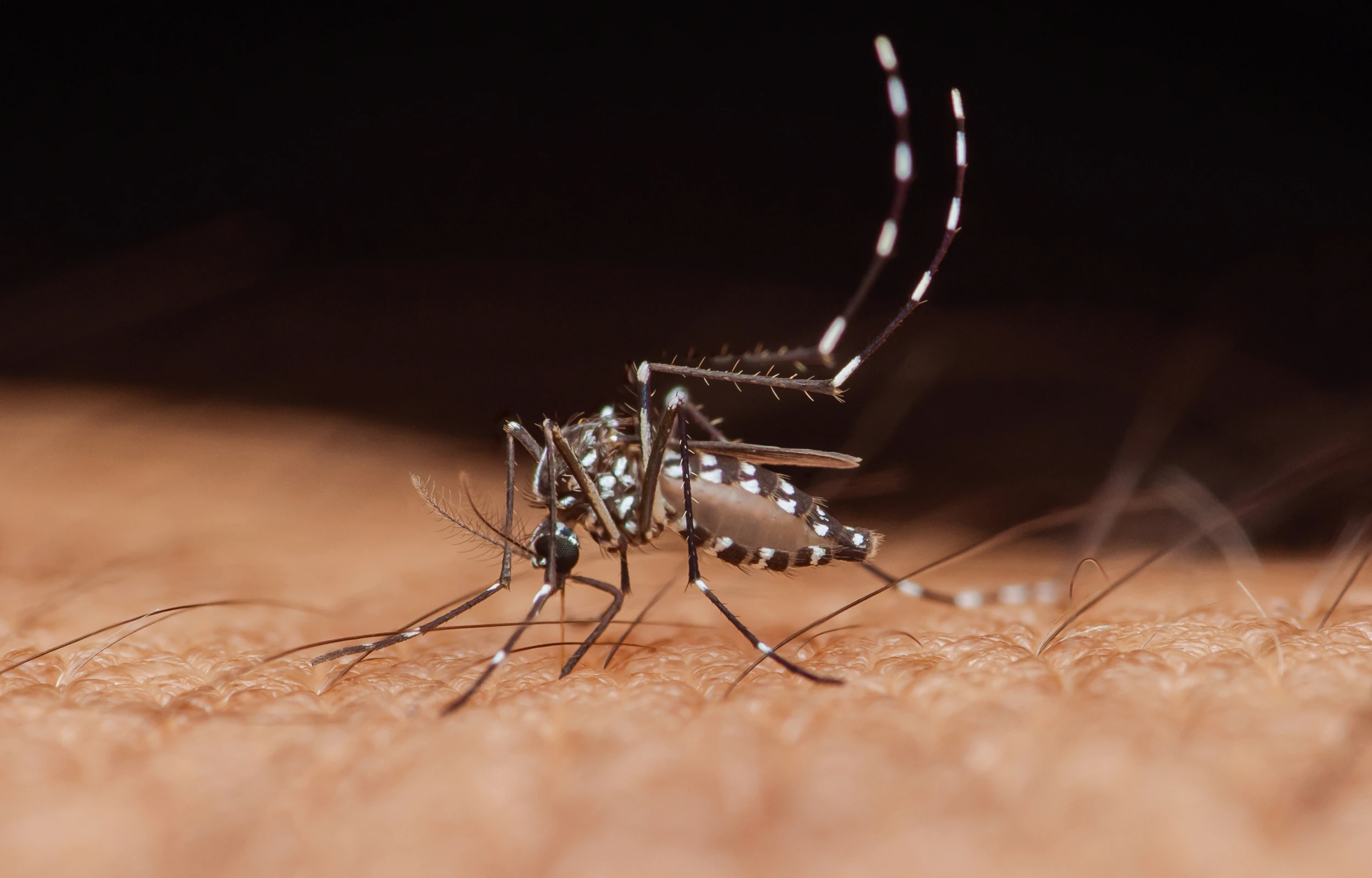
Mosquitoes don't hibernate in the way bears do, but they enter a similar state called diapause. This is a kind of biological pause button. When daylight hours shorten and temperatures consistently drop below around 50°F, certain mosquito species slow their metabolism, stop feeding, and enter a dormant state. Shorter autumn days trigger hormonal changes that cause mosquitoes to store fat and halt reproductive activity in preparation for this dormancy.
During diapause, mosquitoes seek out sheltered spots: hollow logs, leaf litter, animal burrows, storm drains, basements, and gaps inside your home. They can stay in this state for several months without feeding.
How do mosquitoes survive winter by life stage?
Not all mosquitoes survive winter the same way. It depends on the species and the stage of its life cycle when cold weather hits.
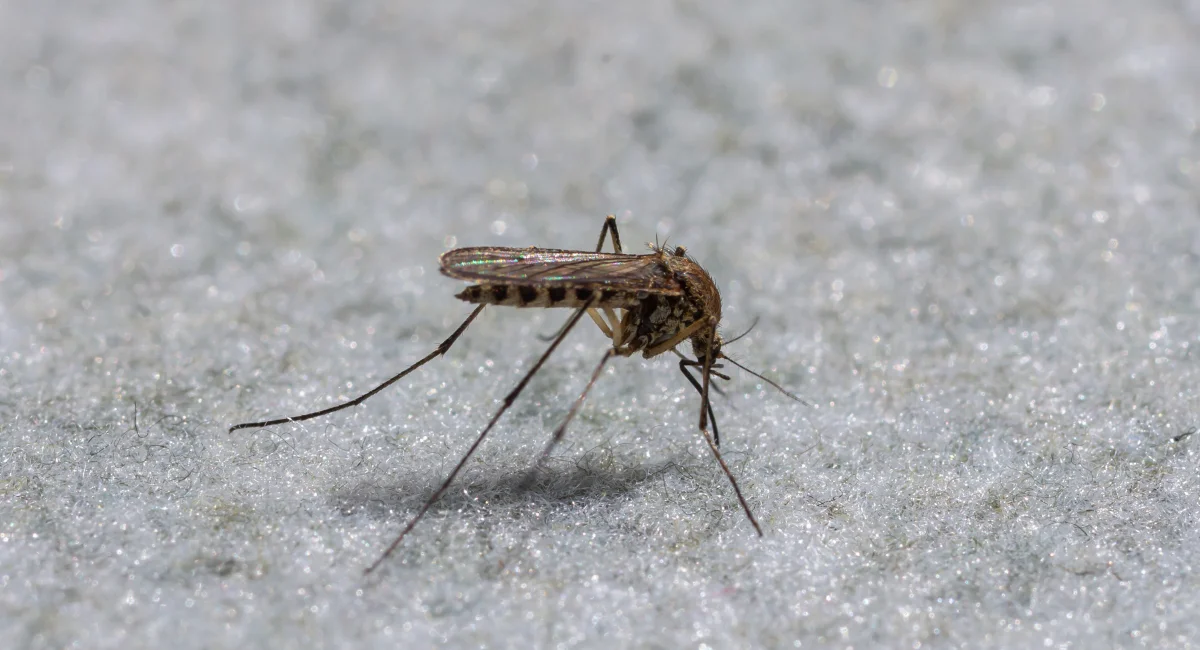
- Adult females are the most common survivors. Species like the common house mosquito (Culex pipiens) mate in late summer or fall, then find a sheltered spot to wait out the cold. They don't feed during this time. Instead, they live off fat reserves built up before winter and emerge in spring ready to lay eggs.
- Eggs are how species like the Asian tiger mosquito (Aedes albopictus) get through winter. Their eggs are laid in late summer in dry areas that are likely to flood, such as tree holes, gutters, or containers. They're tough enough to survive freezing temperatures and simply hatch when spring rain and warmth arrive.
- Larvae can occasionally survive winter in slow-moving or partially frozen water, though this is rare and only applies to certain species.
One thing that doesn't survive winter? Male mosquitoes. They die off before the cold sets in, leaving mated females to carry the species through to spring.
Do mosquitoes come indoors during winter?
If mosquitoes find their way into a warm building before temperatures drop, they may remain active longer than their outdoor counterparts. Heated spaces can delay or disrupt diapause, meaning you might spot the occasional mosquito indoors during winter months. This is more common in basements, garages, and utility rooms where conditions are cool but not freezing.
If you're dealing with mosquitoes, professional pest control is the most reliable way to help reduce activity around your property.
How do mosquitoes come back after winter?
As days get longer and temperatures climb back above 50°F, the cues that triggered diapause begin to reverse. Overwintering females emerge from their sheltered spots, seek a blood meal, and start laying eggs. Dormant eggs hatch as soon as they're submerged in water and conditions warm up.
This is why mosquito populations can seem to appear almost overnight in spring. They haven't traveled far; they've simply been waiting. The speed of their return depends on your local climate. In warmer southern states, mosquito season can start as early as February or March. In northern states, it's typically April through May.
Why does this matter for mosquito control?
Understanding how mosquitoes survive winter helps explain why year-round awareness matters, even when you can't see them. Overwintering eggs and dormant adults are already on your property, waiting for the right conditions to become active again.
Getting ahead of mosquito season before it starts is one of the most effective ways to protect yourself. Our mosquito control services include targeted treatments for both adult mosquitoes and larvae, helping to reduce populations before they build up.
Schedule your free pest inspection today
Get peace of mind knowing your home or business is protected. Our technicians will assess your property and recommend customized solutions.
Book your free pest inspection today
Our local technicians will assess your property and recommend tailored solutions. Fast, friendly, and completely obligation-free.
- Safe, targeted treatments
- Local experts, fast response
- Trusted, trained technicians