© 2026 Rentokil Initial plc and subject to the conditions in the legal statement.
Quick overview
- Mosquitoes are cold-blooded, so their activity drops sharply once temperatures fall below 50°F
- Adult mosquitoes don't all die off in the fall; some enter a dormant state
- A hard frost can kill exposed adults, but eggs and larvae can survive freezing conditions
- Mosquito season end dates vary by region
As the days get shorter and the air turns crisp, most of us are ready to say goodbye to mosquitoes. But do they actually disappear when fall arrives, or are they just lying low? The answer depends on where you live, the species involved, and how cold it actually gets.
Why mosquitoes slow down in fall
Mosquitoes are cold-blooded insects, which means they can't regulate their own body temperature. When the air cools down, so do they. Their metabolism slows, they struggle to fly and feed, and reproduction grinds to a halt.
Most mosquito species become noticeably less active once temperatures consistently drop below 50°F. At that point, biting activity drops off sharply. Once temperatures fall below freezing, adult mosquitoes that haven't found shelter will not survive. For many northern states, this is the natural end of mosquito season.
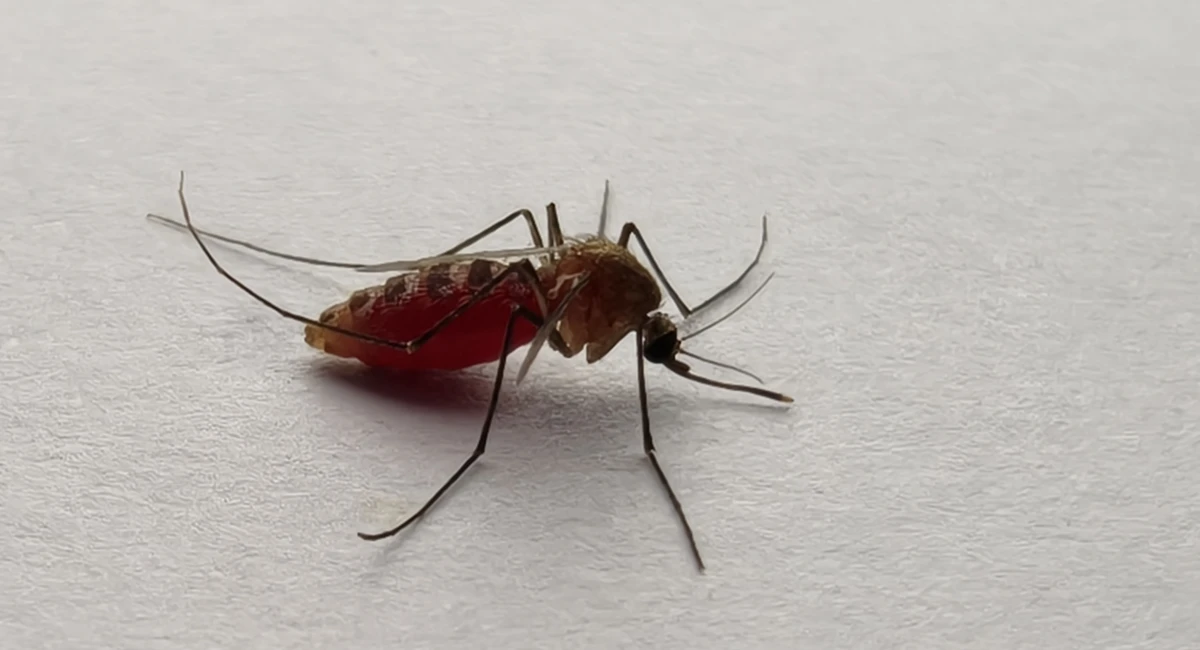
Do mosquitoes die off completely in the fall?
Not exactly. While adult mosquitoes do die off as temperatures drop, the story doesn't end there. Many species have evolved clever ways to survive the winter.
Some female mosquitoes enter a state called diapause, a kind of suspended animation where they become dormant and wait out the cold in sheltered spots like burrows, leaf piles, or inside structures. Others lay eggs in standing water before dying off. While frost can kill mosquitoes, those eggs can remain dormant through winter and hatch when temperatures rise again in spring. So while you may not see mosquitoes during the colder months, the next generation can already be waiting in your yard.
When do mosquitoes die?
When mosquitoes die varies by region, and remember that some can survive winter. In general, in the northern U.S., mosquito season typically winds down between September and October as temperatures drop. In warmer southern states, mosquitoes can remain active well into November or even year-round in some areas, such as Florida and the Gulf Coast.
If you're unsure about mosquito activity in your area, our team can help. Ehrlich’s mosquito control services are tailored to your local conditions and seasonal patterns.
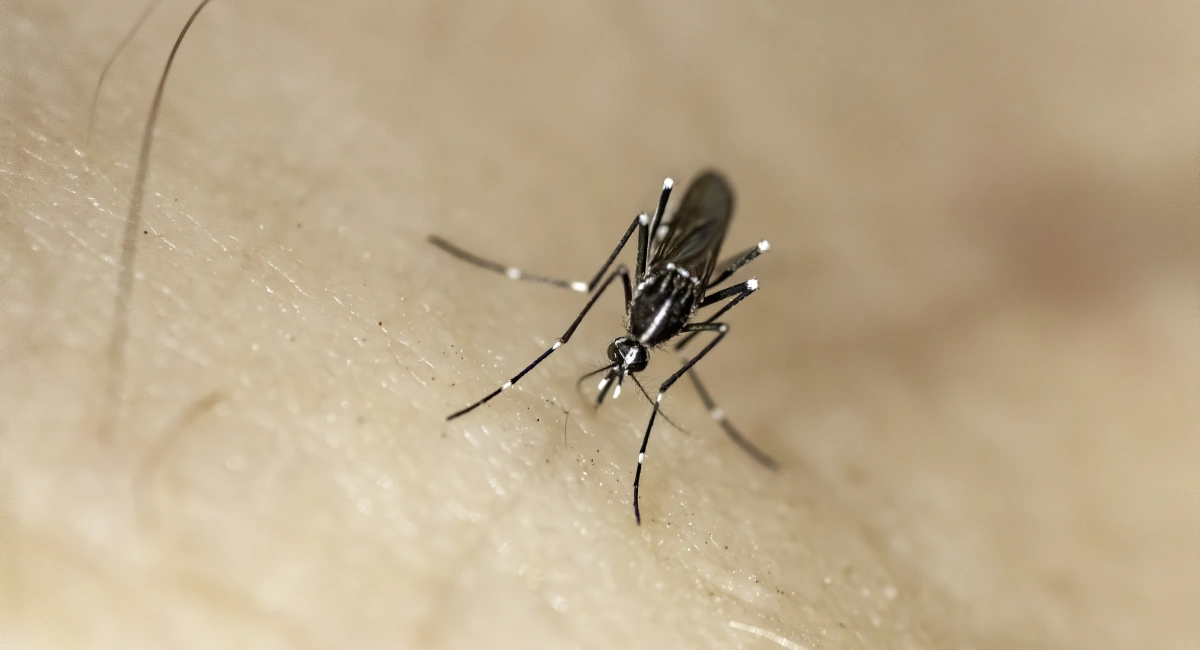
What do mosquitoes do in the fall?
Different species behave differently as temperatures fall.
- Some species overwinter as adults. Female Culex pipiens mosquitoes, known carriers of West Nile virus, stop taking blood meals in fall, feed on sugar instead, and seek out warm hiding spots to wait out winter.
- Some overwinter as eggs. Aedes aegypti and Aedes albopictus, associated with Zika virus, lay eggs in standing water before dying. The eggs survive winter and hatch when conditions improve.
- Some die off entirely. Many adult mosquitoes simply don't survive the cold, but not before laying eggs that will carry the population into next year.
Should you still worry about mosquitoes in the fall?
Mosquitoes can remain active and biting well into September and October in many parts of the country, especially during warm spells. If you've had a wet fall with standing water around your property, conditions can still support mosquito activity longer than you'd expect.
It's also worth thinking ahead: Fall is a good time to take steps to reduce mosquito populations before they overwinter and bounce back in spring. Our residential pest control plans can help you stay protected year-round, not just during peak mosquito season.
Schedule your free pest inspection today
Get peace of mind knowing your home or business is protected. Our technicians will assess your property and recommend customized solutions.
Book your free pest inspection today
Our local technicians will assess your property and recommend tailored solutions. Fast, friendly, and completely obligation-free.
- Safe, targeted treatments
- Local experts, fast response
- Trusted, trained technicians