© 2026 Rentokil Initial plc and subject to the conditions in the legal statement.
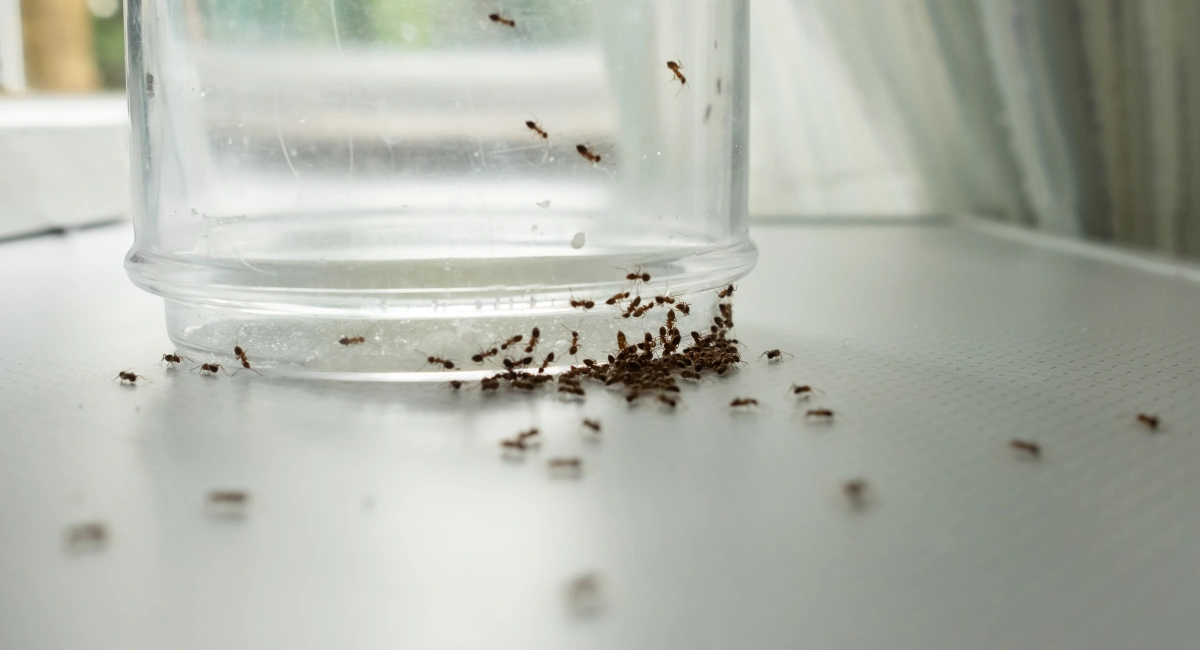
If you've ever left a glass of lemonade on the counter for just a few minutes and returned to find it surrounded by ants, you’ll know these tiny insects have an uncanny ability to find exactly what they're looking for. But what draws ants into our homes in the first place? Understanding their motivations is key to keeping them out.
Why ants come inside your home
Ants don't wander into your house by accident—they're on a mission. That mission usually involves one of three things: food, water, or shelter. When a scout ant discovers something valuable, it leaves behind an invisible chemical trail that acts like a roadmap for the rest of the colony. Before you know it, what started as one curious ant becomes a highway of them marching across your kitchen counter.
The timing matters too. Spring and summer bring more ant activity as colonies grow rapidly and need extra resources. A rainy spell might send them searching for dry ground, while a drought has them desperately seeking moisture.
The foods that ants can't resist
Not all ants want the same thing, but most manage to find food in your home pretty quickly. We share a few common cravings that bring them straight to your property:
Sugar and sweet treats
Most ants have a serious sweet tooth, and it's not hard to understand why; sugar is pure energy. A drop of spilled soda, a smear of honey on the counter, or even a piece of fruit left out becomes an all-you-can-eat buffet.
They're particularly drawn to sticky substances like syrup, jam, and melted ice cream. Basically, anything that would make your fingers sticky will make ants happy.

Proteins and fats
While sugar gets most of the attention, many ant species are equally interested in protein, especially when the colony is producing new members.
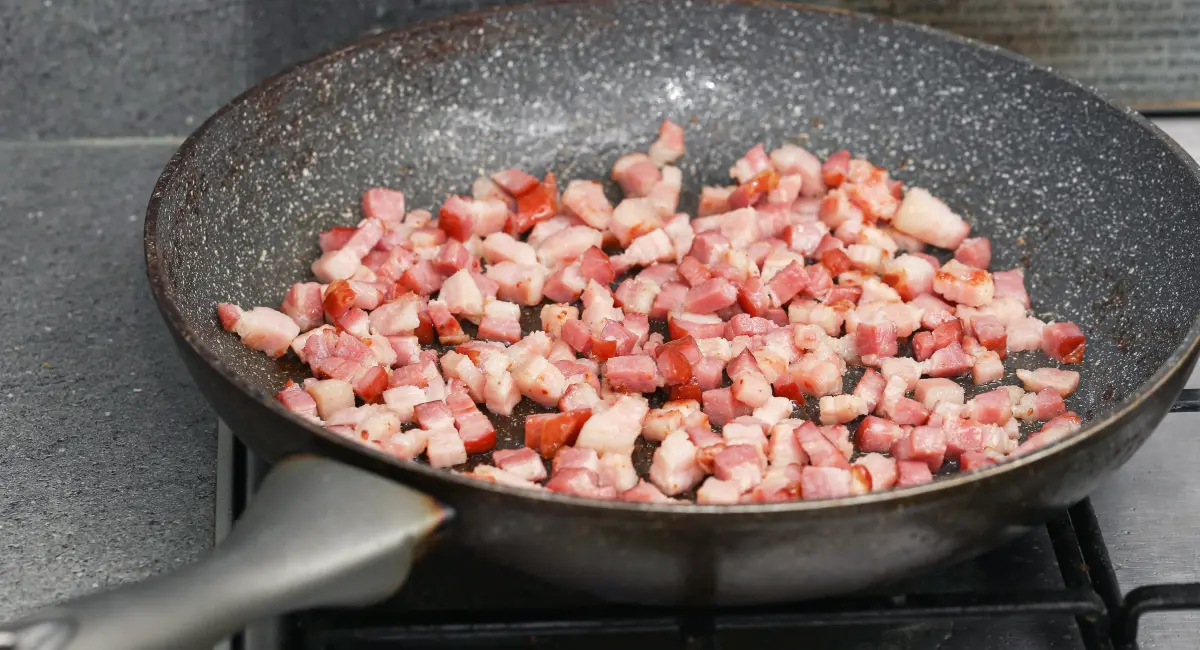
Greasy food residue, meat scraps, pet food, and even cheese can attract protein-seeking ants. If you've ever seen ants carrying away a crumb that seems impossibly large for their size, it was probably a protein-rich morsel they deemed worth the effort.
Everyday pantry staples
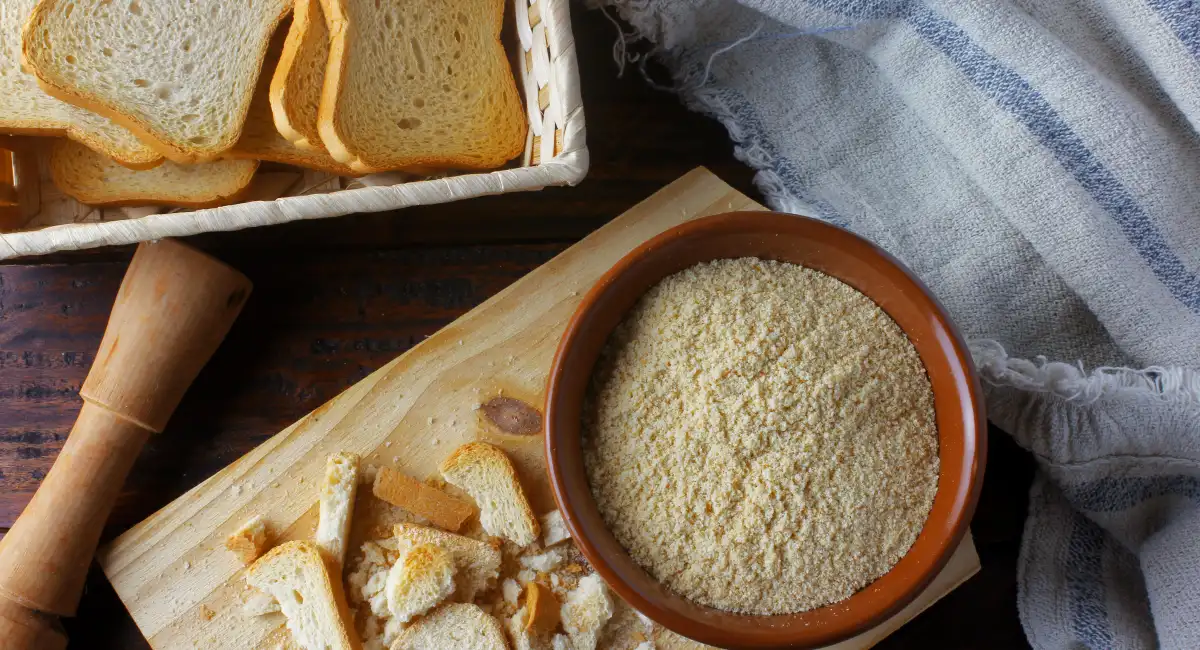
Breadcrumbs, pasta, rice, cereal—these carbohydrate-rich foods provide sustained energy that keeps ant colonies thriving.
Even small amounts that fall behind the toaster or get swept into corners can sustain a colony for days. Pet food is another major lure, whether it's kibble left in a bowl all day or wet food that sits out after your cat walks away from breakfast.
Water
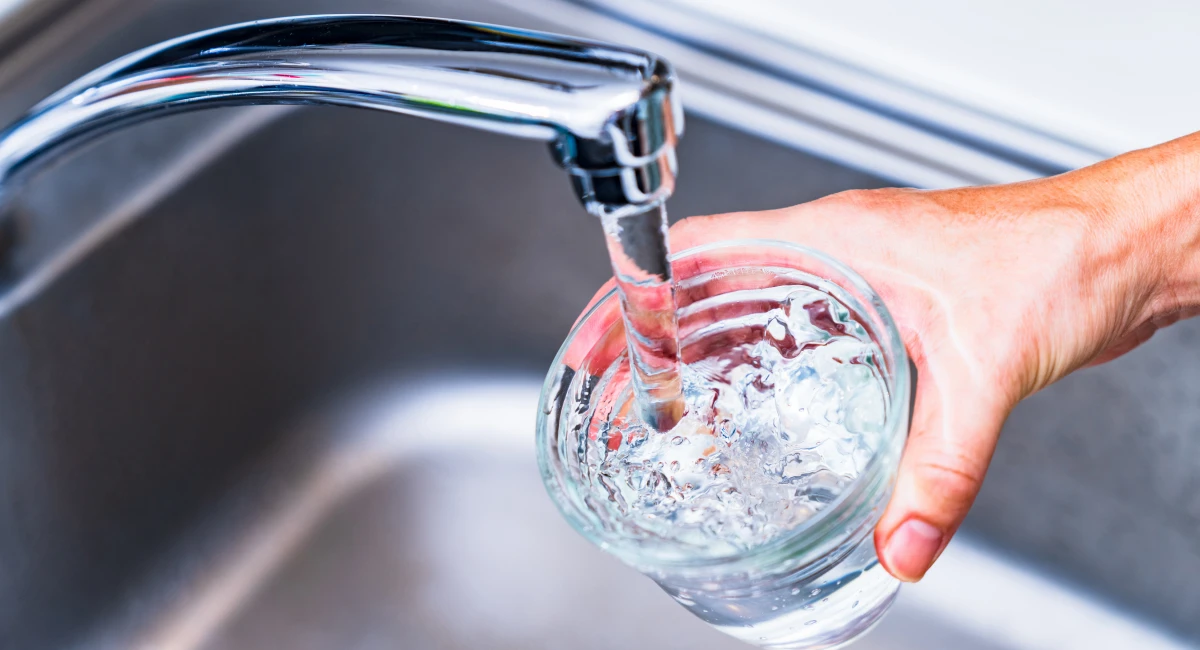
We often think of ants as being after our food, but water is just as critical to their survival, and they don't need much of it. A dripping faucet, condensation on pipes, or even a damp bath mat can provide enough water for an entire colony.
Bathrooms and kitchens are prime targets because they offer reliable moisture sources. You might notice ants near sinks, around the base of toilets, or trailing along bathroom tiles after someone showers. Carpenter ants take this attraction further; they're specifically drawn to wood that's been softened by water damage, where they excavate their nests.
Basements and crawl spaces with humidity problems can also become ant havens, especially during dry weather when outdoor water sources are scarce.
Salt
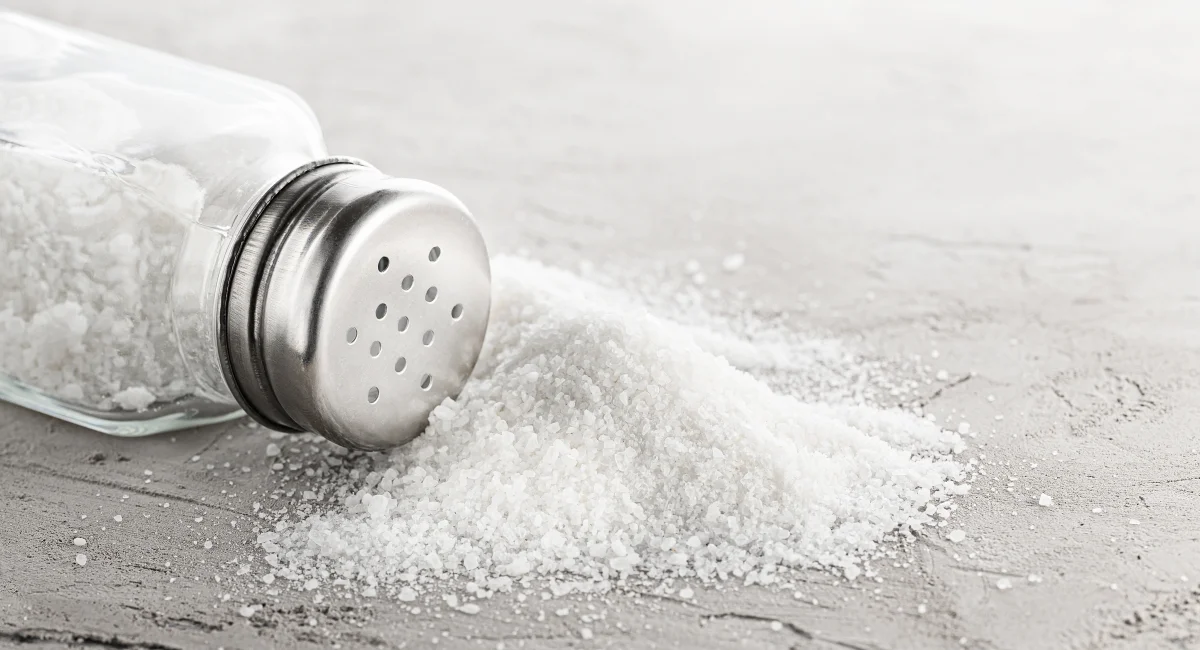
Here's something that surprises most people: some ants actually prefer salt over sugar. Research has shown that ants living far from coastal areas or those with limited access to other insects in their diet are more likely to seek out sodium.
If you've ever seen ants swarming around a salty snack or even a salt shaker, this explains why. Like all animals, ants need salt to maintain proper bodily functions, and when it's scarce in their environment, they'll actively hunt for it.
What about artificial sweeteners?
If you're thinking about using artificial sweeteners to trick ants, save yourself the trouble. Ants aren't attracted to artificial sweeteners because these substances don't contain the actual calories and carbohydrates they need.
This also means that the old home remedy about using artificial sweetener as an ant poison doesn't work, because the ants were unlikely to eat it in the first place.
How ants find their way inside
Ants are remarkably good at exploiting tiny vulnerabilities in your home's defenses, and they don't need much of an invitation. A crack in the foundation barely visible to the human eye is more than enough. They'll slip through gaps around window frames, follow utility lines through walls, and squeeze under doors with worn weather stripping.
Sometimes the problem starts outside. Overgrown vegetation touching your house creates a bridge for ants to cross from yard to home.
Tree branches hanging over your roof give them easy access to your attic. Even firewood stacked against the house can harbor ant colonies that eventually make their way indoors.
Room-by-room ant attractions
Different rooms in your home offer different temptations, and ants are opportunistic enough to explore them all.
Your kitchen is “ant central”, with its combination of food preparation, storage, and the occasional spill or forgotten crumb. But ants don't limit themselves to one room. Bathrooms attract them with moisture and sometimes personal care products that contain sweet-smelling ingredients. Bedrooms might seem like an unlikely spot, but eating in bed or keeping a water glass on the nightstand can draw scouts.
Living rooms with houseplants can harbor ants, especially if those plants have aphids or other pests that produce honeydew—a sweet substance ants love.
Even your laundry room isn't safe if you have moisture issues or store pet food there.
Keeping ants away from your home
Once you understand what attracts ants, you can take steps to make your home less appealing, and it starts with being strategic about the basics:
- Be meticulous about food storage using airtight containers
- Clean up spills immediately, even if it's just a few drops of juice
- Don't leave dirty dishes in the sink overnight, and make sure your garbage cans have tight-fitting lids
- Address any moisture problems promptly by fixing leaky faucets, wiping down wet surfaces, and using dehumidifiers in damp areas
- Make sure your home has proper ventilation, especially in bathrooms and basements
- Seal up entry points by caulking cracks, installing door sweeps, and repairing damaged screens.
- Keep vegetation trimmed back from your house and store firewood away from the foundation
- Regular cleaning disrupts the chemical trails ants use to navigate, making it harder for them to establish routes through your home.
Need more detailed help on keeping these pests out? Check out: How to get rid of ants from your home.
When to call in the professionals
Sometimes, despite your best efforts, ants persist; that's when professional help makes all the difference. Different species require different treatment approaches, and identifying exactly which type of ant you're dealing with matters.
Ehrlich's trained technicians can identify your specific ant problem, locate where they're nesting, and develop a targeted treatment plan that addresses both the ants you see and the colony you don't. We'll also help you identify the conditions that attracted them in the first place and recommend changes to prevent future invasions.
Because at the end of the day, the best ant problem is the one that never happens.
Schedule your free pest inspection today
Get peace of mind knowing your home or business is protected. Our technicians will assess your property and recommend customized solutions.
Book your free pest inspection today
Our local technicians will assess your property and recommend tailored solutions. Fast, friendly, and completely obligation-free.
- Targeted treatments applied safely and responsibly
- Local experts, fast response
- Trusted, trained technicians