Temps and termites are on the rise. Schedule your free inspection today.

800-837-5520 Call us for a free quote Contact us

Where do bed bugs hide?

Common bed bug hiding spots include mattress seams, box springs, bed frames, and upholstered furniture — but as an infestation grows, they can spread much further into your home.

Quick overview

  • Bed bugs prefer warm, dark spots close to where you sleep — mattress seams, headboards etc.
  • As an infestation grows, they spread to furniture, baseboards, electrical outlets, and other spots
  • Luggage left near sleeping areas is a common point of entry
  • Early signs include blood stains on sheets, dark fecal spots, shed skins, and a musty odor


Bed bugs are small, but they're remarkably good at staying out of sight. If you've woken up with unexplained bites or spotted tiny rust-colored stains on your sheets, you might be wondering where these pests are actually living. The short answer: closer than you'd think. 

Below we outline the most common spots where our bed bug exterminators look for signs of bed bugs in a property.

Why bed bugs always start in the bedroom

It's no coincidence that these pests share a name with your bed. Bed bugs feed on human blood, and they want to be as close to their food source as possible. That makes the bedroom almost always ground zero.

The most common hiding places include:

  • Mattress seams and piping — The folds and stitching along the edges of a mattress are ideal. Bugs tuck in here and are rarely disturbed
  • Box springs — The underside is dark, undisturbed, and full of crevices. It's one of the first places a technician will check.
  • Bed frames and slats — Wooden frames offer plenty of joints and gaps. Screw holes, corners, and rough surfaces all give bed bugs somewhere to grip and hide.
  • Headboards — Especially those mounted directly to the wall. The gap between the headboard and the wall is a classic spot.

Struggling with bed bugs?

Call now to book your free inspection.

Where else do bed bugs live in your home?

When they're not feeding, bed bugs retreat to dark, warm, undisturbed places. As an infestation grows, they spread outward from the bed into the rest of the room and beyond.

Brown upholstered sofa with striped cushions in a living room

Sofas, chairs, and other upholstered furniture

Couches, recliners, and upholstered chairs are prime real estate for bed bugs, especially if you regularly sleep or nap on them. Check the seams, cushion folds, and the underside of the frame. A bed bug in a sofa is more common than most people realize.

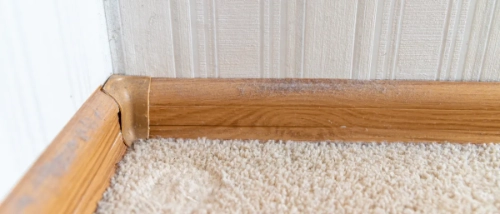
A dusty wooden baseboard

Behind baseboards, outlets, and in floors

Bed bugs can work their way behind baseboards, into cracks in hardwood floors, and around electrical outlets and light switch plates. They use these routes to travel between rooms, which is why infestations in apartments can spread from unit to unit through shared walls.

Sheer white curtains blowing in front of a window

Curtains, throw pillows, and soft furnishings

The folds of curtains that hang close to a bed or sofa can harbor bed bugs, particularly near the hem where fabric pools on the floor. Throw pillows and decorative cushions are also worth checking.

Hands placing luggage in an overhead compartment on a plane

Luggage, bags, and personal belongings

Suitcases, backpacks, and bags left near sleeping areas can become unintended transport. This is one of the main ways bed bugs travel from hotels into homes. After any trip, inspect your luggage before bringing it inside.

Can you spot bed bugs on your own?

Yes, and the moment you do, you should call the professionals. Bed bugs are nocturnal and actively avoid light, so during the day they retreat deep into cracks and crevices where they're nearly impossible to spot without training and the right tools. 

A quick check can help you catch early signs — shed skins, dark fecal spots, or blood stains on bedding. But confirming the extent of the problem and treating it properly really does require professional help. 

Our pest control methods use a combination of visual inspections, passive and active detection devices, and, in some locations, canine scent-detection. The aim is to find bed bugs wherever they're hiding – and eliminate them at their source.

 

Need help with bed bugs?

We offer free inspections, and our technicians will assess your home, identify where the bugs are living, and recommend the right course of action. If you think you have bed bugs, don’t let them spread: Call us now, or click the button below.

Frequently asked questions

During daylight hours, bed bugs retreat into dark, tight spaces close to where people sleep or rest. Mattress seams, box spring interiors, bed frame joints, and gaps behind baseboards are all typical daytime bed bug hiding spots.

They can, though it's less common than in mattresses or furniture. Look along the edges of the carpet near baseboards, as this is where they're most likely to be.

If you manage a commercial property, you know pest problems can impact your reputation and your bottom line. See how Ehrlich helps protect your business.

Enjoy protection from 39 of the most common household pests with our annual residential pest control program, PestFree365+.