© 2026 Rentokil Initial plc and subject to the conditions in the legal statement.
Updated on: June 26, 2026
Quick overview
- Mosquitoes are attracted to red, orange, cyan, and black after detecting carbon dioxide
- Human skin emits a red-orange signal that mosquitoes can detect, regardless of skin tone
- Colors alone don't attract mosquitoes; scent cues like CO2 trigger their visual response
- Light colors such as white, green, and blue are less attractive to mosquitoes
- Wearing long sleeves, using EPA-registered repellents, and removing standing water all help reduce bites
If you feel like you're always the one getting bitten, you're not imagining it. Mosquitoes use a combination of cues to find their next meal, and, according to a 2022 study from the University of Washington, the color red is one of them.
There are several signals that alert mosquitoes to your presence: your breath, body odor, temperature, and now, visual color cues. You may be thinking, “Of course mosquitoes are attracted to red, it’s the color of blood.” But that’s not exactly the case.
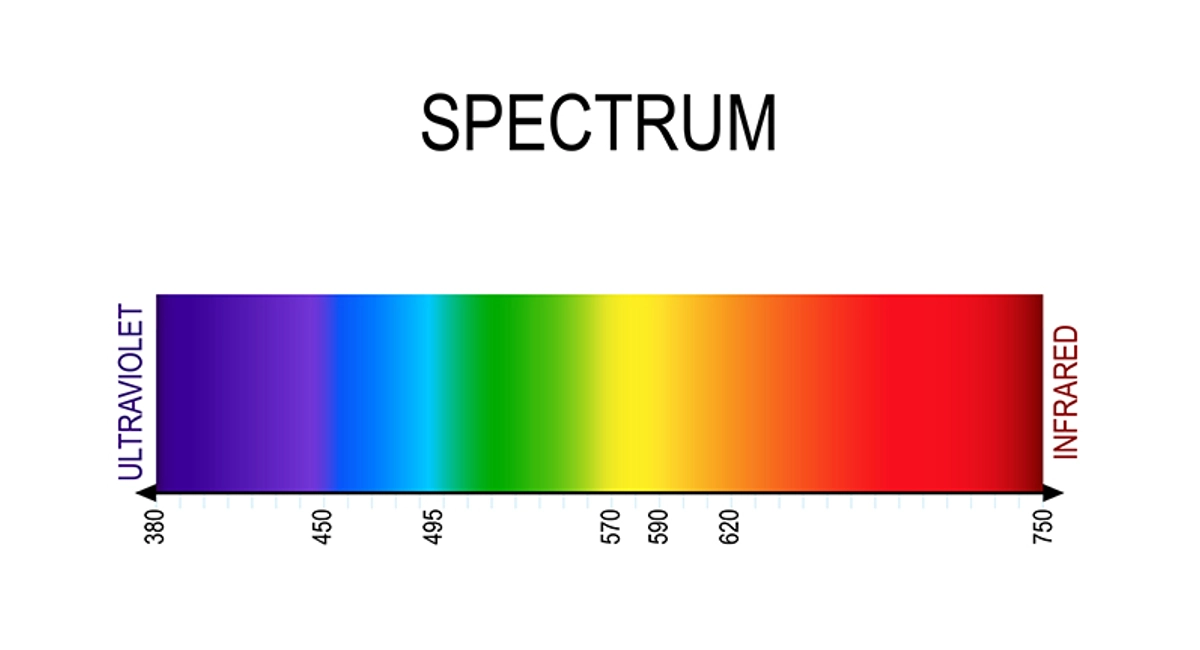
The study, published in Nature Communications, found that female Aedes aegypti mosquitoes flew toward red, orange, cyan, and black after detecting carbon dioxide (CO2) — but ignored violet, blue, green, and green-yellow entirely.
Understanding why mosquitoes are attracted to certain colors can help you make smarter choices about what to wear outdoors — and it can also help you decide when effective mosquito protection for you and your family may be needed around your home or property.
What colors are mosquitoes attracted to?
Mosquitoes don't just pick a target at random. Their attraction to certain colors is tied directly to their biology and how they hunt for a blood meal.
Dark colors, especially red, orange, cyan, and black, stand out to mosquitoes for a few reasons. Dark shades absorb and retain heat, which makes it easier for mosquitoes to detect a warm-bodied host. They also create contrast against the horizon, helping mosquitoes identify a silhouette they recognize as a potential meal.
Light colors, on the other hand, reflect heat and blend into the background. Mosquitoes are highly susceptible to dehydration, so bright, light environments may instinctively signal danger to them.
Why mosquitoes are attracted to red, orange, and cyan
Here's the key finding from the University of Washington research: color alone doesn't trigger a mosquito's response. It's only after they detect CO2 that their eyes begin scanning for specific colors. Without that scent cue, mosquitoes largely ignore color altogether.
Once CO2 is present, mosquitoes seek out long-wavelength colors — red, orange, and cyan. Human skin, regardless of pigmentation, naturally emits a strong red-orange signal to a mosquito's eyes. So even if you're wearing neutral clothing, your skin itself is already a visual target.
"The shade of your skin doesn’t matter, we are all giving off a strong red signature," said Professor Jeffrey Riffell of the University of Washington, senior author on the study.
What colors are mosquitoes less attracted to?
Mosquitoes have compound eyes that are sensitive to specific wavelengths of light. Their visual system is wired to respond to long-wavelength colors — the red-orange end of the spectrum — because those are the colors most associated with warm-blooded hosts.
It's a two-step process: first, they smell you (primarily through CO2), then they look for you. Color becomes relevant only once that olfactory trigger has fired. This is why color alone, without the presence of CO2 or other biological cues, doesn't significantly change mosquito behavior.
It's also worth noting that the University of Washington study focused primarily on Aedes aegypti — the yellow fever mosquito. Other species, including the southern house mosquito and Anopheles stephensi, showed a preference for red-orange tones as well, suggesting this color sensitivity may be widespread across species.
How mosquitoes find humans
Color is just one piece of the puzzle. Mosquitoes use a layered system of cues to zero in on a host, and most of them are things you can't easily control.
Breath and carbon dioxide
Every time you exhale, you release CO2, which mosquitoes can detect from up to 100 feet away. This is the primary trigger that activates their hunting behavior, including their response to color. It also signals that we are alive and our body contains blood - the required food source for female mosquitoes. The more active we are, the more CO2 we release into the air.
Body odor
Body odor is a more complex cue. The bacteria on your skin, your genetics, and even what you eat can all influence how attractive you are to mosquitoes. One 2011 study found that body odor can either be an attractant or a repellent for mosquitoes. If you have a close relative who always attracts mosquitoes, you may be genetically predisposed to attract them as well. There have also been studies that show beer drinkers and pregnant people tend to be more attractive to mosquitoes.
Body temperature
Mosquitoes are also sensitive to body heat. A human’s temperature differs from other creatures’, so mosquito species that prefer human blood can pick up on this difference. Using heat-sensing receptors in their antennae, they can home in on exposed skin, even in cold weather, where your body heat creates a contrast against the surrounding environment.
The cues that we give off seem to be fundamental to mosquitoes’ success in finding a blood meal. The more we learn about mosquito biology, the more successful we will be at combating these disease-carrying pests. Similarly, we’ll be able to discover innovative ways of stopping them for good. Mosquito protection is a multi-faceted approach, and since we can’t hold our breath forever, we can reduce other cues we naturally produce and reduce our chances of being bitten.
What colors should you wear to avoid mosquito bites?

Based on the research, wearing light-colored clothing is a sensible step during mosquito season. White, pale green, light gray, and similar shades are less visually stimulating to mosquitoes than red, orange, black, or cyan.
Does it make you invisible? No. A mosquito that has already detected your CO2 and body heat will still find you. But wearing lighter colors may mean you're not the first person they target, especially if you're outdoors with others.
How to reduce your chances of being bitten
Clothing color is a useful tool, but it works best as part of a broader approach to mosquito bite prevention.
Cover exposed skin
Even if it’s warm outside, wearing long sleeves and pants will add an extra layer of protection. You can also treat the exterior of your clothing with permethrin, or choose clothing that's been pre-treated for insect resistance, for added defense.
Use mosquito repellent safely
Wearing an EPA-approved mosquito repellent containing DEET, picaridin, or oil of lemon eucalyptus can help keep mosquitoes away while you’re enjoying the outdoors. Always follow the label instructions carefully. For more guidance, the U.S. Centers for Disease Control and Prevention provides up-to-date advice on using insect repellents safely and effectively.
Protect pets from mosquito bites
Mosquitoes can pose health risks to pets too, including heartworm and West Nile virus. Talk to your veterinarian about the best options for your pet before purchasing any over-the-counter product.
WARNING: Never use a product that isn’t specifically formulated for your pet. DEET and citronella are toxic to pets. Essential oils can be, too. What’s approved for human use may be toxic for your cat or dog.
Mosquito prevention for your yard

Your yard plays a big role in how many mosquitoes you're dealing with. A few simple changes can make a real difference.
- Eliminate any standing water. Just a tablespoon of water can provide the ideal breeding ground for mosquitoes. Check gutters, birdbaths, plant saucers, and any containers that collect rainwater.
- Start monthly mosquito treatments early in the season to reduce mosquito populations in and around your yard.
- Trimming back vegetation and keeping your lawn trimmed short is also helpful. Mosquitoes rest in shaded, overgrown areas during the day, so reducing that habitat limits their hiding spots.
- Some plants are said to have mosquito-repelling properties — basil, catnip, lemon balm, and rosemary are commonly cited. Their effect is limited on their own, but they can be a pleasant addition to a broader prevention strategy.
Reducing mosquito populations around your home

Personal protection steps go a long way, but they work best when combined with professional treatment that targets mosquitoes at every stage of their life cycle. Ehrlich’s mosquito control services include monthly barrier treatments that target eggs, larvae, and adult mosquitoes around your property.
Starting treatments early in the season, before mosquito populations peak, gives you the best chance of keeping your yard comfortable all summer long. Don’t take risks. Contact Ehrlich today and relax pest-free all season long.
See how Ehrlich can provide relief from mosquito infestations.
Schedule your free pest inspection today
Get peace of mind knowing your home or business is protected. Our technicians will assess your property and recommend customized solutions.
Book your free pest inspection today
Our local technicians will assess your property and recommend tailored solutions. Fast, friendly, and completely obligation-free.
- Safe, targeted treatments
- Local experts, fast response
- Trusted, trained technicians