Temps and termites are on the rise. Schedule your free inspection today.

800-837-5520 Call us for a free quote Contact us

Food safety regulations for pest control

Ever-tightening policies and regulations today make it essential for companies handling food to take appropriate measures for the prevention, early detection, and control of pests in food and food supplies.

Whether you’re managing a food production facility or a commercial kitchen, Ehrlich is your professional partner when it comes to controlling pest risks. We support compliance with industry best practice and statutory obligations, including:

  • Individual State Food Safety Act(s) and regulations
  • Hazard Analysis and Critical Control Points (HACCP)
  • FDA regulations and restrictions
  • Organic farming regulation and industry standards
  • Occupational Safety and Health Act


Food legislation for pest control compliance

Understanding food legislation for pest control is essential for maintaining a protected and compliant food production environment. Food businesses are legally required to have effective pest prevention and monitoring systems in place to reduce the risks of contamination. Compliance not only helps to protect your customers and reputation, but it also supports smooth inspections and audits.

Working with a trusted pest control partner like Ehrlich helps to ensure your facility meets federal, state, and local regulations while addressing pest problems in line with required safety standards.

A young woman and a man, wearing hair nets, consult a laptop in a professional food-related setting

Understanding U.S. food safety standards

Food safety regulations in the U.S. are designed to prevent contamination and ensure the highest hygiene levels in all food-handling environments. The FDA’s Food Code and Current Good Manufacturing Practices (CGMPs) set the foundation for pest control in food processing, storage, and distribution. These federal regulations require facilities to maintain clean conditions, seal entry points, and document pest control actions.

In addition to federal rules, each state may have its own food safety laws that reinforce local oversight. Food businesses must understand both federal and state expectations regarding food safety and pest control, ensuring their pest management program aligns with every level of regulation.

If you’re unsure where your facility stands, our team can guide you through compliance with both federal and state requirements. Get in touch to find out more.

Got a pest problem? Don’t wait.

Every hour counts when pests are involved. Call now to book your free inspection.

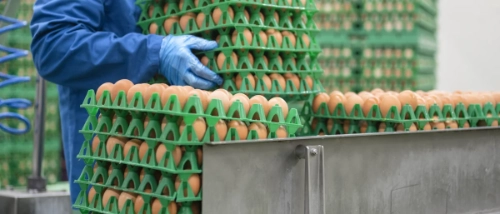
Fresh eggs on trays are sorted by a man in full gloves and a gown

Integrated pest management (IPM) in food facilities

A proactive pest management plan is key to meeting food safety standards. Integrated pest management (IPM) focuses on prevention, monitoring, and control using environmentally responsible methods. In food facilities, this means using non-toxic traps, exclusion techniques, and thorough sanitation to prevent pest infestations before they begin.

Ehrlich’s approach aligns with the principles of IPM. Our technicians inspect your facility, help identify vulnerabilities, and create tailored solutions that limit chemical use and support compliance with food safety and pest control regulations.

For long-term protection, IPM helps you maintain audit readiness and reduces the risk of contamination across food production and storage areas. 

Benefits of pest control for food safety audits

A strong pest control program supports successful food safety audits. Inspectors and auditors look for evidence that businesses are managing pest risks proactively and maintaining accurate documentation. Regular pest control visits and consistent record-keeping help to demonstrate compliance. 

We provide reports that verify monitoring systems, treatments, and follow-up actions, all of which are aligned with relevant food safety standards. For multi-site operations, we can standardize audit reporting across locations to meet FDA and HACCP requirements.


Quality and audit standards

  • GMP – Good Manufacturing Practice (FDA 21 CFR Part 110)
  • HACCP - Hazard Analysis & Critical Control Point
  • QS - Quality and Safety

Our experts can advise you on the use of appropriate monitoring or non-toxic systems in highly sensitive production and storage areas where the use of poisonous bait for rodent control is not permitted.


Documenting pest control for compliance

Accurate documentation is essential for demonstrating regulatory compliance. Food businesses must maintain up-to-date records of pest monitoring, control measures, and technician visits to ensure compliance with regulations. These records serve as proof during audits and inspections that pest risks are being effectively managed.

Ehrlich provides detailed service reports, trend analyses, and digital logs that help you stay compliant and trace all activity related to pest control. Proper documentation helps to satisfy auditors and also supports continuous improvement in your facility’s hygiene standards.

Explore our commercial pest control services for more information.

Frequently asked questions

The FDA requires all food facilities to follow good sanitation practices and document pest control measures. Pest control must be ongoing and managed in a way that prevents contamination of food or food-contact surfaces. For specific requirements, visit the FDA website.

OSHA regulations focus on worker safety during pest control activities. Employers must ensure that pest control methods and materials are applied safely, using appropriate protective equipment and providing staff with adequate training.

Food handlers should report any signs of a pest infestation immediately and refrain from using affected areas or equipment until they have been inspected and treated.

Find your local branch

For multi-site customers we offer a dedicated key accounts team with a single point of contact for consistent and efficient service.