© 2026 Rentokil Initial plc and subject to the conditions in the legal statement.
Updated on: 28th August 2026
Quick overview
- Never burn, flood, or hit a wasp nest with a bar — these methods are dangerous and ineffective
- Disturbing a nest can trigger mass attacks, especially risky for those with sting allergies
- Early spring nests are easier to treat; late summer colonies are larger and far more aggressive
- Professional wasp nest removal is always the best option
Summer is here, which means longer days, shorter nights and more time spent outdoors with nature! That sounds great, but it can become a nightmare if you happen to have a problem with wasps.
The presence of a wasp’s nest can sometimes lead to property owners taking matters into their own hands and trying to remove a wasp nest themselves instead of contacting a wasp control company.
No matter how much you think you might know about removing wasp nests, it is always advisable to call in the professionals to get the help you need. A professional pest control company like Ehrlich will be able to safely remove wasps and help prevent the stinging insects from returning.

Wasp nest removal mistakes
There are many sources online advising on the best DIY methods to remove a wasp nest. Wasps are aggressive creatures and require little to no motivation to sting, so trying to remove a wasp nest yourself can cost you both financially and physically.
Remember: DIY wasp nest removal is not advised!
1. Burning the nest
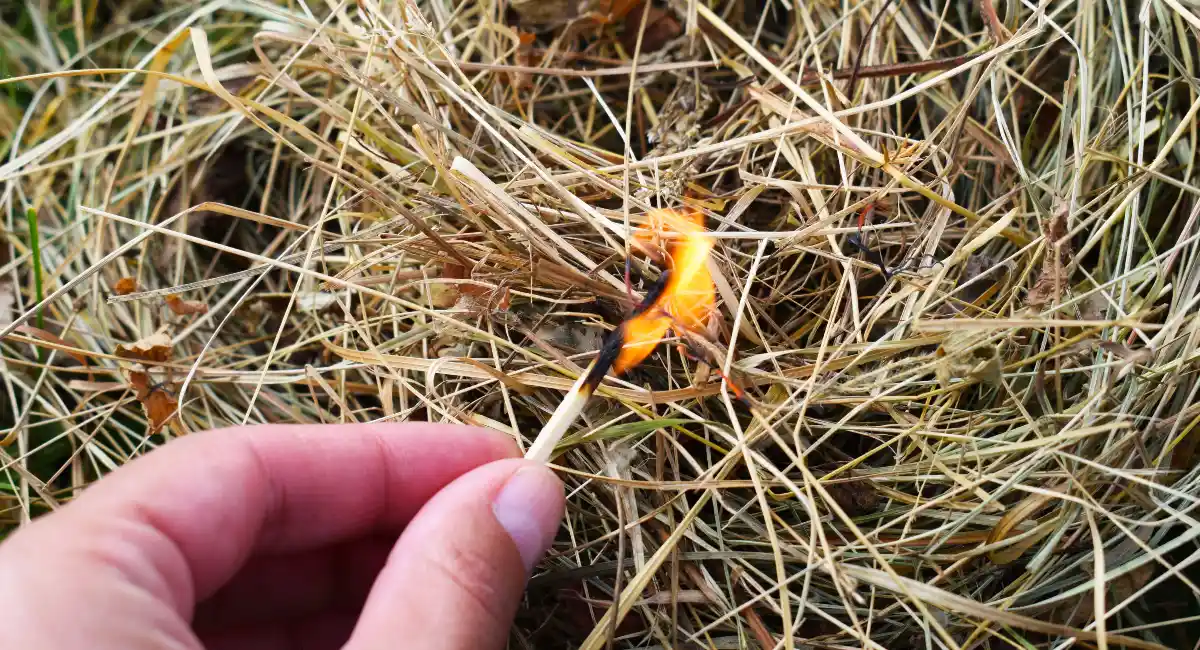
Using fire to remove a wasp nest is very dangerous and not usually a successful way to eradicate the wasps.
Wasp nests are made from a thin papery substance produced by chewing wood into a pulp, making it extremely flammable. Because of this, burning a wasp nest can often lead to not only the property catching fire, but also painful burns.
Another problem with burning a wasp nest is that it is not an effective way to control a wasp problem, because it doesn’t kill all the wasps. It can lead to the remaining wasps in the nest becoming violent, as well as the wasps foraging for food, resulting in them attacking you and any bystanders.
2. Spraying or hosing down the nest with water
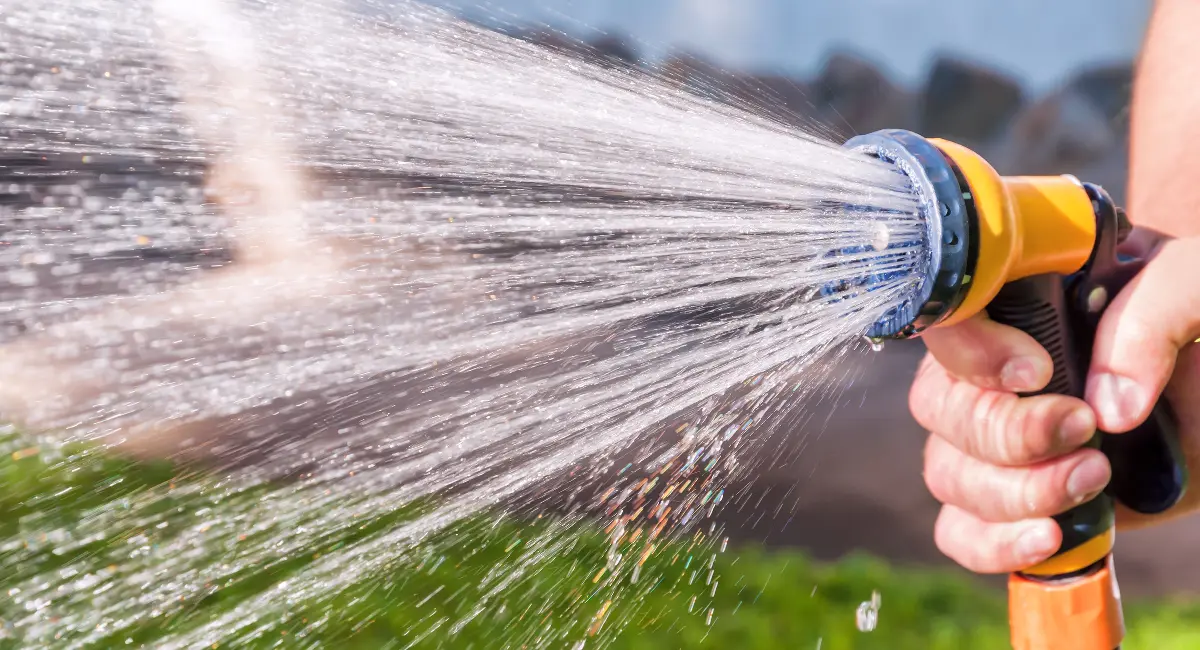
Water is often regarded as another effective way to get rid of a wasp nest. The truth is that flooding a wasps nest isn’t an effective method at all. This is because:
- Depending on the location of the nest, using water to remove a wasp nest can result in further damage to your property. For example, if the wasp nest is your attic, trying to remove a wasp nest by flooding it could cause water damage to your attic beams, ceiling and walls.
-
Trying to flood a nest won’t get rid of all the wasps inhabiting the hive either. Similar to the effects of trying to burn a wasp nest, the wasps will become vicious and begin to attack, inflicting painful stings.
3. Hitting the nest with a baseball bat
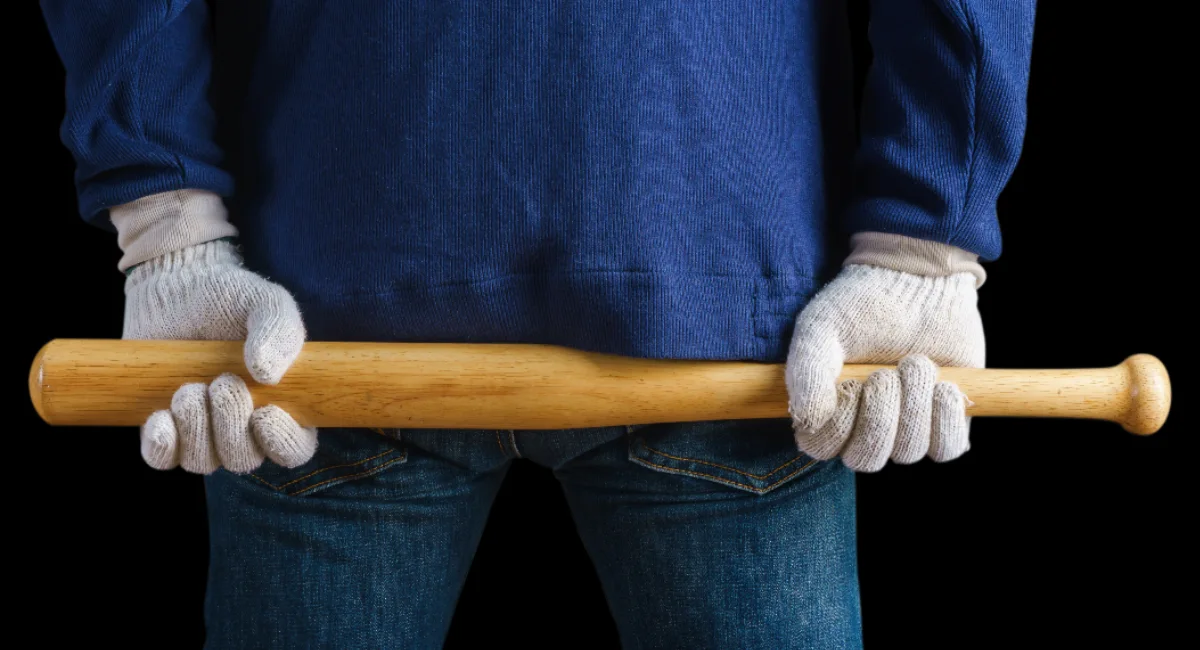
Destroying a wasp nest with a bat, racket or any other item is another method some ill-advised folks have tried to use to remove wasp nests. To be honest, this is easily the least intelligent idea for removing a wasp nest yourself.
Trying to remove a wasp nest by destroying it with a baseball bat will put you at direct risk of getting stung, not only once but multiple times. This can be particularly dangerous if you are allergic to wasp stings as you could go into anaphylactic shock.
This method of DIY wasp nest removal puts you in close proximity to the hive, which is often enough aggravate them to trigger an attack. Trying to remove a wasp nest using a baseball bat can often result in being stung before the task has started. Wasps will attack en masse anything perceived as a threat or invader and once you approach them, they are already in attack mode. Hitting the hive just makes it clear you are a threat and triggers the alert for swarming.
When is it safe to remove a wasp nest?
Wasp nests should always be treated and removed by a trained technician. Even a small or seemingly quiet nest can trigger an aggressive defensive response if disturbed, and without the right protective equipment and treatment methods, the risk of stings is significant.
That said, timing does affect how difficult and dangerous a nest is to deal with. Early spring nests are generally smaller and easier to treat. By late summer, colonies can house hundreds of wasps and are at their most defensive.
The longer a nest is left, the harder it becomes to manage. Calling in the experts sooner rather than later is always the better move.
Correct ways to get rid of wasp nests
The best way to remove a wasp nest is contacting a pest control professional. It may seem like an easy job, but a pest control technician is professionally trained to handle and remove wasp nests in a safe and efficient manner, and here’s why:
- Safety equipment: An exterminator has access to personal protective equipment (PPE) and respiratory protective equipment (RPE). This fully protects them from wasp stings, ensuring their safety when removing a wasp nest.
- Working in small spaces: Pest technicians are trained, and qualified to work in small spaces such as your attic. This allows them to successfully remove a wasp nest safely.
- Expert knowledge: A pest control professional has expert knowledge on wasps; they know all about their behavior and reactions as well as how to identify the signs of an allergic reaction to wasp stings.
- Professional products: Wasp Technicians have access to, and are professionally trained to use a variety of pest control products not available to the public. These products are more powerful than any DIY products on the market and have a proven track record of successfully removing wasp nests.
How to prevent wasp nests
Following the steps below can help prevent wasps from building their nest in your home and/or garden:
- Carry out regular maintenance around your home to ensure all cracks and potential entry points are sealed;
- Install screens on windows and doors to prevent wasps from entering your home;
- Keep your yard clear of food scraps and sugary drinks — both are guaranteed to attract foraging wasps.
Wasp nest extermination: when to call a professional
If you've spotted a wasp nest on your property, the answer is simple: now’s the time to call a professional. Once the colony has been dealt with, they'll remove the nest and advise on steps to help prevent wasps from returning.
Spotted a nest? Don’t touch it. Call us or fill out the form below so we can contact you.
Schedule your free pest inspection today
Get peace of mind knowing your home or business is protected. Our technicians will assess your property and recommend customized solutions.
Book your free pest inspection today
Our local technicians will assess your property and recommend tailored solutions. Fast, friendly, and completely obligation-free.
- Safe, targeted treatments
- Local experts, fast response
- Trusted, trained technicians