© 2026 Rentokil Initial plc and subject to the conditions in the legal statement.
Updated on: June 26, 2026
Quick overview
- Florida mosquitoes thrive year-round thanks to the state's heat, humidity, and standing water.
- Florida is home to around 80 mosquito species, and roughly 20 of them can spread disease.
- In 2023, Florida confirmed the first locally acquired malaria cases in the U.S. since 2003.
- Only Anopheles mosquitoes spread malaria, and you cannot catch it from another person.
- Removing standing water, using EPA-registered repellent, and ongoing mosquito control are your best defenses.
If you live in the Sunshine State, you already know that Florida mosquitoes are a year-round fact of life. The Sunshine State is known for its sunny weather and intense humidity, which is the perfect breeding ground for mosquitoes. For most of the year, mosquitoes in Florida are more than a backyard nuisance, and reports of locally acquired cases of malaria have raised public concern across the state.
The United States reported its first locally acquired cases since 2003 after confirming six cases in Sarasota, Florida, in the summer of 2023. The Florida Department of Health issued a statewide advisory on mosquito-borne illnesses. Florida took precautions, such as spraying the affected areas aerially and by trucks, to slow the spread of the disease. As a Florida resident, it's really important to educate yourself on the dangers of malaria, mosquito behavior, and how to keep yourself and your family protected from mosquito bites. Professional mosquito control services can also help reduce mosquito activity around your property and lower the risk of bites.
Are you worried about mosquitoes near you? Contact us today!
The dangers of malaria
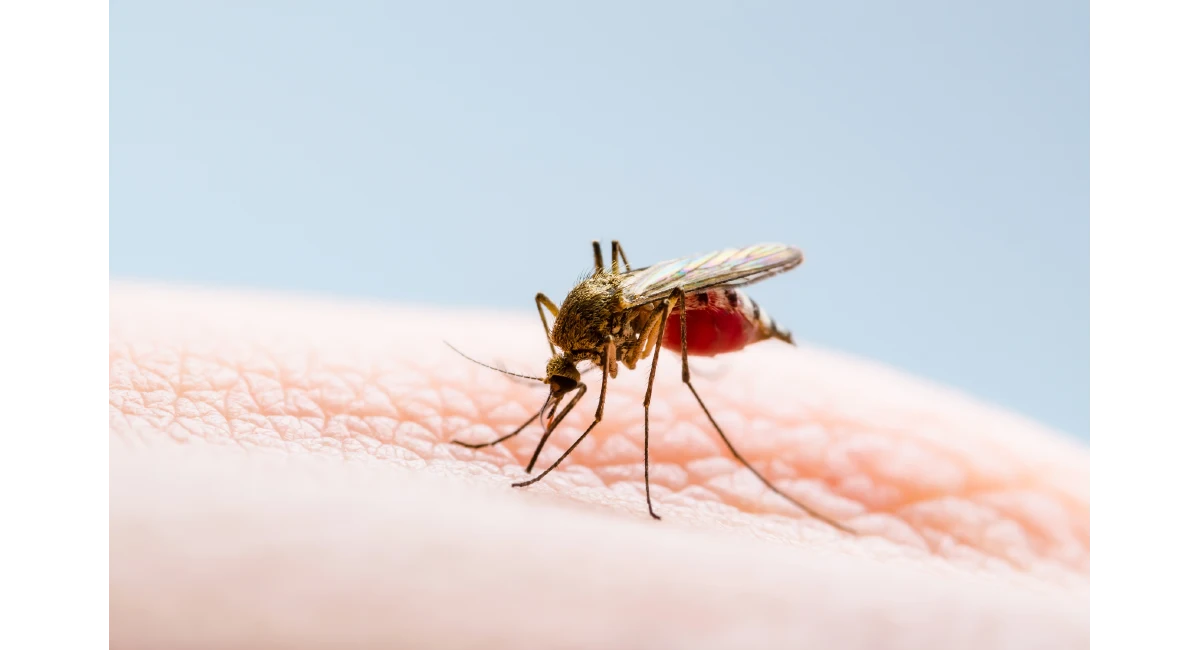
Malaria is a disease transmitted to humans through mosquito bites carrying the malaria parasite. Only the Anopheles mosquito is known to transmit malaria parasites. It is important to note that malaria cannot spread through human contact. The condition is usually found in people who have traveled outside of the United States. The recent confirmed cases were Plasmodium vivax malaria. Although it is less deadly than other types of malaria, it can still be life-threatening.
Globally, the World Health Organization estimates that around 282 million clinical cases of malaria occurred in 2024, and roughly 610,000 people died of malaria, most of them children in Africa. While the risk of locally transmitted malaria in the United States is low, taking precautions to reduce mosquito bites is still essential. The CDC recommends staying alert and taking simple steps to protect yourself from mosquitoes. It is worth noting that mosquitoes can also transmit several other illnesses, including West Nile virus, Zika, and dengue.

Symptoms of malaria
After being bitten by an infected mosquito, symptoms usually begin about 10 days after infection, although a person may feel ill as early as seven days or as late as one year later. This illness can be life-threatening and cause a drop in healthy blood cells, leading to conditions such as anemia or jaundice. Some common symptoms include:
- Fever
- Nausea
- Vomiting
- Sweating
- Chills
- Headache
- Muscle pain
The Florida Department of Health recommends that anyone who is experiencing these symptoms should seek immediate medical attention. If you are unsure whether your symptoms are serious, it is always better to check in with a healthcare provider early.
How many species of mosquitoes are there in Florida?
So, how many species of mosquitoes are there in Florida? The Florida Department of Health reports that the state is home to around 80 mosquito species, second only to Texas. Of the roughly 175 mosquito species found across the United States, Florida hosts close to half, and about 20 of them are capable of spreading disease to people or animals.
Not every mosquito is the same. They look different, bite at different times, and carry different risks. Here are the species Florida residents are most likely to run into.
Yellow fever mosquito (Aedes aegypti)
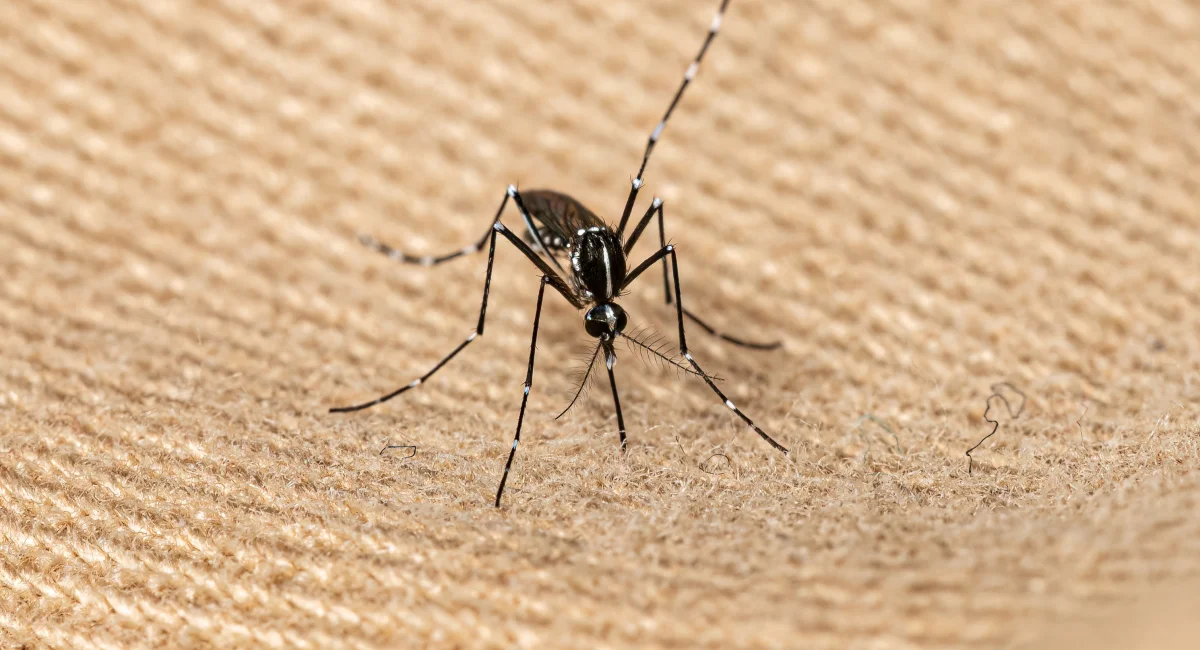
The Aedes aegypti is one of the most recognizable mosquitoes in Florida, with a dark body and white markings on its legs and back. It prefers to breed in small, man-made containers around the home, which makes neighborhoods and yards prime territory. This species is a known carrier of dengue, Zika, chikungunya, and yellow fever, and it tends to bite during the day.
Asian tiger mosquito (Aedes albopictus)
Named for the bold black-and-white stripes on its body and legs, the Aedes albopictus is found in every Florida county. Like its cousin Aedes aegypti, it lays eggs in containers and can spread dengue, Zika, and chikungunya. It is an aggressive daytime biter, so it often catches people off guard in the backyard or garden.
Black salt marsh mosquito (Aedes taeniorhynchus)
If you have ever wondered about the black mosquito in Florida that swarms near the coast, this is usually the one. The Aedes taeniorhynchus is a dark, persistent biter that breeds in salt marshes and mangroves and can fly long distances inland. It is a major summer and early-fall pest along the coast and can carry dog heartworm and Eastern equine encephalitis.
Southern house mosquito (Culex quinquefasciatus and Culex nigripalpus)
The southern house mosquito (Culex quinquefasciatus) and the closely related Culex nigripalpus are common across Florida and are mostly active at night. These species are linked to West Nile virus, St. Louis encephalitis, and dog heartworm, and they breed easily in water with high organic content, like ditches and catch basins.
Malaria mosquitoes (Anopheles)
Anopheles mosquitoes are the only group that can transmit malaria. Several Anopheles species live in Florida, and they typically bite at night. While locally acquired malaria is rare, the presence of these mosquitoes is exactly why health officials watch the state so closely.
Everything you need to know about Florida mosquitoes
Mosquitoes cause more deaths each year than any other animal on the planet. For context, there are about 3,500 mosquito species worldwide, and roughly 175 of them live in the U.S. Mosquitoes can be found all over the United States, but they tend to thrive all year round in Florida because of the hot and humid climate.
Mosquitoes in Florida can breed effortlessly in stagnant water and require only a spoonful of water to reproduce. Places like this can include gutters, flower pots, or anywhere rainwater is collected. Marshes, lakes, and pond banks are also common breeding grounds for malaria-spreading mosquitoes. Some species of mosquitoes tend to be most active during the hours of dusk and dawn, while other species are active during the day. That overlap is why there is no truly "off" time of day in Florida, and why ongoing prevention matters more than one-off fixes.
Mosquitoes are also drawn to a few things you cannot always control, including damp or humid areas, warm temperatures, shady spots, and the carbon dioxide in your breath. The good news is that the conditions you can control, mainly standing water and overgrown vegetation, make the biggest difference.
Other mosquito-borne illnesses to know about in Florida
Malaria gets the headlines, but it is not the only illness Florida mosquitoes can spread. The Florida Department of Health tracks several mosquito-borne diseases each year, including cases linked to both local transmission and travel. Here is a quick rundown.
- West Nile virus: Spread mainly by Culex mosquitoes. Most people show no symptoms, but in rare cases it can cause serious neurological illness, including fever, neck stiffness, and confusion.
- Zika virus: Carried by Aedes mosquitoes. It is a particular concern during pregnancy, since it has been linked to birth defects such as microcephaly.
- Dengue fever: Also spread by Aedes mosquitoes and one of the more frequently reported travel-related illnesses in Florida. Symptoms can include high fever, severe headache, and joint pain.
- Chikungunya: Another Aedes-borne virus that causes fever and intense joint pain, which can sometimes linger for weeks.
- Yellow fever: Historically tied to Aedes aegypti. It is rare in the U.S. today, but it remains part of why this mosquito is closely monitored.
- Eastern equine encephalitis (EEE): Rare but serious, EEE can cause brain inflammation and affects both people and horses.
Your pets are not immune either. Several Florida mosquito species can pass dog heartworm to dogs, which is one more reason to keep mosquito numbers down around the home.
Tips for preventing mosquito bites
There are a number of practical measures you can take to protect yourself from mosquitoes. Locally, the best way to reduce the risk of mosquito-borne disease is to eliminate mosquito breeding conditions. Below are some helpful tips that you can follow to protect yourself:
- Wear long-sleeved shirts and pants to reduce skin exposure
- Wear light-colored clothing
- Use EPA-registered insect repellent with an active ingredient like DEET, picaridin, IR3535, or oil of lemon eucalyptus, and follow the label
- Treat clothing and gear with permethrin (apply it to fabric, never to skin)
- Stay indoors during peak mosquito activity hours
- Drain any standing water in surrounding areas, including birdbaths, flower pot saucers, and pet bowls (refresh these a few times a week)
- Keep grass mowed and remove overgrown vegetation
- Seal all windows and doors with screens
- Add mosquitofish (Gambusia) to permanent ponds or water features to help control larvae naturally
One quick note from the experts: many "quick fix" gimmicks do not actually work. University of Florida researchers (UF/IFAS) note that sound-emitting devices show no evidence of repelling mosquitoes, and that bug zappers do not reduce mosquito numbers (they mostly kill other insects). Your time and money are better spent removing standing water and using a proven repellent.

Professional mosquito control in Florida
Taking precautions against mosquitoes is essential, but ongoing professional help can take the pressure off you. At Ehrlich, we offer professional mosquito control designed to reduce mosquito activity around your property. Our technicians will inspect your property to pinpoint areas with high mosquito populations and then apply a barrier treatment with EPA-registered products.
Our treatment is designed to interrupt the mosquito life cycle and help bring down the mosquito population.
Pairing professional treatment with the prevention steps above can meaningfully lower your risk of bites and the illnesses that come with them.
You do not have to share your yard with Florida mosquitoes all season. Contact Ehrlich today to schedule a free property inspection and let us build a treatment plan around your home.
See how Ehrlich can provide relief from mosquito infestations.
Schedule your free pest inspection today
Get peace of mind knowing your home or business is protected. Our technicians will assess your property and recommend customized solutions.
Book your free pest inspection today
Our local technicians will assess your property and recommend tailored solutions. Fast, friendly, and completely obligation-free.
- Safe, targeted treatments
- Local experts, fast response
- Trusted, trained technicians