© 2026 Rentokil Initial plc and subject to the conditions in the legal statement.
Quick overview
- Bed bugs are cold-blooded and can't survive extreme temperatures
- Heat treatment requires at least 120°F sustained for 90 minutes
- Cold treatment needs temperatures below 0°F for at least four days
- DIY methods work for individual items but can't treat a whole home
- Professional heat treatment is the most reliable option for active infestations
If you've ever wondered whether cranking up the thermostat or leaving infested items outside on a cold winter night will get rid of bed bugs, you're not alone. Temperature is one of the most searched topics when it comes to these persistent pests, and there's a lot of conflicting information out there. The short answer? Temperature can work, but the details matter a lot more than most people realize.
Why temperature affects bed bugs
Bed bugs (Cimex lectularius) are cold-blooded insects, which means they can't regulate their own body temperature. Their internal processes speed up or slow down depending on the environment around them. Push that environment to an extreme, and their biology simply can't keep up.
That vulnerability is what makes temperature-based treatment appealing. Unlike some chemical approaches, bed bugs cannot develop resistance to heat or cold. The challenge is reaching and maintaining the right conditions long enough to be effective across all life stages. Eggs, in particular, are significantly more resilient than adult bed bugs, which is why understanding the full picture of bed bug biology and behavior matters before choosing a treatment approach.
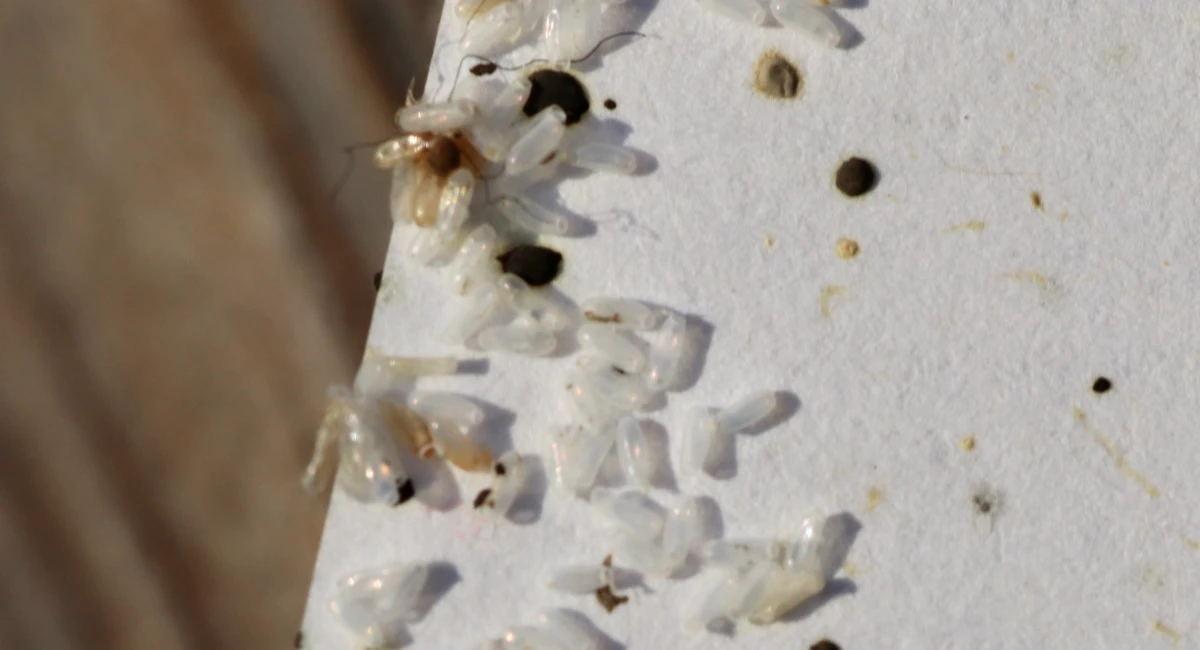
Heat: At what temperature do bed bugs die?
Heat treatment works, but only when it's done right. The science behind it comes down to two things: temperature and time.
The thresholds that matter
According to the U.S. Environmental Protection Agency, heat treatment requires reaching at least 120°F for 90 minutes to help ensure eggs are affected. Adult bed bugs and nymphs are generally less heat-resistant than eggs, but the exposure time and the temperature reached at the actual hiding spot, not just the air temperature in the room, are what determine effectiveness.
This is why professional heat treatment targets temperatures well above the minimum threshold. The goal is to ensure heat penetrates into mattress seams, wall voids, furniture joints, and every other place bed bugs hide, not just the open air of a room.
Why DIY heat methods have limits
Some DIY approaches do work for individual items:
- Clothes dryer: Running items on high heat for at least 30 minutes can be effective for clothing, bedding, and small fabric items as part of a broader treatment plan.
- Portable heat chambers: Designed for items like shoes, books, and bags, these can reach lethal temperatures when used correctly with a thermometer to verify internal heat.
What these methods cannot do is treat an entire room or home. Bed bugs hiding inside walls, behind baseboards, or deep in furniture will not be reached by a dryer or a portable chamber. And using space heaters or ovens to heat a room is not only ineffective but genuinely dangerous.
Cold: Can freezing bed bugs kill them?
Cold treatment is an option for bed bugs, but the conditions required are strict — and harder to achieve than most people realize.
At what temperature do bed bugs die from cold?
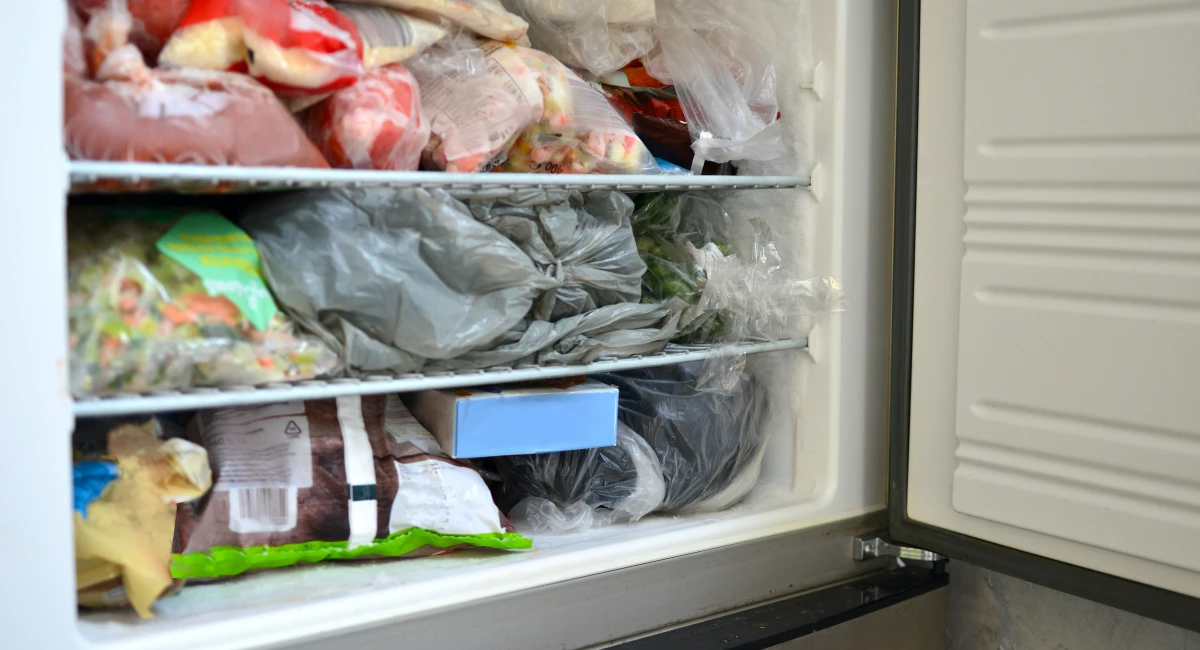
Cold treatment is possible, but the bar is high. The EPA states that temperatures below 0°F sustained for at least four days can help address some infestations. The key word is "sustained." Home freezers often fluctuate when doors are opened, and items placed inside may insulate the bugs from reaching the target temperature throughout.
For small, sealed items like pillows or stuffed animals, freezing can be a useful option, provided you verify the freezer actually reaches 0°F with a thermometer and leave items undisturbed for the full four days.
The limits of cold as a treatment
Ambient cold air, even in a very cold winter, is unlikely to be effective indoors. Interior spaces rarely drop to 0°F, and bed bugs are capable of seeking out warmer spots within walls and furniture when temperatures begin to fall. Leaving infested items outside on a cold night is also not a reliable treatment method. Cold treatment also tends to be slower and less consistent than heat.
Heat vs. cold: a practical comparison
Both approaches have a role, but they are not equal in practice.
Heat treatment:
- Faster acting when temperatures are reached correctly
- Penetrates deep into furniture and structural voids with professional equipment
- Effective against all life stages, including eggs, when properly executed
- Requires professional equipment for whole-room or whole-home treatment
Cold treatment:
- Useful for treating individual items that cannot be washed or heated
- Requires sustained, verified temperatures for multiple days
- Unreliable for whole-room treatment
- Home freezers may not be cold enough or consistent enough
Beyond heat and cold, there are also chemical and steam options worth knowing about. Our overview of bed bug treatment methods covers the range of approaches professionals use, and how they're typically combined for the best results.
What about hotels, apartments, and commercial properties?
Bed bugs are not just a residential problem. Hotels, multi-family housing, healthcare facilities, and offices all face real risks, particularly because bed bugs travel easily on luggage, clothing, and furniture. In commercial settings, a single missed infestation can spread quickly between rooms or units.
For businesses, the stakes are higher. A bed bug problem in a hotel or rental property can affect guest satisfaction, reputation, and compliance. Many property managers and facilities teams rely on commercial pest management programs that include regular monitoring and rapid response protocols to stay ahead of the problem.
When to call in a professional
DIY temperature treatments can play a supporting role, particularly for treating individual items or as part of a broader plan. But for an active infestation in a home or business, professional treatment is the most reliable path forward.
Professional bed bug control uses industrial-grade equipment to raise temperatures throughout an entire space, with sensors placed in multiple locations to verify that lethal conditions are reached everywhere, not just in the center of the room. This level of precision is what separates a successful treatment from one that leaves eggs behind to hatch and restart the cycle.
See how Ehrlich can help address bed bug infestations in your home or business.
Schedule your free pest inspection today
Get peace of mind knowing your home or business is protected. Our technicians will assess your property and recommend customized solutions.
Book your free pest inspection today
Our local technicians will assess your property and recommend tailored solutions. Fast, friendly, and completely obligation-free.
- Safe, targeted treatments
- Local experts, fast response
- Trusted, trained technicians