Temps and termites are on the rise. Schedule your free inspection today.

800-837-5520 Call us for a free quote Contact us

How to prevent and get rid of moths

Moths can be a real nuisance once they’ve made their way inside. But with the right steps, you can help stop them before they become a bigger issue. While DIY methods may offer short-term relief, a large or ongoing infestation often needs professional attention from a moth exterminator. Read on to learn how to eliminate moths and keep your belongings protected.


How to prevent moths

It can be difficult to prevent moths, but there are practical steps you can take to reduce the risk of an infestation.

To keep moths out, keep doors and windows closed or fitted with screens. Careful clothes storage will also help. Store clothes, linens, and fabrics in sealed containers or bags, especially if they’re not used too often. And clean out closets and cupboards regularly to remove dust and food crumbs that might attract moths.

Moth repellents and other DIY products should help reduce moth activity in targeted areas, but if you’re dealing with a large or repeat problem, calling in a moth pest control professional is the most reliable solution.

High risk areas for moth infestations

High-risk areas around your property, which are known to attract various moth species should be regularly inspected as part of an active prevention plan.

  • Underneath beds - especially in little used spare rooms.
  • Infrequently used cupboards, drawers, and wardrobes - clothes moths do not like light so are frequently attracted to darker areas which are usually undisturbed.
  • Lofts and attics - moths can be attracted to bird nests in eaves of homes.

Struggling with moths?

Call now to book your free inspection.

tips for getting rid of moths

Tips for getting rid of moths

If you're already seeing signs of moths around your home, there are steps you can take to help reduce their numbers. These tips are designed to help you get rid of moths in different parts of the house, which can be targeted by different species of moths. 

If you're dealing with a widespread or persistent moth problem, you may need help from a professional moth exterminator.

In the house

To help get rid of moths in your house, start by cleaning and removing anything that might attract them. Vacuum carpets, rugs, and soft furnishings regularly, paying close attention to edges and hidden spots. Change vacuum bags frequently to avoid spreading moth eggs and larvae.

Check for signs of damage in areas where you store fabrics or paper. Clean drawers, shelves, and corners with soap and water or a mild cleaner. Be sure to wash any infested items. For extra control, place moth traps in areas where you’ve seen activity.

In the kitchen

To get rid of moths in the kitchen, start by inspecting all dry food storage. Pantry moths are drawn to grains, cereals, nuts, and spices. Discard any infested packages and store food in airtight containers to prevent future access.

To get rid of pantry moths, clean shelves, corners, and cracks with warm soapy water. As a short-term option, moth repellents may be placed in cupboards to discourage moths from returning. However, our pest control service may be needed if the issue keeps coming back.

On Clothes

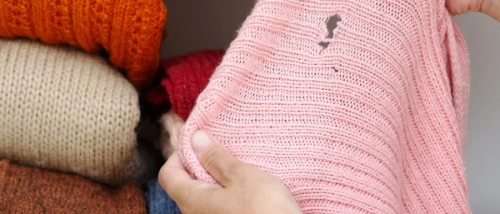
To get rid of clothes moths, begin by emptying your wardrobe or storage space. Wash or dry clean all clothes, including those you haven’t worn in a while. Regularly airing out and rotating clothes can also help reduce the risk.

Vacuum the space thoroughly and wipe down surfaces, especially cracks where moth eggs might be hiding. Webbing clothes moths are known for hiding in dark, undisturbed areas, so focus on corners and seams.
 

DIY methods

DIY solutions can play a part in managing minor moth issues. Many people turn to these when learning to exterminate moths, especially in the early stages of an infestation. However, it's important to know that these methods may not reach eggs or hidden larvae. For lasting results, or if the problem keeps coming back, working with us can help address the root cause.

Moth Repellents

Natural moth repellents include cedar, used in blocks, hangers, or sachets  – a common natural choice due to its strong scent. Lavender is also frequently used in dried sachets placed in drawers or closets. Other herbs, such as clove, thyme, and rosemary, may be stored in breathable pouches as a mild deterrent. These natural methods are often chosen as alternatives to chemical repellents, though their effectiveness can vary.

For a more powerful effect, chemical moth repellents are also available. Mothballs, which release fumes from chemicals like naphthalene or paradichlorobenzene, are designed to kill moths and larvae in sealed spaces but require careful handling due to potential health risks. When using chemical products, it's important to follow safety guidelines and consider the potential impact on people and pets in the home.

Professional moth pest control

Professional moth pest control is often the most effective way to deal with an ongoing or large-scale infestation. We offer a full range of solutions designed to help treat the issue and reduce moth activity.

Our effective treatment is suitable for eliminating moths, eggs, and larvae in delicate items that cannot be laundered. Prior to recommending a moth control solution, your technician will properly identify the moth species affecting your property. Different moth pest species require different treatment methods to help effectively control them.

Your technician will select a moth treatment method based on a number of factors: species, quantity of stored products, type of structure, etc.

To get rid of grain moths (Indian meal moths, Mediterranean flour moth, etc.) in homeowner accounts, non-chemical control methods (sanitation, better storage, low temperature/freezing) and spraying may be are used. For large-scale commercial accounts, fumigation is an effective option. At times, low-volume chemical treatments can also be effective. 

For the fabric moth pests, non-chemical methods e.g. vacuuming/sanitation, proper storage, and conventional materials e.g. liquid sprays and dusts are commonly used. Monitoring using various traps, including pheromone traps where applicable, is done thereafter to ensure moth problems do not persist.

Our moth extermination service includes

  • Our technician will call you to arrange a convenient time for a visit.

  • On arrival, our technician will explain the treatment process before commencing work.

  • We will highlight areas of infestation and where proofing is needed to prevent further problems, offering advice on prevention and addressing signs of moths to help protect your home.

  • After treatment, we will arrange follow-up visits, if they are required. This will vary with treatment types and infestation levels.

At Ehrlich, our technicians are skilled, experienced professionals and are required to participate in regular training programs to maintain their expertise. They understand the habits of each moth species and use that knowledge when developing a control program for you.

Call us free at 800-837-5520 to benefit from our range of moth pest control programs.

Need more help with prevention?

Call Ehrlich now at 800-837-5520 to schedule an inspection of your home or business.

Frequently asked pest control questions

Using a combination of deep cleaning, moth traps, and vacuuming is one of the most effective short-term actions. It's also important to wash or discard any infested materials. 

Moths are often drawn to food spills, natural fabrics, or stored goods. Dark, quiet spaces also make good hiding spots for clothes moths and pantry moths alike.

Vacuum the area and clean it with warm, soapy water. If the eggs return, it’s best to call in a technician to assess the full extent of the issue.

Some people use cedar or herbs like lavender as a moth repellent. 

Find your local branch

Start living pest-free today with PestFree365+. Ehrlich Pest Control protects your home from 39 different pests for the ultimate peace of mind.