© 2026 Rentokil Initial plc and subject to the conditions in the legal statement.
If you've ever spotted a bat swooping through the twilight sky, you've probably wondered about their nighttime habits. How long do these mysterious creatures stay out hunting? When do they leave their roosts, and when do they return?
When bats emerge and return
Generally, bats are most active between dusk and dawn, following a fairly predictable pattern. As evening approaches, bats start stirring inside their roosts—whether that's a cave, hollow tree, or your attic—before venturing out into the night.
Most bats leave their roosts shortly after sunset, typically within 30 minutes to an hour of dusk. They head out in search of food and water, with insectivorous species (which make up most bat species in the United States) hunting for moths, beetles, mosquitoes, and other flying insects.
Bats typically feed for about an hour or two, then return to their roost to rest and digest. After this break, many head back out for a second feeding session before daybreak. You'll most likely see bats leaving around sunset and returning in the early morning hours, just before sunrise.
The typical bat night schedule
While behavior varies by species and environment, a typical bat's night looks like this:
Sunset to early evening: Bats emerge from their roosts and begin their first hunting session. This is often the most active period, as they're hungry after sleeping all day.
Mid-evening: Many bats return to their roosts to rest, groom, and socialize. This break can last anywhere from 30 minutes to a few hours.
Late night to pre-dawn: Bats head out for a second feeding session. They return to their roosts as dawn approaches.
Daytime: Bats spend daylight hours roosting in secluded shelters, hanging upside down, sleeping, grooming, and interacting with their colony.
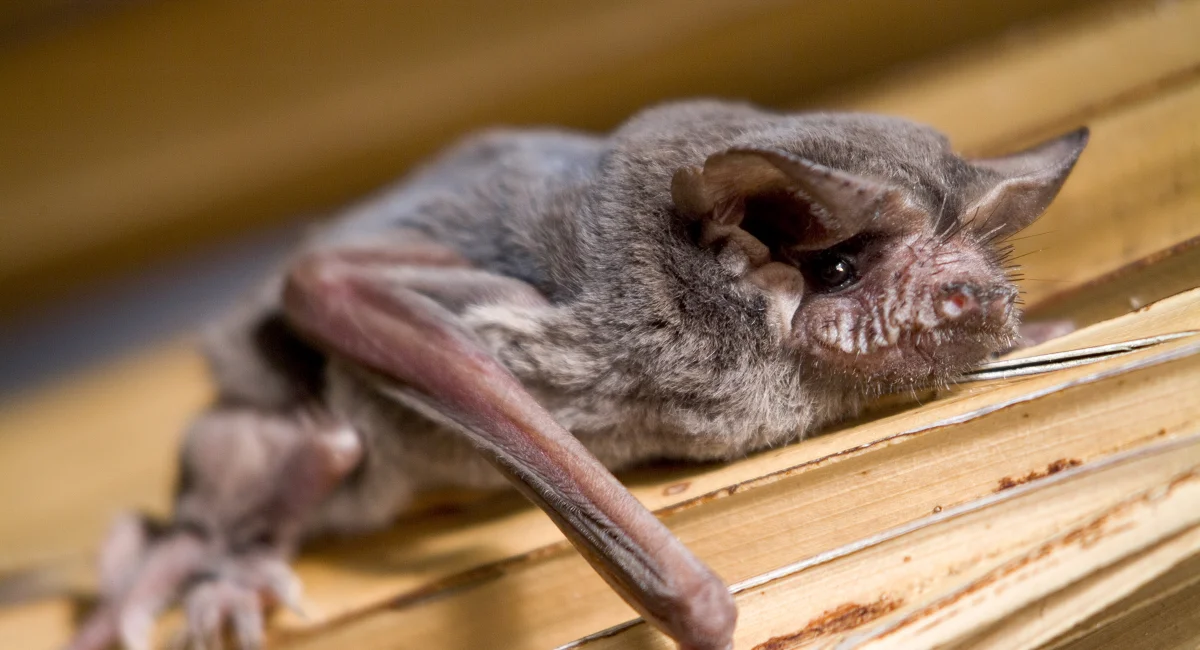
Why bats are nocturnal
About 40 species of bats live in the United States, and the vast majority are nocturnal. This nighttime lifestyle offers several evolutionary advantages.
Darkness provides protection from predators. Large birds of prey like owls and hawks can easily spot and catch bats during daylight, especially when bats leave their roosts. By operating under cover of darkness, bats significantly reduce their risk of predation.
Nighttime is also when many insects are most active. Since most North American bats are insectivorous, hunting at night puts them in direct contact with their primary food source. A single bat can consume hundreds or even thousands of insects in a single night, playing a crucial role in controlling pest populations.
Do bats avoid light?
Most bat species prefer darkness and stick to shadows to avoid predators, which is why artificial city lights can reduce bat activity in urban areas.
However, you may occasionally see certain bat species swooping around streetlights or porch lights. They're not attracted to the light itself; they're feeding on the insects that gather around the glow. These opportunistic feeders have learned that lights concentrate their prey in one convenient location.
Different species can handle different amounts of light exposure, but in general, bats prefer the cover of darkness and avoid well-lit areas when possible.
Seasonal variations in bat activity
Bat behavior changes with the seasons, affecting how long and when they stay out at night.
During spring and summer, when insect populations are abundant and nights are warm, bats are most active. They may spend more total time outside their roosts, taking advantage of plentiful food sources. Pregnant and nursing female bats are especially active during this period.
In fall, as temperatures drop and insects become scarce, bats begin preparing for winter. Some species migrate to warmer climates, while others enter hibernation. During winter, most bat activity ceases entirely in colder regions. However, if a roost remains warm enough, bats may remain somewhat active on unusually warm winter nights.
Signs bats are roosting near your home
If you're wondering whether bats have taken up residence on your property, watch for these indicators:
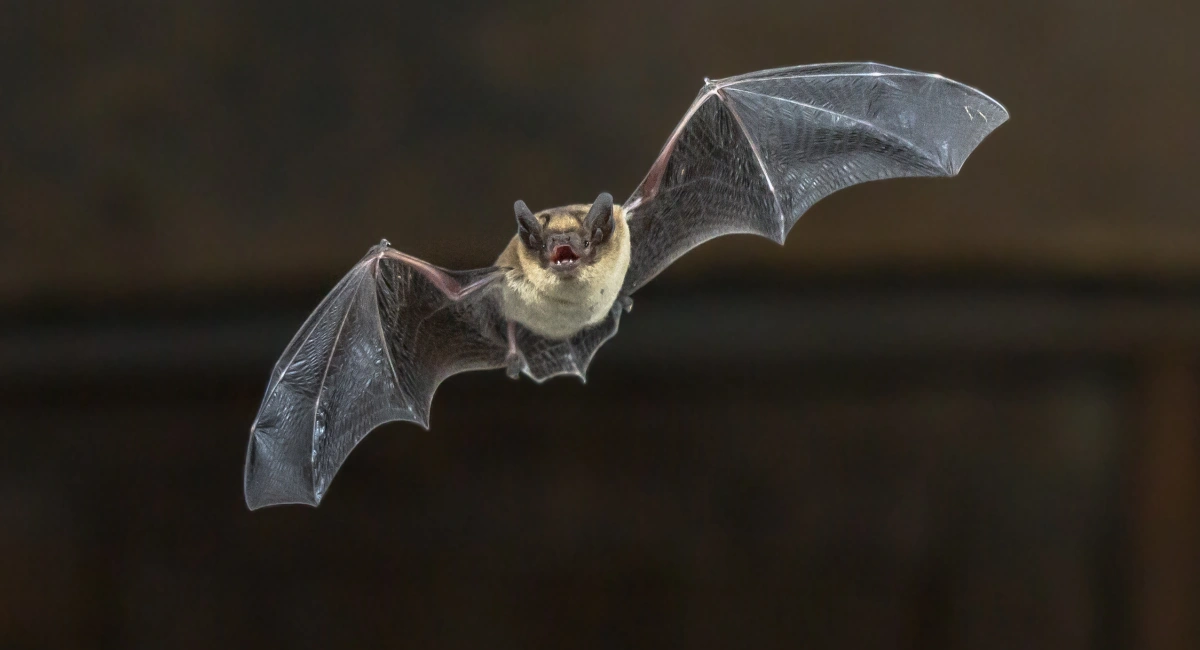
You see bats flying around your home at dusk or dawn, particularly near the roofline, chimney, or attic vents. You notice bat droppings (guano) accumulating near potential entry points. You hear scratching, squeaking, or rustling sounds from your attic, walls, or chimney during evening hours. You might detect a strong, musty odor that could indicate a large colony. You spot bats entering or exiting through gaps in your roof, siding, or around windows.
Why bats return to the same roosts
Once a bat chooses a roosting location, it typically keeps coming back. Bats are creatures of habit and prefer familiar, safe locations that meet their needs. A good roost offers protection from predators, appropriate temperature and humidity levels, and easy access to food and water.
This loyalty means that if bats have found their way into your attic, they won't simply leave on their own. Even if they temporarily vacate the area, they'll likely return unless entry points are properly sealed. This is why bat prevention is so important; it's much easier to keep bats out than to remove an established colony.
Bat prevention and removal considerations
While bats play an essential role in controlling insect populations, you don't want them roosting in or around your home. Bats can carry diseases such as rabies and may harbor parasites. Their droppings can accumulate over time, posing health hazards and creating unpleasant odors.
However, many bat species in the United States are protected by state or federal law. This means you cannot simply remove them yourself or harm them in any way. Professional wildlife control is not just recommended—it's often legally required.
If your area has a large bat population, prevention is your best strategy. Bats can squeeze through openings as small as half an inch, so thorough inspection and sealing are essential. Common entry points include chimneys, vents, rain gutters, gaps in siding, and spaces around windows and doors.
Having your chimney capped, sealing cracks and crevices, and installing proper screening over vents can help keep bats out. A wildlife professional can inspect your home for potential entry points you might miss.
Professional bat removal
If bats have already found their way into your home or are roosting around your property, professional help is essential. Ehrlich's experienced wildlife technicians understand bat behavior, including their nocturnal patterns and roosting preferences.
We can determine legal removal methods that comply with regulations, identify and seal entry points to prevent future infestations, and recommend ongoing prevention strategies tailored to your property. Don’t sit on professional help; get your free inspection with us today.
Schedule your free pest inspection today
Get peace of mind knowing your home or business is protected. Our technicians will assess your property and recommend customized solutions.
Book your free pest inspection today
Our local technicians will assess your property and recommend tailored solutions. Fast, friendly, and completely obligation-free.
- Targeted treatments applied safely and responsibly
- Local experts, fast response
- Trusted, trained technicians