© 2026 Rentokil Initial plc and subject to the conditions in the legal statement.
Houseplants can be an excellent addition to any home. From purifying the air to boosting our mood and reducing stress, these leafy companions can truly enhance our well-being, but they can also be breeding grounds for plant pests under certain conditions. However, with a PestFree365¹ or PestFree365² plan, you can enjoy year-round protection against spiders, roaches, and other common household pests. Contact us today for a free quote!
Common houseplant pests
Multiple factors can contribute to indoor plant pests, including:
- Overwatering: Damp soil creates a breeding ground for fungus gnats, which can attract other insects looking for a meal.
- Underwatering: Stressed plants are more susceptible to pests.
- High humidity: Fungus gnats and other pests love humid environments.
- Dead plant material: Decaying leaves and debris provide food and hiding spots for pests like mealybugs and thrips.
While any stressed houseplant can be susceptible to pests, some plants are more prone to attracting them. Citrus plants, fiddle leaf figs, crotons, scheffleras, and African violets are a few plants you may want to closely inspect. Below are a few examples of common plant pests.
Spiders
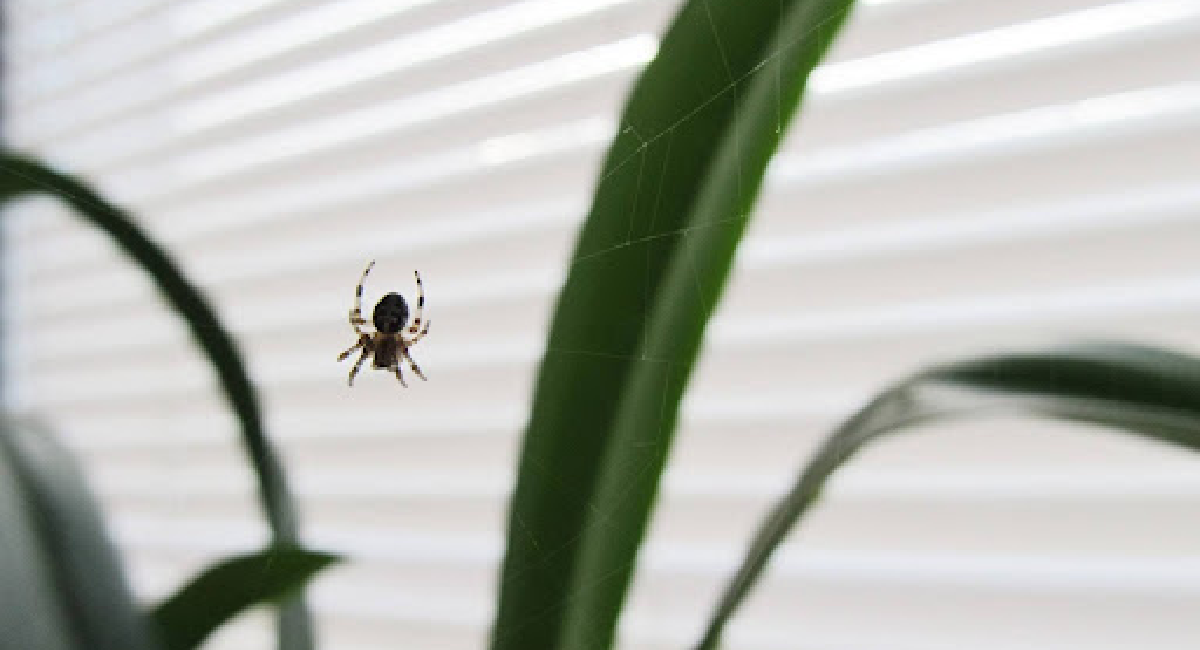
Spiders can find their way into your plants when looking for a meal or a quiet place to spin a web. However, spiders aren’t the worst bugs to have in your plants. They can help control other indoor plant pests like fungus gnats and thrips.
If you think spiders might be in your plants, look for webs, egg sacs, or live spiders. Spiders usually won't harm plants; they prey on insects, not the plants themselves. Additionally, spiders on houseplants typically don't pose a danger to humans. They're focused on catching prey and will usually flee if disturbed.
If spiders are troubling you at home, our skilled technicians can help. Contact us today to learn about our spider control services.
Cockroaches
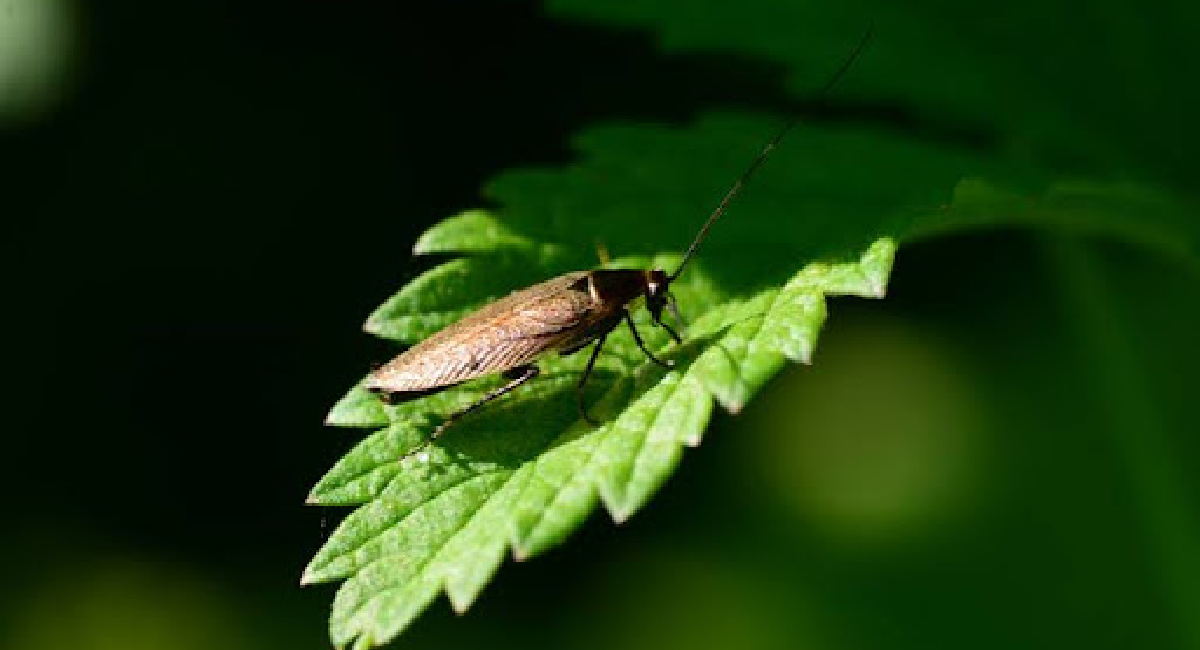
Cockroaches aren't the most common plant pests, but they can be attracted to them under certain conditions. If you suspect a roach has claimed your plant as its new home, check in and around your houseplants for:
- Visible live roaches
- Fecal droppings
- Shed roach skins
- Damage to plant leaves
- Egg casings
Cockroaches can harm houseplants by munching on leaves and flowers, but their biggest threat is spreading bacteria and disease through droppings and shed skin. If cockroaches are a problem, contact a professional cockroach exterminator. Ehrlich technicians are experts at treating roaches in homes.
Gnats and other flies
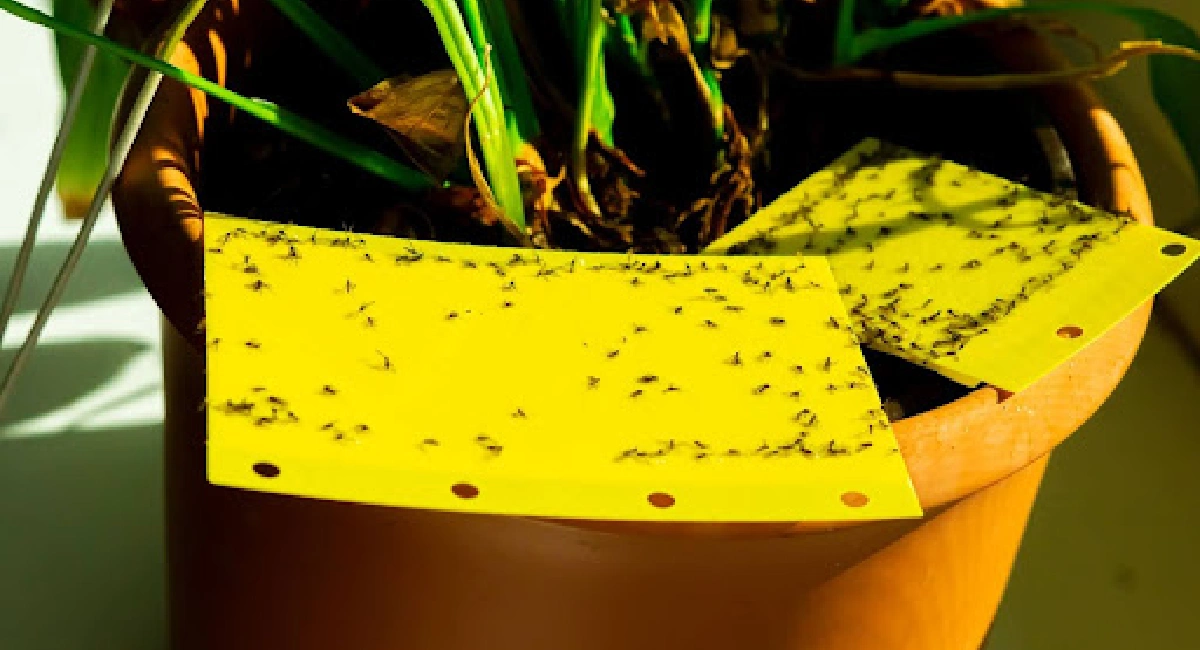
Fungus gnats are one of the most common indoor plant pests. Signs of these pests may include small flying insects around plants, worm-like larvae in the soil, and wilting or yellowing leaves.
- Fungus gnats thrive in overwatered soil, where their larvae feed on fungus and decaying matter, potentially harming plant roots and growth.
- Fruit flies are drawn to overripe fruits or food scraps near plants, but they pose no direct threat to the plant.
- Shore flies are attracted to moisture and may gather near damp plants, although they don't harm them.
Neglecting a minor fly issue could escalate into a significant infestation. Contact us today to learn about our fly control services.
Mealybugs
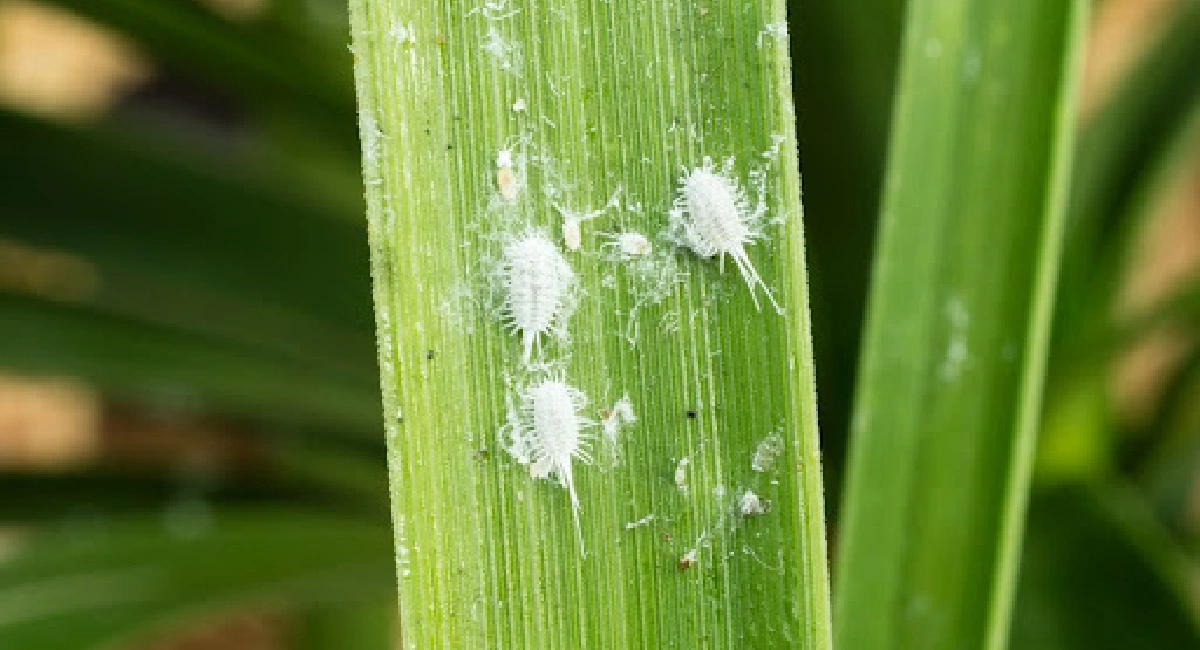
Mealybugs threaten plants by feeding on sap, which can cause stunted growth and yellowing and wilted leaves. These small plant pests excrete a sticky substance called honeydew that attracts other pests and mold. Additionally, mealybugs can transmit plant diseases.
Signs of a mealybug infestation can include white masses on plant stems or leaves resembling small cotton balls. Increased ant activity around infested plants is possible, as ants are attracted to the sticky honeydew. Early detection and treatment are crucial to prevent mealybugs from spreading and causing significant damage to your plant.
Thrips
Thrips are tiny indoor plant pests that feed on sap, causing distorted and deformed leaves and reduced growth. Some species can transmit plant diseases as they feed. Signs of a thrips infestation include silvery or whitish streaks on leaf surfaces, tiny black droppings, irregular leaf growth in severe cases, and light-colored larvae, which may require a magnifying glass for detection.
Regularly inspect your houseplants, especially the undersides of leaves. This is a common hiding spot for thrips. If you suspect thrips, isolate the infected plant and take steps to control the infestation before it spreads to your other plants.
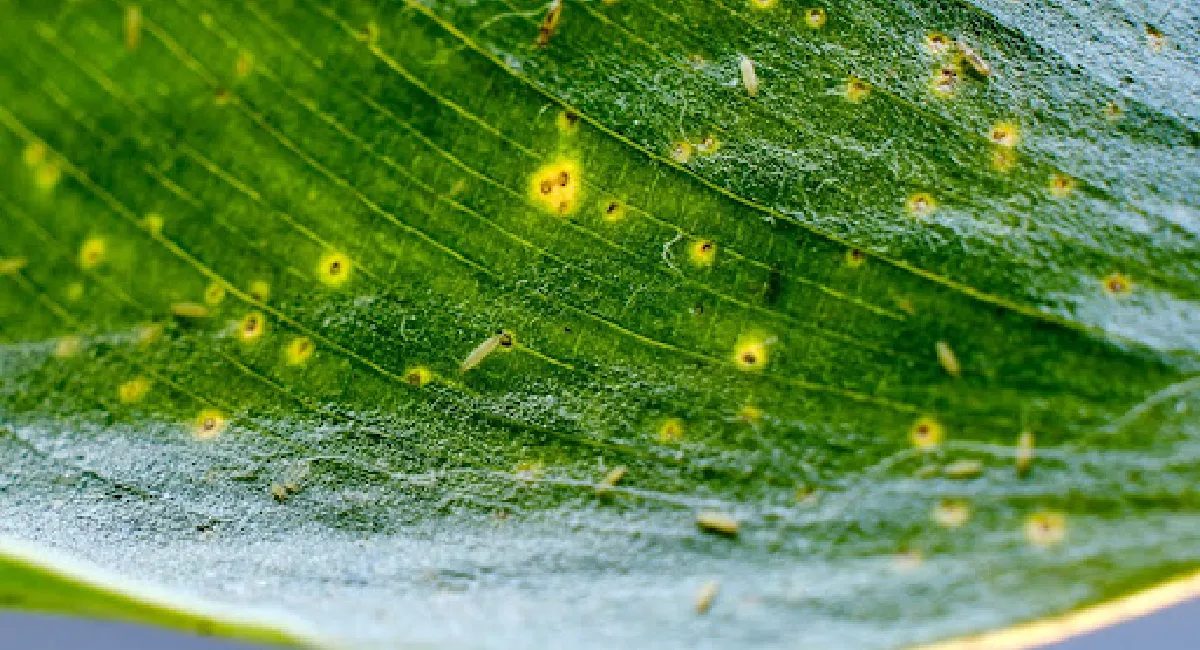
Spider mites
Spider mites are tiny arachnids that feed on plant sap, causing significant damage such as discoloration, wilting, and leaf drop. Signs of infestation include stippling on leaves, yellowing, webbing, and falling leaves. To prevent spider mites, regularly inspect plants, maintain proper humidity and watering, isolate new plants, keep the garden clean, use beneficial insects, and avoid over-fertilization.
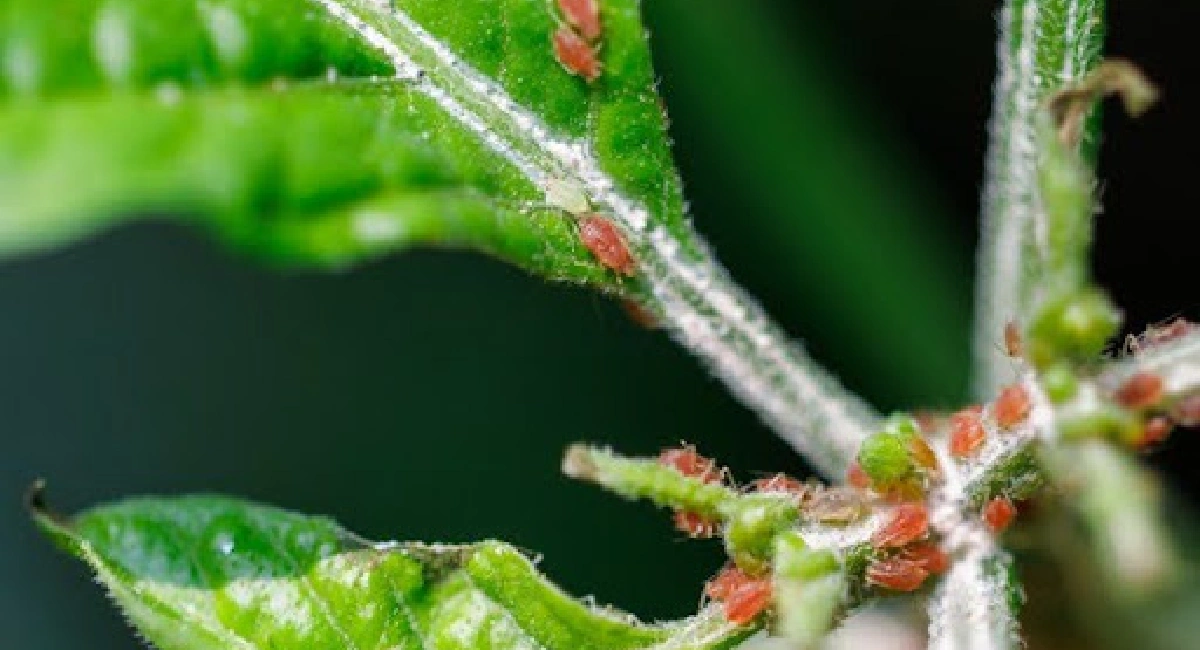
How to help get rid of indoor plant pests
If you notice any pests on your plants, immediately isolate them. Isolating them can help prevent pests from spreading to your other healthy plants. Accurate identification is crucial in choosing the most effective treatment option. Use online resources or consult a gardening expert to confirm the type of indoor plant pest you're dealing with. A pest control professional may be needed to control some pests, like spiders and cockroaches.
The best way to prevent plant pests from returning is:
- Healthy plants: Provide your plants with the proper light, water, and nutrients to keep them strong and pest-resistant.
- Quarantine new plants: Before introducing any new plants to your collection, isolate and inspect them for pests before placing them near your other plants.
- Avoid buying diseased or clearance houseplants: They tend to have pest issues.
- Regular inspection: Regularly inspect your plants, especially the undersides of leaves.
- Monitor moisture: Avoid overwatering, which can create a breeding ground for fungus gnats and other moisture-loving pests.
- Cleaning: Keep the area around your plants clean and free of debris. Remove fallen leaves and dead plant material promptly.
For stubborn infestations or when dealing with various pests, contact Ehrlich. Our year-round preventative pest control plans, PestFree365¹ and PestFree365+², can protect you and your home from some of the most common pests, including spiders and cockroaches!
¹Coverage includes: “House” Ants, Bird Mites, Indoor Ticks, Cockroaches, Carpet Beetles, Fabric Moths, Overwintering Insects, Ground Beetles, Centipedes, Crickets, Earwigs, Firebrats, Millipedes, Clover Mites, Pillbugs/Sowbugs, Psocids, Scorpions, Silverfish, Paper Wasps, Springtails, Spiders, Stored Product Beetles, Stored Product Moths, Mice, and Rats.
²Coverage includes all pests covered by PF365 plus: Black Widow Spiders, Brown Recluse Spiders, Voles (perimeter/structure only), Bed Bugs, Fleas (interior only), Bumble Bees, Carpenter Bees, Solitary Ground Bees, Yellowjackets, Hornets, Baldfaced Hornets, Crazy Ants, Carpenter Ants, and Fire Ants (perimeter/structure only)
Schedule your free pest inspection today
Get peace of mind knowing your home or business is protected. Our technicians will assess your property and recommend customized solutions.
Book your free pest inspection today
Our local technicians will assess your property and recommend tailored solutions. Fast, friendly, and completely obligation-free.
- Targeted treatments applied safely and responsibly
- Local experts, fast response
- Trusted, trained technicians