© 2026 Rentokil Initial plc and subject to the conditions in the legal statement.
Bed bugs are parasitic insects with a singular dietary focus: blood. Unlike many household pests that scavenge for crumbs or pantry items, bed bugs have specialized mouthparts designed exclusively for one purpose—feeding on the blood of living hosts.
The bed bug diet
Bed bugs primarily feed on human blood, which provides all the nutrients bed bugs need to grow, reproduce, and survive. They pierce their host's skin and inject saliva that keeps blood flowing while making the bite undetectable—or at least, at first. The bugs draw blood for three to ten minutes before retreating to their hiding spots to digest their meal.
For many people, bed bug bites cause red, itchy welts that can last for days. Beyond the physical discomfort, bed bugs can also cause lasting psychological effects due to the stress and anxiety of dealing with an infestation.
What bed bugs eat when humans aren't available
While human blood is a bed bug's preferred food source, these adaptable pests can feed on other warm-blooded animals if necessary. Alternative hosts include:
Pets: Dogs, cats, and other household animals can become bed bug hosts, though bed bugs still prefer humans when available
Birds: Chickens, pet birds, and wild birds that nest near homes can provide blood meals for bed bugs
Rodents: Mice, rats, and other small mammals may be targeted, especially in situations where human hosts are absent for extended periods.
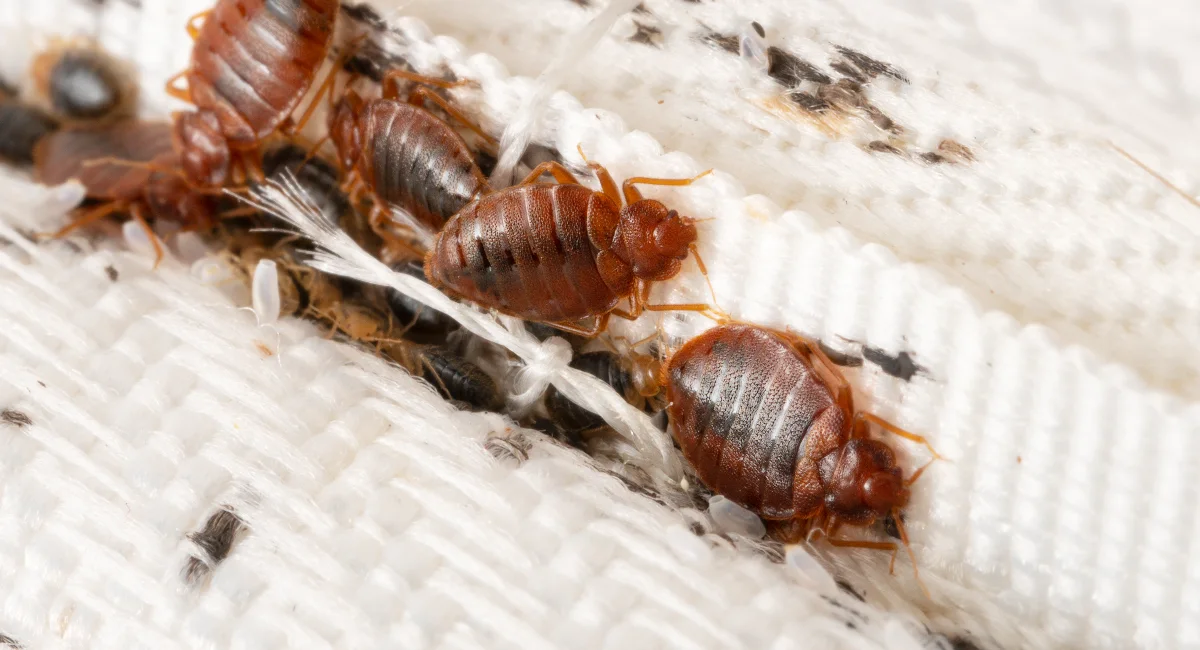
How often do bed bugs need to feed?
Bed bugs are driven to feed by hunger, which makes them seek blood meals to sustain energy, grow, and reproduce. They're attracted to carbon dioxide exhaled by hosts, body heat, and specific chemical signals that indicate a potential meal is nearby.
Bed bugs don't need to feed every day. When a host is present, they typically feed every three to seven days. After feeding, they retreat to their hiding spots, often in mattress seams, bed frames, baseboards, or furniture cracks, where they digest their meal and rest.
This ability to survive for extended periods without feeding makes a bed bug infestation particularly concerning. In cooler temperatures, bed bugs can enter a state of dormancy and live without a blood meal for up to a year. In warmer conditions, their survival without feeding is typically shorter, around two to three months.
Several factors affect how long a bed bug can survive without feeding, including the insect's age, when it last fed, and whether hosts are present in the environment.
The bed bug feeding process
When a bed bug locates a host, it uses its specialized mouthparts, called a proboscis, to pierce the skin. The bug injects saliva containing anticoagulants that prevent blood from clotting and anesthetics that numb the area so the host doesn't feel the bite immediately.
The feeding process takes between three and ten minutes. During this time, the bed bug's body swells and changes color from brown to reddish as it fills with blood. Once satisfied, the bug withdraws its mouthparts and returns to its hiding place.
Most people don't feel bed bug bites as they happen. The itching and welts typically appear hours or even days later, which is why infestations can go unnoticed until they become severe.
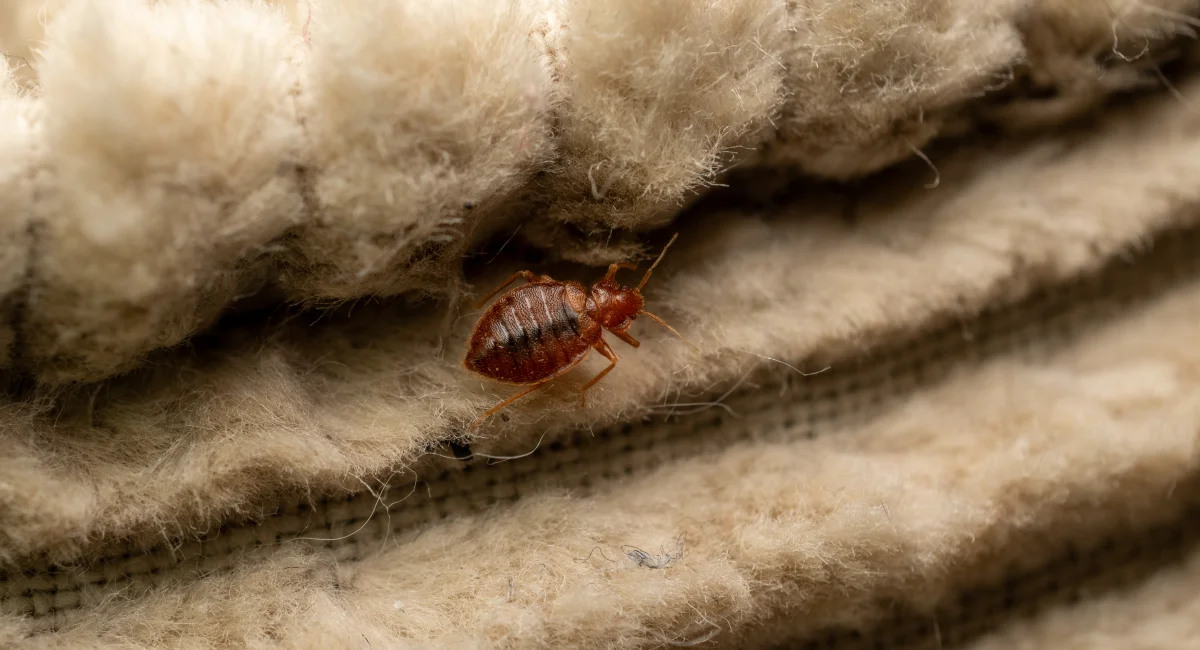
Signs that bed bugs are feeding in your home
Think you have bed bugs in your home? Here are some common signs of an infestation:
Bite marks: Red, itchy welts on your skin, often in lines or clusters, particularly on areas exposed during sleep like arms, legs, neck, and face
Blood stains: Small reddish-brown spots on sheets, pillowcases, or mattresses from crushed bed bugs or bleeding bite sites
Fecal spots: Tiny dark spots (bed bug excrement) on bedding, mattresses, or nearby furniture.
Live bugs: Small, flat, oval-shaped insects, typically reddish-brown in color, hiding in mattress seams, bed frames, or furniture crevices
Musty odor: A sweet, musty smell that becomes noticeable with larger infestations.
Preventing bed bugs from feeding in your home
If you know what bed bugs feed on, you can better prevent them from feeding in your home. Start by inspecting secondhand items like used furniture, mattresses, and clothing before bringing them into your home. Vacuum regularly in areas where bed bugs might hide, such as around bed frames, baseboards, and upholstered furniture, and inspect your living space for signs of bed bugs, especially in bedrooms and sleeping areas.
Also, be cautious when traveling. Inspect hotel rooms for bed bugs before unpacking, and take care to check your luggage and belongings when you return home.
Make sure to wash bed linens regularly and place them in the dryer on high heat before washing to kill any bed bugs and their eggs. Finally, use protective covers on mattresses and box springs to eliminate hiding spots and make detection easier.
Professional bed bug control
Bed bugs are notoriously difficult to eliminate and can survive for months without feeding. Ehrlich's technicians can identify bed bug infestations, locate hiding spots, and implement targeted treatment plans that eliminate bed bugs in all life stages, from eggs to adults. We use proven methods to ensure complete eradication and recurrence.
Think you have bed bugs? These pests spread quickly. Get in touch with us today for a free initial inspection.
Schedule your free pest inspection today
Get peace of mind knowing your home or business is protected. Our technicians will assess your property and recommend customized solutions.
Book your free pest inspection today
Our local technicians will assess your property and recommend tailored solutions. Fast, friendly, and completely obligation-free.
- Targeted treatments applied safely and responsibly
- Local experts, fast response
- Trusted, trained technicians