© 2026 Rentokil Initial plc and subject to the conditions in the legal statement.
Quick overview
- Both bed bugs and ticks are small, flat, oval-shaped, and feed on blood
- Bed bugs are indoor pests; ticks are outdoor pests that hitch a ride inside
- Bed bugs have six legs while ticks have eight
- Ticks attach to skin and stay put while feeding; bed bugs bite and retreat
- Tick bites carry a higher health risk, including the potential for Lyme disease
You spot something small and reddish-brown crawling across your mattress or on your skin. Is it a bed bug or a tick? At first glance, these two pests look surprisingly similar, and that confusion is more common than you'd think. Both are flat, oval-shaped, wingless, and feed on blood. But the difference between bed bugs and ticks matters a lot, because the right identification leads to the right response.
Getting it wrong can mean wasted time, the wrong treatment, and a problem that keeps getting worse. The good news is that once you know what to look for, telling them apart is straightforward. Start with where you found it.
Start here: Where did you find it?
Location is your first and most reliable clue when trying to figure out whether you have a bed bug or a tick on your hands.
Bed bug identification always starts in the bedroom. Check your mattress, in the folds of your sheets, your bed frame, and along a baseboard near your bed. If you find more of the same creature, bed bugs are the far more likely culprit. Bed bugs are indoor pests through and through. They position themselves close to where people sleep because they feed at night and need quick access to a host. They don't wander far.
However, if you find the bug on your skin or clothing after being outside, think tick. Ticks live in tall grass, leaf litter, wooded edges, and overgrown vegetation. They don't seek out homes the way bed bugs do. A tick found indoors almost always got there by hitching a ride on a person or a pet.
Now look at the bug itself
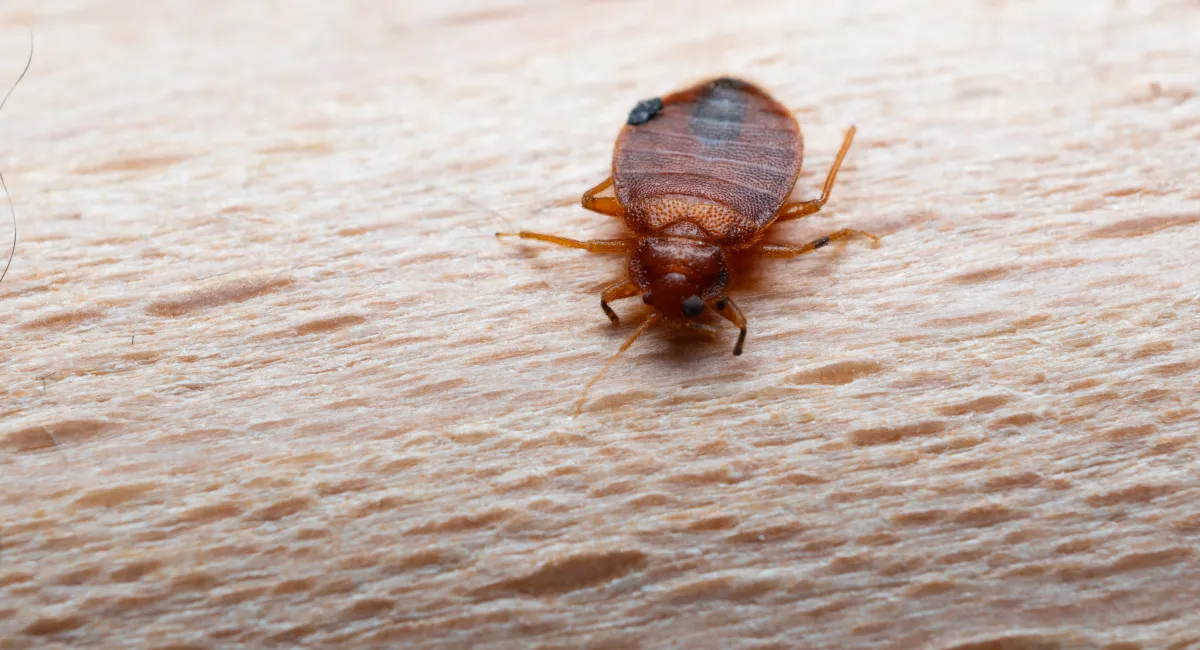
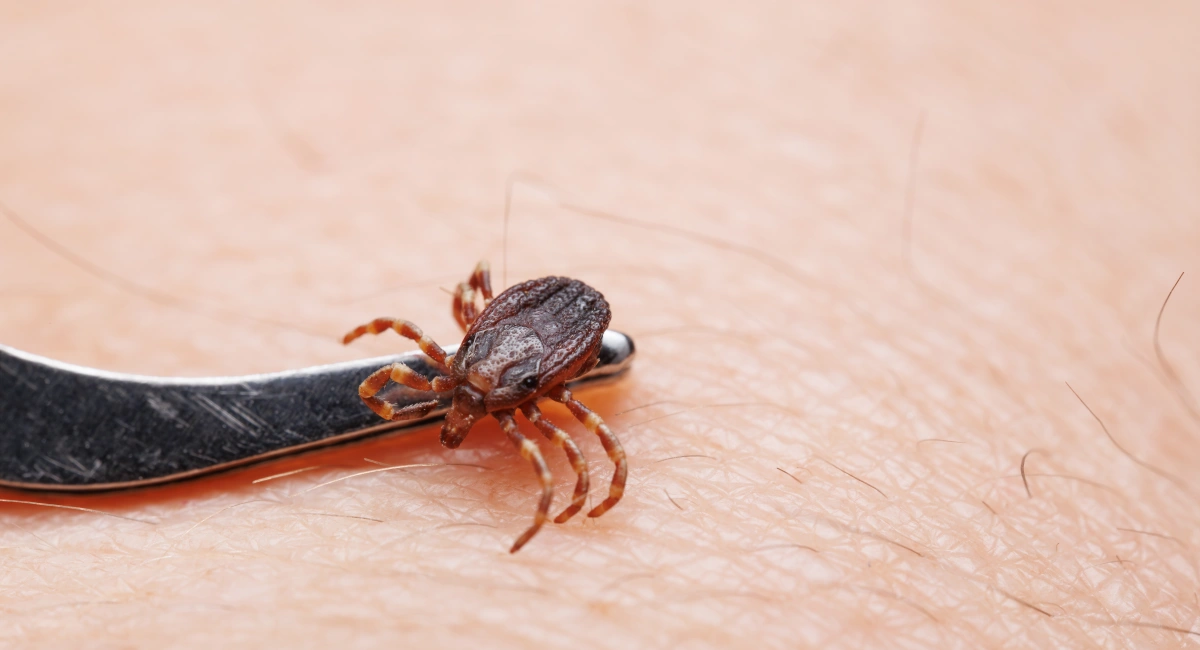
If location alone hasn't helped you identify the bug, a closer look at the pest will. You may need a magnifying glass, but the differences are clear once you know what you're looking for. Here’s how to tell the difference between ticks and bed bugs:
- Is it attached to your skin? This is a definitive tell. Ticks latch on and stay put while they feed, sometimes for hours or even days. Bed bugs bite and retreat. They don't stay on your body.
- Look at the body shape. Before feeding, both pests are flat and oval. But after a blood meal, they behave very differently. A fed tick swells dramatically, sometimes ballooning to several times its original size and turning a grayish or greenish color. A bed bug darkens and becomes slightly more elongated after a meal, but it doesn't swell anywhere near as dramatically. If the pest you found looks like a tiny, bloated gray blob, it's almost certainly an engorged tick.
- Count the legs. This is the fastest way to tell them apart. Bed bugs are insects and have six legs. Ticks are arachnids and have eight, putting them in the same biological group as spiders and mites. If you can get a clear look, leg count alone will give you your answer.
Bed bug bites vs. tick bites
Bites can be tricky to use as your only clue since everyone reacts differently, and some people barely react at all. But there are patterns that can help point you in the right direction.
Bed bug bites tend to show up on skin that was exposed while you slept: your arms, legs, shoulders, neck, or face. They often appear in a line or loose cluster, and they may not itch for a day or two because bed bugs inject a mild numbing agent when they feed. Bed bugs are not known to transmit disease, though some people do have allergic reactions.
Tick bites are usually single bites, often found in warm, tucked-away spots on the body: the armpits, groin, behind the knees, or behind the ears. The tick will typically still be attached when you find it. Ticks can transmit serious illnesses, including Lyme disease, Rocky Mountain spotted fever, and ehrlichiosis.
Other signs to look for
Sometimes you won't find the pest itself. You'll find the evidence it left behind. Here's what each one leaves:
Bed bug evidence:
- Rust-colored or reddish stains on sheets or pillowcases, from crushed bugs or blood spots
- Tiny dark dots along mattress seams, bed frames, or baseboards (fecal matter)
- Pale, papery shed skins near hiding spots
- A faint sweet or musty smell in a heavily affected room
Tick evidence:
- Ticks found on pets, particularly around the ears, neck, belly, or between the toes
- A tick still attached to a family member's skin after outdoor activity
- A circular or bullseye-shaped rash around a bite site, which warrants a visit to a healthcare professional
If you have pets that spend time outdoors, building a habit of checking them after walks or hikes goes a long way.
How the approach differs: bed bugs vs. ticks
Bed bugs almost always call for professional treatment. Because they hide deep in mattresses, furniture, and wall voids, DIY methods rarely reach the full extent of an infestation. For homeowners, that typically means a targeted treatment plan, usually heat, steam, or insecticide-based, with follow-up visits to confirm the problem is resolved.
For businesses, the stakes are higher. Hotels, hospitals, multi-unit housing, and other high-traffic properties face real reputational and operational risk from a bed bug problem. Pest control for hotels and other commercial settings involves ongoing monitoring programs and rapid-response protocols to catch issues early, before they spread.
Ticks are a different story. A single tick found on a person or pet after time outdoors doesn't necessarily mean your yard has an infestation. In many cases, a one-time barrier treatment applied to your lawn and landscaping can significantly reduce tick activity for the season. That said, if your property borders wooded areas or you're finding ticks regularly, a monthly treatment plan through tick season makes more sense.
Habitat management also plays a role: keeping grass trimmed, clearing leaf piles, and reducing overgrown vegetation all help make your yard less tick-friendly. Our tick control services cover both one-time and seasonal options, so you can choose what fits your situation.
See how Ehrlich can help address bed bug infestations in your home or business.
Schedule your free pest inspection today
Get peace of mind knowing your home or business is protected. Our technicians will assess your property and recommend customized solutions.
Book your free pest inspection today
Our local technicians will assess your property and recommend tailored solutions. Fast, friendly, and completely obligation-free.
- Safe, targeted treatments
- Local experts, fast response
- Trusted, trained technicians