Temps and termites are on the rise. Schedule your free inspection today.

800-837-5520 Call us for a free quote Contact us

Solitary ground bee control services

If you’ve spotted small bees hovering low over your lawn or around your yard, you may be dealing with solitary ground bees. Find out what these insects are, when they can become a problem, and how we can help with ground bee control.

Noticing ground bees around your property? We can help

While these bees help pollinate plants, their nesting activity can make your yard look uneven and may cause anxiety for those wary of stings. Our team can assess the situation and provide professional ground bee control to help manage the issue before it spreads.

* Required field

Download this report

What are solitary ground bees?

There are hundreds of different solitary ground bee species, each sharing a similar nesting habit of digging tunnels in dry, sandy soil rather than building hives. They often work alone, and while they’re generally not aggressive, they can become territorial near nesting sites. This can be especially concerning if you have children or pets playing outdoors.

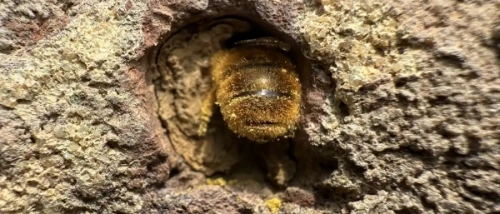
 A solitary ground bee emerges from a small hole in dry dirt

What does a solitary ground bee nest look like?

Ground bee nests appear as small holes surrounded by loose soil, resembling miniature anthills. The tunnels lead to underground chambers where eggs are laid. You’ll often see a few bees entering and exiting the same area repeatedly. These nests are usually found in lawns, flowerbeds, or bare soil that’s easy to dig into.

Identify common bee nests

When should you be concerned?

Effective pollinators, ground bees usually pose little risk to people and play an important role in our ecosystem. They can even be left alone to pollinate nearby flowers if you don’t mind the appearance of holes in the dirt. Although they’re unlikely to sting unless provoked, they can become problematic in the following situations:

  • Nesting close to people: If ground bees are nesting near patios, walkways, or flowerbeds where people and pets spend time.
  • Someone has been stung: Although rare, ground bees will defend their nests if disturbed.
  • More holes appearing: Seeing an increasing number of burrows may mean more bees have moved in or that they’ve begun to infest nearby soil.

Our solitary ground bee process

Our process for ground bee control focuses on careful inspection, professional handling, and preventing future nesting.

Initial consultation

When you contact Ehrlich, a technician will discuss what you’ve noticed, gather details about the pest activity, and arrange a convenient visit to your property.

On-site Inspection

Your technician will examine affected areas, identify the type of bee, and determine whether professional ground bee removal is necessary.

Targeted treatment

Based on inspection findings, the technician will recommend appropriate ground bee treatment steps to manage current activity while minimizing disturbance to your yard.

Future preventative methods and monitoring

We’ll share practical advice for discouraging new nesting, like adjusting soil moisture and maintaining thick grass cover. If needed, follow-up visits can help control future activity and monitor results over time.

Get in touch with Ehrlich today

If you’ve noticed burrowing bees on your property, Ehrlich can help assess the situation and provide professional ground bee nest removal if required. Our experienced team can remove the problem responsibly and recommend ways to protect your home and yard from future activity. Reach out today to learn more about how we can help you manage and prevent ground bee issues.

Frequently asked questions

Yes, solitary ground bees can sting, but they rarely do unless handled or provoked. They’re not aggressive and usually focus on building their nests.

Ground bees create small burrows in dry soil, but they don’t harm grass roots or cause lasting lawn damage. If you’d like to address their presence, professional bee removal can help manage activity.

Ground bees may return to the same general area each spring because the soil offers ideal nesting conditions, though each new generation builds its own tunnels.

They feed on nectar and pollen, helping to pollinate plants and flowers while they forage near their nests.

Most adults live only a few weeks during the spring, long enough to reproduce and establish nests. If you have ongoing concerns, contacting an exterminator for ground bees is the best way to determine a long-term solution.

Find your local branch

With our annual preventative pest maintenance program, PestFree365+, you can enjoy protection from pests, 365 days a year.