800-837-5520 Call us for a free quote Contact us

What are the benefits of wasps?

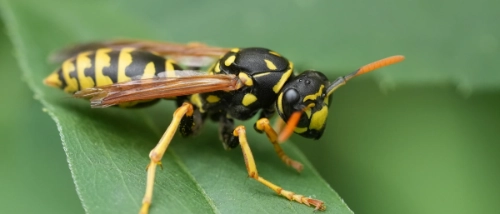
Wasps get a bad reputation, but these predatory insects do more good than most people realize.

Wasps rarely get much credit: Most people think of them as the uninvited guest at a picnic, and it's true that a sting can ruin a summer afternoon. But look past the reputation, and wasps do a surprising amount of good work in gardens, farms, and backyards across the country. ​​​​​

Bald faced hornets

Wasps help keep insect populations in check

A single wasp colony can capture thousands of insects over a season. Social wasps such as yellowjackets and paper wasps hunt caterpillars, aphids, flies, and other garden pests to feed their growing larvae. 

Farmers and gardeners often rely on this natural pest control without even realizing it, since fewer caterpillars and aphids means less damage to crops and plants.

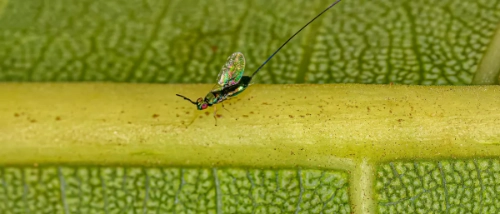
Solitary wasps play a similar role, though on a smaller scale. Species like the mud dauber target spiders, while parasitic wasps take things a step further by laying eggs directly inside a host insect. Once the eggs hatch, the larvae feed on the host, which eventually kills it.

Bald faced hornets

Wasps are part of a bigger food web

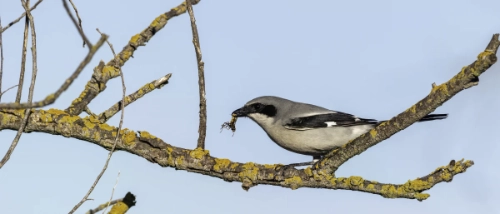
Wasps also serve as a food source for birds, spiders, and other predators. Removing wasps from an ecosystem entirely can disrupt that balance, affecting species higher up the food chain. In this sense, wasps are one small piece of a much larger system that keeps gardens and green spaces healthy.

Bald faced hornets

Some species help with pollination

Bees usually get the plaudits for pollination, yet wasps quietly contribute too. As they move from flower to flower in search of nectar, they pick up and transfer pollen along the way. 

Fig wasps take this a step further, since certain fig species depend entirely on a specific wasp species to reproduce. Without that relationship, those figs wouldn't exist.

Bald faced hornets

Some wasps can help with natural waste cleanup

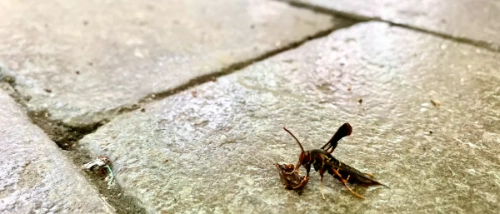
Beyond hunting live insects, some wasps also feed on dead insect matter (think: yellowjackets and other scavenging wasps), which helps break it down faster in gardens and green spaces. 

This scavenging role, though less obvious than their pest control work, adds another small benefit to having wasps nearby.

Seeing wasps?

Call now to book your free inspection.

Wasps require little from humans to thrive

Unlike some beneficial insects that need specific plants or habitats, wasps tend to find their own nesting spots and food sources without any encouragement. This makes them one of the few pest control allies that show up and get to work without any effort on your part (aside from managing nests that end up too close for comfort).

When wasps become a problem

Sure, wasps offer real benefits outdoors, but a nest in the wrong spot changes the equation fast. Problems tend to show up when a colony builds close to doors, windows, patios, or anywhere people spend time, since wasps become far more defensive near an active nest. 

A single nest can hold dozens to hundreds of wasps by mid-summer, and disturbing it, even by accident, can trigger multiple stings.

Nests built inside wall voids, attics, or sheds are also a concern, since they're easy to miss until the colony has grown large and the wasps have already established regular flight paths in and out of the space. At that point, removing the nest becomes trickier and riskier to attempt without the right training and equipment.
Struggling with a wasp nest? 

If you've found a nest on your property, our wasp team can take a look. We'll assess the nest, work out the best way to deal with it, and help you avoid the risks that come with tackling it on your own.

Frequently asked questions

Most wasps you'll come across, including paper wasps and yellowjackets, are native to North America. A few species, such as the European hornet, were introduced from elsewhere but have lived here for over a century and aren't considered a major ecological threat.

Yes, they do. Hornets prey on nuisance insects, scavenge dead animals, and occasionally help with pollination while foraging for nectar, all of which support a healthier outdoor environment.

Hornets act as a natural check on insect numbers and help break down organic matter left behind by dead insects and small animals. That role feeds into the wider food web, since birds and other predators also rely on hornets as a food source.

If you manage a commercial property, you know how pest problems can impact your reputation and your bottom line. See how Ehrlich helps protect your business.

Pests don't take a day off, and neither do we. Ehrlich's residential pest control services are built around your home and your family.