800-837-5520 Call us for a free quote Contact us

What animals eat wasps?

Wasps have a sting and a temper — so what's brave enough to eat them? Read on to find out what animals kill wasps.

Wasps have a reputation for being aggressive and hard to deal with – but they're not invincible. It’s not only wasp control companies that they need to look out for.

Despite their stingers and territorial instincts, wasps sit firmly in the middle of the food chain. A surprising number of birds, insects, and mammals prey on them, and knowing who those predators are gives you a fuller picture of how wasps fit into the natural world.

How animals prey on wasps

Wasps are well-defended: Social species like yellowjackets and hornets can sting repeatedly, and they release alarm pheromones that trigger the rest of the colony to swarm. So how do predators manage to eat them?

The answer is a mix of speed, adaptation, and strategy. Some predators target wasps in mid-air before they can react. Others go after the larvae inside the nest. A few have evolved physical adaptations, like thick facial feathers or immunity to venom, perfect for raiding nests. And solitary wasps, like mud daubers, are much easier targets because they don't live in colonies and rarely sting, so they're far more vulnerable to predation than their social counterparts.

Natural predators of wasps

Birds, insects, and mammals all prey on wasps in different ways, each with their own tricks for avoiding stings. Here's what’s eating wasps, and how they do it.

Paper wasps

Birds that eat wasps

Birds are among the most common wasp predators. Several species have developed clever ways to deal with the sting risk:

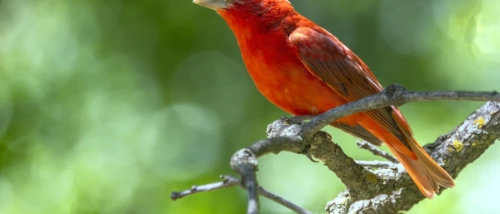
The summer tanager is one of the few birds that actively hunts wasps and hornets. It catches them in flight, then beats the wasp against a branch to remove the stinger before eating it. 

The European honey buzzard takes a different approach: it raids nests directly, targeting the larvae inside. Its facial feathers have adapted over time to act almost like armor, helping to deflect stings while it digs in.

Other birds, including certain woodpeckers and bee-eaters, will also take wasps when the opportunity arises. 

That said, birds tend to pick off individual wasps rather than tackle a full colony, so they won't put much of a dent in an active nest.
Paper wasps

Insects that eat wasps

Some of the most effective wasp predators are other insects.

Dragonflies are fast, agile hunters that can intercept wasps in mid-air. Robber flies do the same;  they're ambush predators that strike quickly and inject venom to immobilize their prey. 

Praying mantises are patient hunters that will take on wasps that come within reach, using their powerful forelegs to grip and hold them.

Perhaps most interesting are parasitic wasps — species that lay their eggs inside or on other insects, including other wasp species. The larvae then consume the host as they develop. It's a brutal but effective form of natural population control.

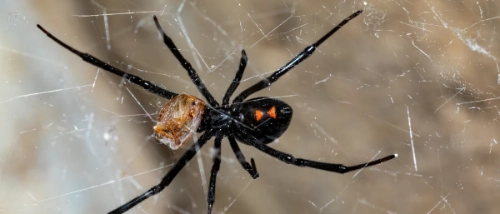
Spiders also catch wasps regularly, particularly in webs. While a wasp can sometimes escape, many don't, and larger spider species will actively subdue and consume them.

Struggling with wasps?

Call now to book your free inspection.

Bald faced hornets

Mammals that eat wasps

Most mammals that prey on wasps aren't after the adults — they're after the larvae, which are protein-rich and defenseless.

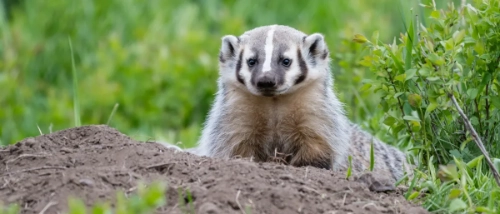
Badgers are use their powerful claws to dig into ground nests, tearing them apart to get to the larvae inside. Their thick skin and fur offer some protection from stings, though they're not immune.

Bears will also raid wasp and hornet nests, particularly when other food sources are scarce. Like badgers, they're primarily after the larvae. Skunks and raccoons have been known to do the same, scratching at the entrance of ground nests at night to draw out workers, then eating them one by one.

Rats and weasels also occasionally prey on yellowjacket nests, though they're more opportunistic about it.

Bald faced hornets

Amphibians and reptiles

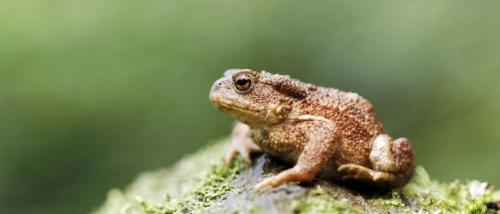
Frogs and toads will eat wasps if they wander close enough; they're not picky about what they snap up. 

Some lizard species also hunt wasps, relying on their speed to catch them before they get stung.

These animals don't specifically seek out wasps, but they help keep populations in check in areas where wasps are abundant.

Does natural predation control wasp populations?

In short: not really. Natural predators can reduce individual wasp numbers, but they won't eliminate a colony. A mature yellowjacket nest can hold thousands of workers by late summer, far more than local wildlife will manage. Predators tend to pick off stragglers rather than tackle the source.

If you have an active nest on your property, natural predation isn't a solution. The colony will keep growing until the season ends or it's treated professionally.

Dealing with wasps on your property?

Wasps are territorial and will sting repeatedly if they feel threatened. If you're seeing a lot of wasp activity around your home, it's worth getting a professional assessment sooner rather than later.

Frequently asked questions

Birds are among the most dedicated wasp hunters, actively seeking them out as a food source. That said, badgers are arguably the most impactful because they can tear apart an entire ground nest to get to the larvae inside, taking out far more of the colony in one go. 

It’s unlikely. Predators tend to pick off individual wasps rather than tackle the colony itself. A mature nest can hold thousands of workers, far more than local wildlife can manage.

If you manage a commercial property, you know how pest problems can impact your reputation and your bottom line. See how Ehrlich helps protect your business.

Pests don't take a day off, and neither do we. Ehrlich's residential pest control services are built around your home and your family.