© 2026 Rentokil Initial plc and subject to the conditions in the legal statement.
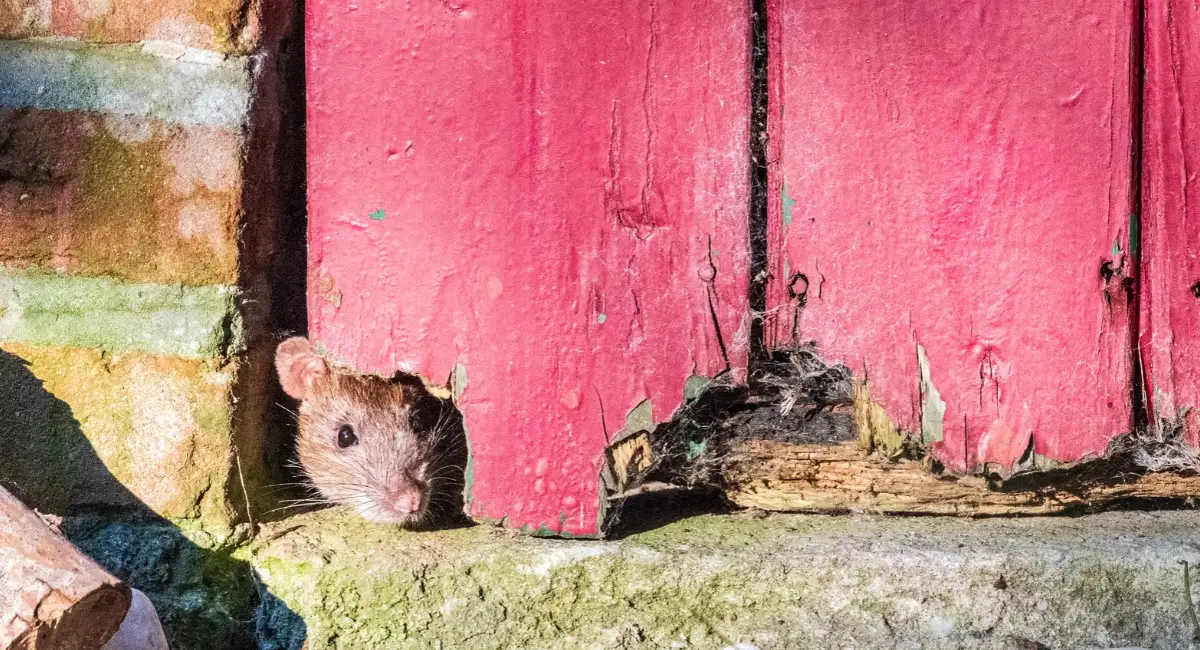
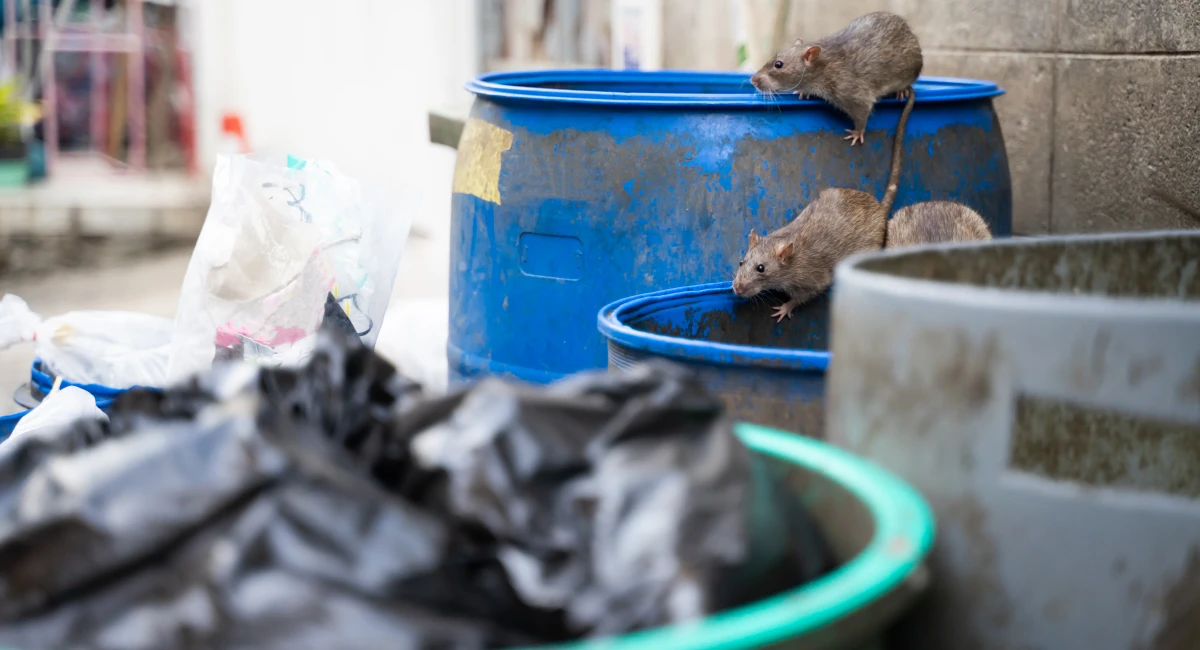
Rodent activity can pose a year-round challenge for businesses across the eastern United States, particularly as seasonal weather changes can drive pests indoors in search of food, water, and shelter. Rats and mice are two of the most common culprits. Norway rats can build nests around foundations, dumpsters, and other outdoor areas, while roof rats are agile climbers that can enter through upper-level openings, rooflines, and vents. House mice can fit through holes the size of a dime and infest commercial facilities.
Ehrlich Pest Control can provide rodent exclusion services to help keep rats and mice out of commercial buildings by sealing cracks, gaps, and other potential entry points with durable, rodent-resistant materials. Without proper exclusion, rodents can chew through wiring, contaminate products, and disrupt business operations.
The costs of a rodent infestation
Rodent infestations can create high costs for businesses, from damaged inventory and equipment to expensive building repairs. The financial impact can vary by industry, but businesses in the eastern U.S. may face risks such as:
- Restaurants, bars, and food processing facilities: Contaminated ingredients, damaged food packaging, compromised storage areas, and potential health code violations.
- Retail stores and grocery businesses: Chewed merchandise and packaging, contaminated inventory, damaged displays, and lost sales.
- Warehouses and distribution centers: Damaged pallet goods, contaminated products, compromised insulation, and disruptions to shipping operations.
- Healthcare facilities and pharmaceutical businesses: Contaminated supplies, damaged wiring and equipment, and added sanitation concerns in sensitive environments.
- Office buildings and commercial properties: Damaged server cables, electrical systems, and insulation.
Rodent activity is a concern in many eastern cities, including Philadelphia, Baltimore, Allentown, Reading, and Pittsburgh, which appear in our ranking of East Coast cities with the most rodent activity. Regardless of location or industry, professional rodent exclusion and control can help businesses address existing activity, seal entry points, and reduce the risk of future infestations.
Understanding rodent exclusion vs. rodent control
Rodent exclusion and rodent control are two services that can both help businesses prevent and manage infestations, but they serve different purposes.
- Rodent exclusion is proactive. This approach focuses on identifying and sealing vulnerable areas around your facility with durable, rodent-resistant materials to help prevent rats and mice from entering.
- Rodent control is reactive. When rodents have already entered a building, methods such as traps, bait stations, and other targeted treatments can help manage existing activity.
Rodent exclusion can be particularly important for businesses in densely populated cities, where commercial buildings share walls or sit close together. In these settings, rats and mice can move between connected properties through wall voids, utility openings, gaps around pipes, and other structural access points.
What rodent exclusion can look like at your business
Rodent exclusion focuses on the structural gaps and openings that rats and mice can use to enter commercial buildings. This is important for businesses across the eastern United States, where older buildings with brick-and-mortar foundations, aging masonry, and below-grade spaces can create potential entry points.
Depending on your building's construction and layout, rodent exclusion may involve:
- Loading docks and overhead doors: Installing heavy-duty door seals and weather stripping to close gaps beneath loading dock doors, garage doors, and other large openings.
- Exterior walls and foundations: Sealing cracks in brick, mortar, and foundation materials, along with gaps around weep holes and other openings, using durable, rodent-resistant materials.
- Basements and crawl spaces: Inspecting foundation walls, vents, access doors, and utility openings for gaps that could allow rodents to enter below-grade areas.
- Rooflines and vents: Securing openings around roof edges, overhangs, exhaust vents, and other elevated access points that rodents may use to reach the building.
A professional inspection can help identify vulnerable areas throughout your facility and determine which exclusion methods and materials are appropriate for the building.

What materials can be used for rodent exclusion?
Rodents can gnaw through common materials such as foam, plastic, rubber, and wood, so effective exclusion requires stronger, rodent-resistant options. Material selection is especially important for commercial properties across the eastern United States, where exclusion barriers may be exposed to freezing winters, high humidity, and heavy rainfall.
Ehrlich takes rodent exclusion one step further with our exclusive range of Flexi Armour™ products. These items feature durable, knitted stainless-steel wire designed to fit gaps and openings of various sizes around commercial facilities. Its flexible construction allows it to be used in a variety of structural areas while providing a durable barrier against rodent entry.
The benefits of investing in rodent exclusion
Investing in rodent exclusion can help businesses across the eastern U.S. prevent costly infestations and protect daily operations. Exclusion services are important for industries such as food processing, restaurants, and hospitality, where rodent activity can affect products, employees, customers, and facility conditions. Key benefits of commercial rodent exclusion can include:
- Lower long-term costs: Preventing rodent entry can help reduce recurring treatment expenses, damaged inventory, equipment repairs, and facility maintenance.
- Support for inspections and audits: Sealing entry points, monitoring activity, and maintaining sanitary conditions can help food processing facilities, restaurants, and other regulated businesses prepare for inspections and meet applicable requirements.
- Brand protection: Rodents or signs of rodents can almost instantly drive away loyal shoppers. Keeping rodents out can help protect your online reviews and preserve customer trust.
When combined with routine inspections and targeted treatments as needed, rodent exclusion can help businesses reduce infestation risks and protect their facilities over time. Rodenticide regulations are also tightening across many states, so having an exclusion plan in place can help your business stay ahead.
How to get started with rodent exclusion
Seasonal weather across the eastern United States, from cold winters to heavy rainfall and humid summers, can drive rats and mice toward commercial buildings in search of food, water, and shelter. Our experts can assess your building and recommend various rodent exclusion solutions such as sealing structural gaps, securing utility openings, and installing Flexi Armour or other rodent-resistant materials.
Contact us to schedule an inspection and learn more about commercial rodent control for your business.
Book your free pest inspection today
Our local technicians will assess your property and recommend tailored solutions. Fast, friendly, and completely obligation-free.
- Safe, targeted treatments
- Local experts, fast response
- Trusted, trained technicians