© 2026 Rentokil Initial plc and subject to the conditions in the legal statement.
Quick overview
- Wasps are most active in the middle of the day and largely inactive at night
- Colony activity builds from spring, peaking in late summer/early fall
- On overcast or rainy days, wasps stay closer to the nest
If you've ever been dive-bombed at a backyard barbecue or found a nest tucked under your eaves in August, you already know that wasps have a knack for showing up at the worst possible moment. Our wasp control technicians report late summer as a key time for wasps, but their activity also depends on the time of day.
When do wasps come out?
Wasps are daytime insects: They rely on warmth and sunlight to function, so their activity closely follows the temperature of the day. Activity typically picks up in the late morning as temperatures rise, peaks between roughly 10 a.m. and 4 p.m., and then tapers off as the sun drops and the air cools. By dusk, most wasps have returned to the nest for the night.
To break it down:
- Early morning — Wasps are sluggish and slow to get going. This is generally the “least risky” time to be near a known nest (but we still recommend not venturing near an active wasp’s nest).
- Midday to mid-afternoon — Peak foraging time. Workers are out hunting insects, gathering nest materials, and defending territory.
- Evening — Activity winds down quickly. Wasps don't fly well in the dark and have poor night vision.
On overcast or rainy days, wasps tend to stay closer to the nest. That said, they'll still defend it aggressively if disturbed, so don't assume a quiet nest is a safe one.
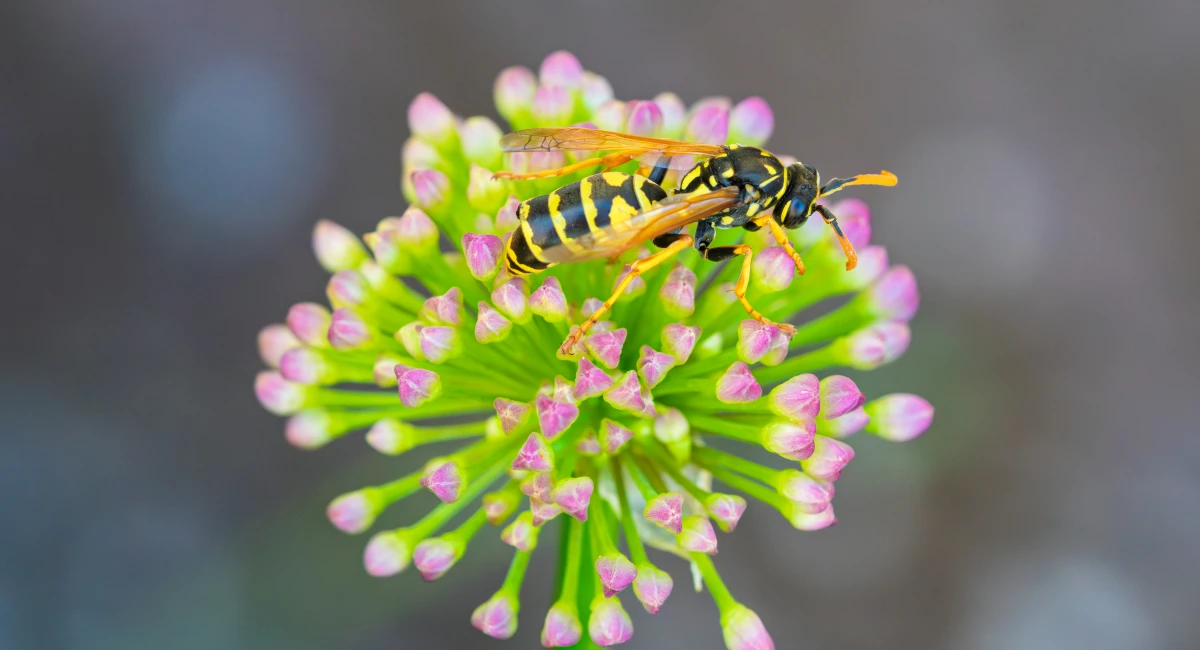
When are wasps most active during the year?
Wasp activity follows the colony's life cycle, which means it builds gradually through spring and summer before peaking in late summer and early fall.
Spring
In early spring, a single fertilized queen emerges from hibernation and begins building a new nest from scratch. She chews wood fibers into a papery pulp, lays the first batch of eggs, and tends to the larvae alone until the first workers hatch. Activity at this stage is low. You might spot a lone wasp investigating your eaves or porch ceiling. That's likely a queen scouting for a nesting site.
This is actually the best time to act. A starter nest is small, the colony is minimal, and treatment is far more straightforward than it will be later in the season.
Summer
By midsummer, the colony is in full swing. Worker wasps take over foraging duties, hunting insects to feed the larvae and gathering materials to expand the nest. Yellowjacket colonies can grow to several thousand workers by late summer, while paper wasp nests typically house a smaller but still active group.
This is when you're most likely to notice wasps around your yard, near trash cans, outdoor food, flowering plants, and standing water. If you're seeing regular activity around a particular spot, there's a good chance a nest is nearby.
Late summer and early fall
This is peak wasp season, and the most challenging time of year for encounters. Here's why: throughout spring and early summer, worker wasps feed on a sugary secretion produced by the larvae they're raising.
By late summer, the queen slows egg production and shifts to raising new queens and males. Fewer larvae mean less of that sugary reward, so workers start seeking sugar elsewhere, including your drinks, your food, and your trash.
At the same time, colonies are at their largest, which means more wasps are competing for fewer resources. The result is wasps that are more persistent, more defensive, and more likely to sting. August and September are typically when wasps are most active and aggressive.
Fall and winter
As temperatures drop, the colony begins to break down. Worker wasps and males die off, and only newly mated queens survive by finding sheltered spots to overwinter under bark, in wall voids, or inside attics. By late fall, most nests are empty.
Wasps don't reuse old nests. Each spring, a new queen builds fresh. However, queens often return to the same general area, so if you've had a nest in a particular spot before, it's worth keeping an eye on it the following spring.
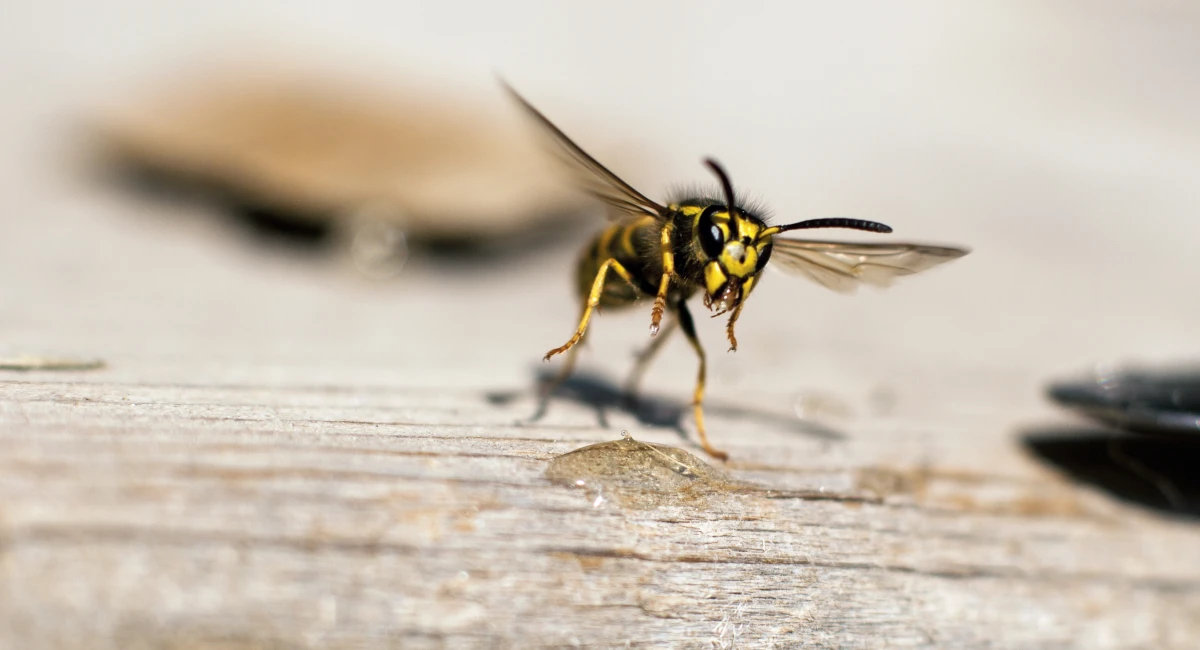
Why wasps become more aggressive in late summer
In early summer, workers have a clear job: feed the larvae, expand the nest, protect the queen. By late summer, that structure breaks down. Workers have no larvae to tend and no natural sugar source. They forage erratically, defend food sources aggressively, and are far more likely to sting if they feel crowded or threatened.
When to call a professional
If you've spotted a nest or noticed a steady stream of wasps entering and exiting a gap in your siding or eaves, it's worth getting a professional assessment. Get in touch with us today.
Wasp nests near your home or business are a genuine sting risk, particularly as colonies grow through summer.
Frequently asked questions
Most wasp species are not active at night. They have poor night vision and rely on warmth and daylight to navigate and forage, so they typically return to the nest at dusk and stay there until morning.
That said, wasps will still defend their nest if disturbed after dark, so avoid shining lights directly at a nest or making vibrations near one.
Hornets follow a similar pattern to other social wasps: most active during the warmest parts of the day and at their peak in late summer and early fall. Hornet colonies grow throughout the warmer months and reach their largest size in August and September, which is also when they tend to be most defensive.
Book a wasp inspection today
Our local technicians will assess your property and recommend tailored solutions. Fast, friendly, and completely obligation-free.
- Safe, targeted treatments
- Local experts, fast response
- Trusted, trained technicians