© 2026 Rentokil Initial plc and subject to the conditions in the legal statement.
Updated on: September 17, 2026
Summer is finally here. Time to soak up some much-needed Vitamin D and enjoy the great outdoors! But wait…..there’s a problem….and it is buzzing all around you.
Yes, those dreaded, perhaps hated, wasps and hornets are back on the scene again. While you might regard your garden as your domain, it is also nature’s backyard. And nature means insects of all types – stinging, biting, flying, buzzing. Don’t add wasp stings to your list of summer burdens like sunburn and hayfever. Follow these tips to avoid stings this summer.
How to keep wasps away
Like all of us, you just want a safe place to live, and your home and yard should offer this security. However, sometimes you just can’t keep wasps out, especially if they have a nest nearby or even on your property. Let’s not forget your pets are also at risk stings.
Keeping wasps away is in everyone’s interest. Understanding what attracts wasps and knowing how to behave when wasps are too close (although that’s easier said than done).
So here are eight things you can do to prevent wasps:
1. Wasps are attracted to food, so ensure it's covered
Think barbecues, picnics, and any outdoor dining. How many times have you seen wasps flying around an open soft drink can? Too many to mention probably.
While wasps prey and feed on insects, as their numbers grow throughout summer, they are increasingly attracted to all of our human food too. To avoid them getting too close, always keep your food and drink covered.
2. Do wasps like tuna? Some do, so keep meat and fish covered too
Yes, certain wasps are drawn to tuna and other proteins, especially in late summer. Wasps switch up their diet through the year: in spring and early summer, they hunt insects to feed their growing colony, but once the colony matures, workers look for quick sources of sugar and protein instead. This shift is why you might spot wasps hovering around a picnic table, a trash can, or an open can of tuna.
Now you see why they like to hover around meat sizzling on your barbecue!
3. Go easy on the scent; heavy perfume can attract wasps
Whatever your preference for smells, floral, herbal, or even just manly – they can make you seem quite irresistible to a nearby wasp. Their attraction to your cologne increases the risk of getting stung. Consider reducing the number of scents you apply during the heat of the day.
4. Stick to neutral tones, as wasps are attracted to bright colors
It's true; wasps can mistake bright colors and floral patterns for flowers, which may draw them closer to you. Wearing bright or floral clothing outdoors, especially in areas with heavy wasp activity, can increase your chances of an unwanted encounter. If you're spending time outside during wasp season, sticking to neutral tones is a simple way to help avoid catching their attention.
5. Inspect your property for nests
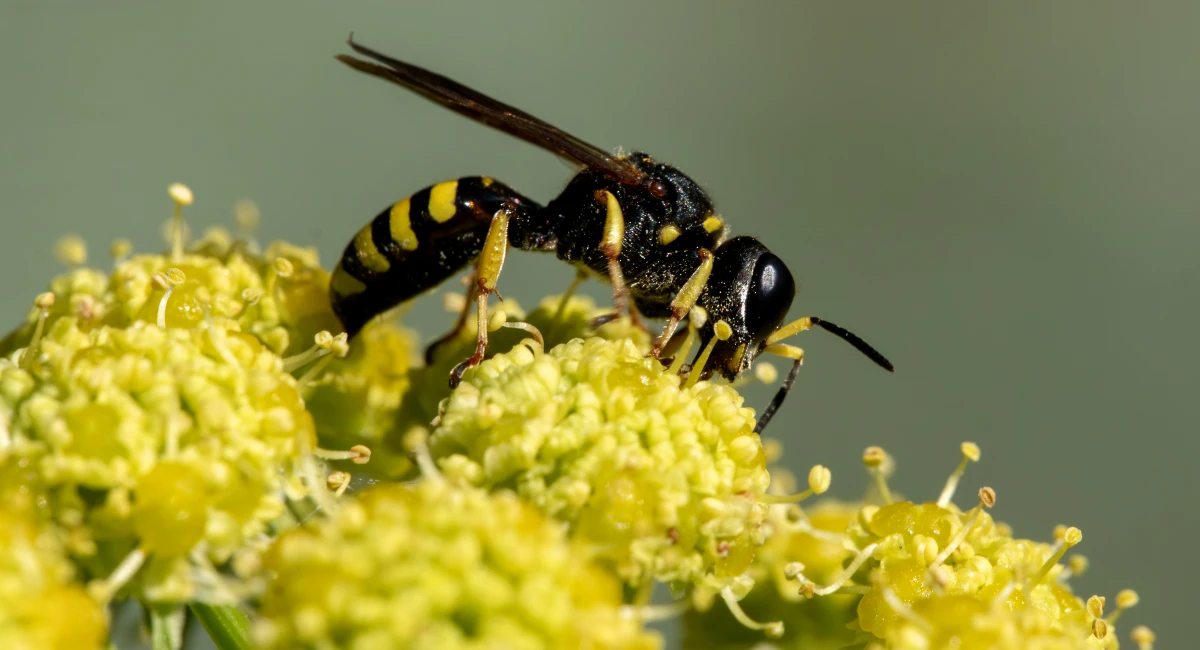
Sheltered wooden locations make the perfect locations for a nest. Though hornets and wasps have slightly different preferences for an ideal location.
You should regularly check these spots on your property for any signs of activity or a nest:
- Under the eaves of your home and anywhere there is an overhang on your building
- Your attic space
- Drain pipes and air vents
- Garages / sheds
- Garden shrubs and trees
- Underside of your decking (if you have one)
- Suspicious holes in your lawn – some wasp species will make nests in old, abandoned rodent burrows
If you do discover a nest, you should get professional advice on how to remove nests. Attempts to remove a nest on your own without proper protection or knowledge are a sure-fire way of getting stung.
6. Cover up – wasps can sting through clothes
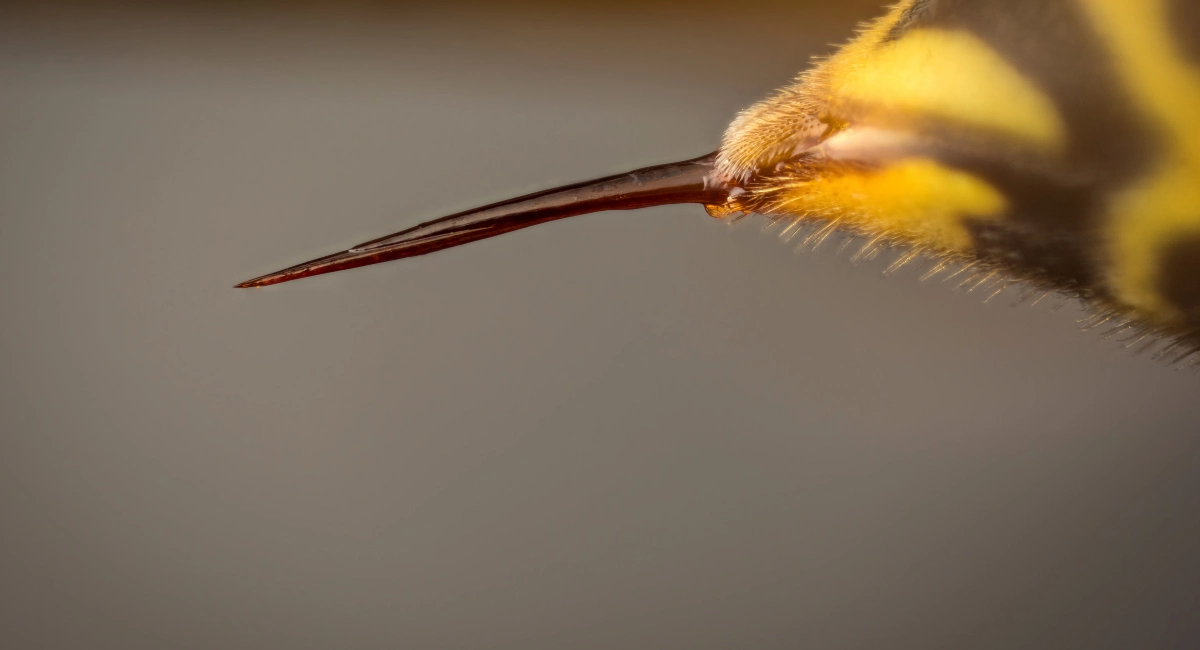
A wasp's stinger is strong enough to pierce through thin fabrics like t-shirts or leggings. Thicker materials, such as denim, offer more protection, but they aren't foolproof either. If a wasp feels threatened or trapped against your skin by clothing, it's likely to sting regardless of what you're wearing.
For a sting-free summer, try wearing light, loose clothing that covers your skin, especially when in areas known for wasp activity.
7. Don’t swat at wasps if they’re circling
If a wasp is circling you, try to stay calm rather than swatting at it. Quick movements can be seen as a threat, which may provoke the wasp to sting. Instead, walk away slowly and calmly to give it space to lose interest.
Wasps release a chemical signal when they feel threatened, which can alert nearby wasps and draw them toward you, especially if a nest is close by. Trying to swat wasps away, and potentially hitting them, makes wasps angry – don’t do it!
8. When a wasp is flying around you, walk calmly away
While you might feel anything but calm, this is really a golden rule. Some wasp species are very aggressive and need only a little provocation to sting. So don’t give them a reason to do this!
Check out more information on wasp control services and stinging insects.
Book your free pest inspection today
Our local technicians will assess your property and recommend tailored solutions. Fast, friendly, and completely obligation-free.
- Safe, targeted treatments
- Local experts, fast response
- Trusted, trained technicians