© 2026 Rentokil Initial plc and subject to the conditions in the legal statement.
Quick overview
- Restaurants attract rodents with food, warmth, and constant foot traffic
- A single dropping can count as evidence during a health inspection
- Mice in restaurants hide near prep areas, storage, and equipment
- Sanitation and sealed storage reduce what draws rodents in
- Professional monitoring helps catch activity before an inspector does
A health inspector doesn't need to see a live mouse or rat in your restaurant to shut down a kitchen. A single dropping tucked behind a prep table is often enough.
Restaurants are among the most appealing targets for rodents in any commercial building, simply because of what they offer: food, warmth, and constant foot traffic through doors. Here's why that happens, what to watch for, and how our commercial pest control technicians help kitchens stay ahead of it.
Why restaurants attract rodents
Every working kitchen has something a rodent wants. Delivery boxes stack up near loading docks, grease collects behind equipment, doors get propped open during a busy service, and food is never far out of reach. Even a well-run kitchen gives rats and mice plenty of opportunity if entry points and food sources aren't managed closely.
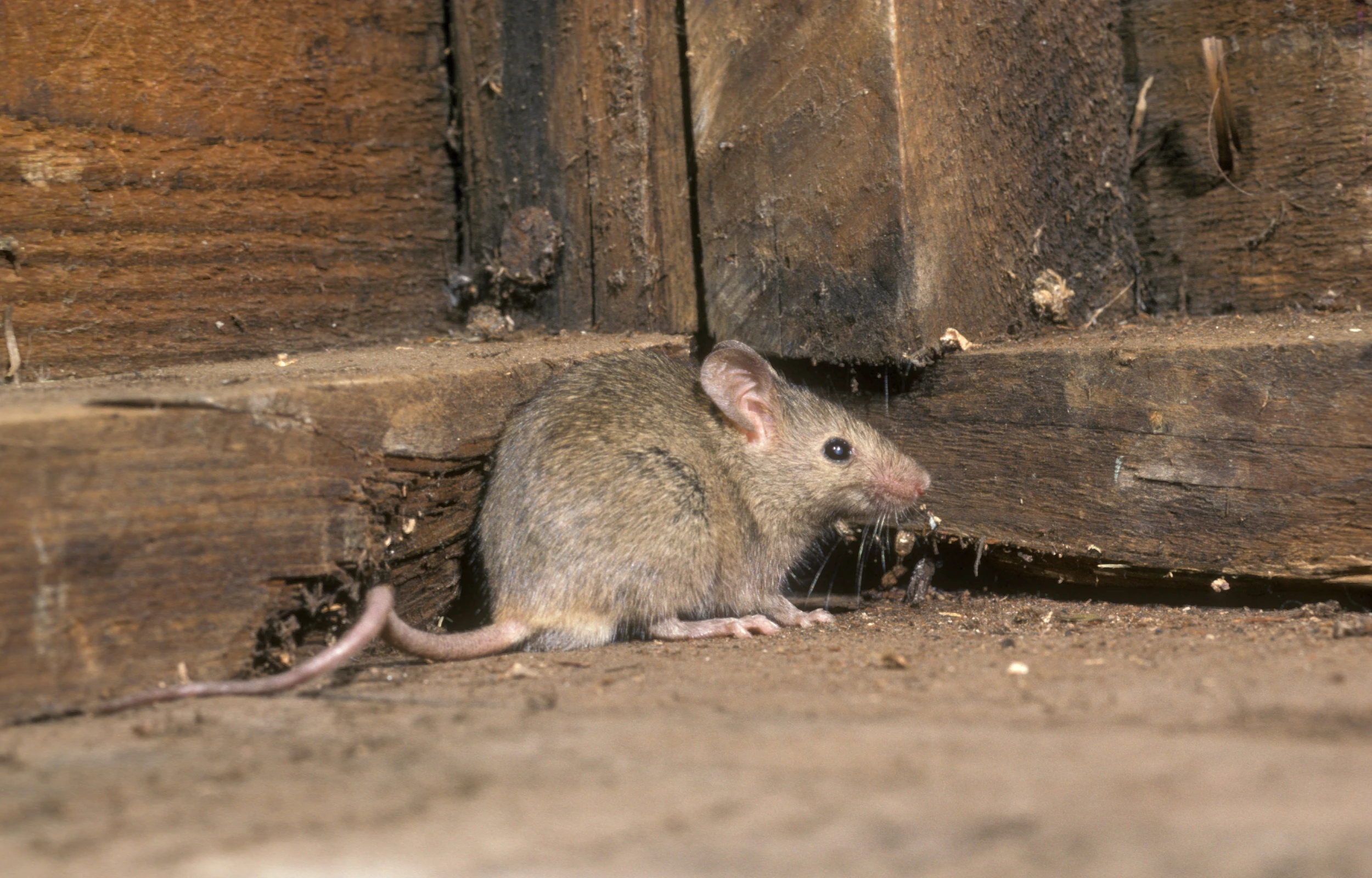
Norway rats generally stick to ground-level areas like basements, drains, and the space behind heavy equipment. House mice are smaller and more agile, able to squeeze through gaps as narrow as a pencil, and they'll settle almost anywhere there's a steady supply of crumbs or spilled ingredients.
Once either finds a reliable food source, they tend to stay and breed quickly, which is why early action matters.
Signs of a rodent infestation in your restaurant
Catching a rodent problem early is almost always easier than dealing with an established one. Here are a few signs:
- Droppings. Fresh droppings look dark and moist; older ones turn pale and brittle. Size and shape can help tell rats and mice apart
- Gnaw marks. Chewed packaging, damaged cardboard, or marks on wooden shelving are common signs of activity
- Grease trails. Dark, smudged marks along baseboards or under equipment often mark a regular travel path
- Unusual smells or sounds. A musty odor in dry storage or scratching behind walls after closing can both point to a nearby nest
If staff notice any of these, it's worth treating the first sign seriously. Waiting to confirm a bigger problem usually means more time, more cost, and more risk to your next inspection.
Steps that help keep rodents out
A few consistent habits go a long way toward keeping a kitchen protected. Sanitation is the starting point, and that means cleaning behind and under equipment regularly, keeping floor drains clear, and storing dry goods off the floor and away from walls.
Sealed storage makes a real difference too, since airtight containers for dry goods and tightly lidded bins, both inside and at the dumpster, remove easy food sources rodents would otherwise find.
Entry points deserve just as much attention, as gaps around pipes, vents, and door sweeps are common ways in. Our rodent exclusion service identifies and seals these spots as part of a longer-term plan. Ongoing monitoring brings it all together, since scheduled inspections and documented visits provide a clear compliance record if a health inspector ever asks for it.
It's worth noting that rodenticides generally can't be used inside food prep, storage, or service areas, so most of the work indoors comes down to exclusion, sanitation, and mechanical control, with bait limited to the exterior perimeter.
Rodent exclusion for commercial spaces
Exclusion work looks a little different in a commercial kitchen than it does in a home. Entry points tend to be larger and more varied, from gaps around utility lines and loading dock doors to worn seals on walk-in coolers, and a quick-fix material rarely holds up under the kind of daily wear a busy kitchen puts it through.
That's part of why our technicians rely on Flexi Armour™, a knitted steel mesh that keeps its shape under pressure rather than loosening or compacting down the way looser materials can over time. It also resists rust and moisture, which matters in spaces that see regular cleaning, steam, and temperature changes.
For commercial kitchens requiring around-the-clock monitoring, our PestConnect system provides 24/7 digital rodent detection. Using automated sensors, it immediately alerts local technicians to any rodent activity, allowing for rapid, targeted responses to resolve issues before an inspection.
Get in touch with our professionals
Rodent activity in a restaurant puts your inspection score, reputation, and day-to-day operations at risk. Our commercial technicians can help pinpoint weak spots, address ongoing issues, and implement a prevention plan to keep your restaurant protected.
Get in touch with us to schedule your first free inspection.
Our pest-proofing armor deters rodents without harming them, reducing the need for chemicals and showing our commitment to humane treatment and sustainability.
Book your free pest inspection today
Our local technicians will assess your property and recommend tailored solutions. Fast, friendly, and completely obligation-free.
- Safe, targeted treatments
- Local experts, fast response
- Trusted, trained technicians