© 2026 Rentokil Initial plc and subject to the conditions in the legal statement.
Quick overview
- DIY sprays and zappers only reach the mosquitoes they touch directly
- Entomologists study mosquito behavior to target every stage of the lifecycle, not just adults
- An integrated mosquito management program pairs barrier treatments with other tools that target all life stages
- Repellent devices are often quieter and less disruptive than people expect
- The result: control built around mosquito behavior, not guesswork
Reach for a spray can, and you might get a quick, visible result. But a spray only ever kills what it touches, and it does nothing for the breeding sites you can't see. That's why real progress in mosquito control has come less from stronger chemicals and more from understanding mosquito biology and behavior in detail, then building tools around it.
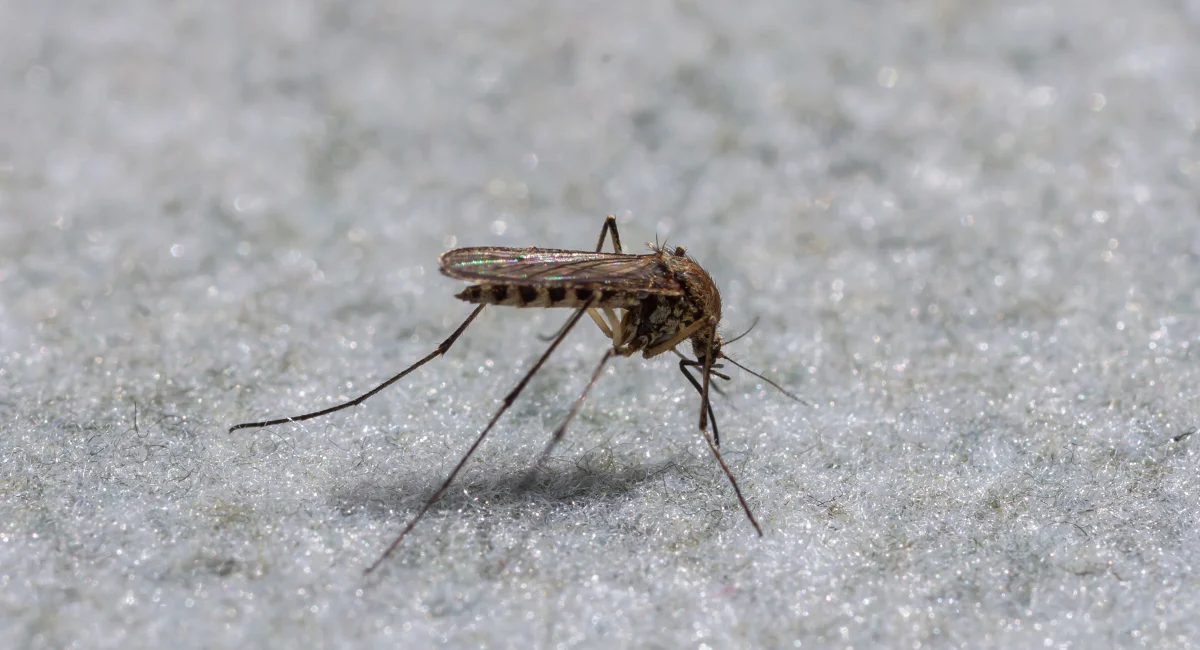
Why spraying alone isn't the full answer
DIY sprays and store-bought devices can knock back a visible mosquito problem for a day or two, but they're working against a moving target.
Mosquito populations in some areas are developing resistance to the insecticide classes available for adult control, which is part of why the CDC recommends ongoing resistance testing as part of any serious mosquito management program. Mosquitoes are also a genuine public health concern in the U.S., not just a nuisance: the CDC recorded 1,808 West Nile virus cases nationally in 2024, making it the leading mosquito-borne disease in the contiguous states.
Earlier this year, Florida also experienced its highest number of locally acquired Dengue fever cases – more than double historical records.
The combination of an extremely adaptable pest and the danger posed by mosquito-borne diseases means that homes and businesses need to find a solution that can help protect them in the long term.
Studying behavior to find every weak point
This is where entomology comes in: Josiah Ritchey, senior vector entomologist at the Rentokil Terminix North American Innovation Center, spends his time studying pests; "Anything that bites, stings, or can transmit diseases to humans are organisms that we specifically focus on," he explains, describing the wider remit that includes mosquitoes, ticks, bed bugs, and other biting or stinging insects.
That kind of close study of behavior – how mosquitoes find breeding sites, how females behave once they're ready to lay eggs, how a fungus or a growth regulator moves through a population – has shaped some of the mosquito solutions our experts now use in the field.
It also means control isn't limited to killing adult mosquitoes on contact. It can target eggs and larvae too, cutting off the problem before it has a chance to grow. To see what that looks like as a full program, we asked Josiah to break down how an integrated mosquito management program brings these pieces together:
Solutions built around how mosquitoes lay eggs
An example of research of this nature directly influencing design can be seen with solutions like auto-dissemination ovitraps. Rather than killing mosquitoes on contact, they work by attracting females to water treated with a growth regulator that is active at very low concentrations and is therefore easily spread by individual female mosquitoes.
"These traps work by basically attracting females that are gravid or are looking for a spot to lay eggs, wherein they lure that female to the water in the trap," Ritchey explains. "That water typically contains a growth regulator called pyriproxyfen, which basically interrupts the life cycle of developing mosquitoes."
Certain types of ovitraps also incorporate slow-acting adulticides, such as the naturally occurring fungus, Beauveria bassiana, alongside the growth regulator. Because it doesn't kill the female immediately, she has time to lay eggs at other sites, unknowingly carrying the growth regulator with her, before ultimately succumbing to the infection caused by the entomopathogenic fungus. "When she flies away and lands in another suitable spot for eggs, she spreads that pyriproxyfen into that new breeding source as well.”
As Ritchey sums it up: "This not only controls developing mosquitoes that are in the trap, but it also uses the mosquito's biology to spread product to different sites where females may lay other eggs."
One trap, understood this way, can influence breeding sites a technician would otherwise never physically find, extending protection well past the boundary of the property itself.
For restaurants, bars, and hotels with outdoor guest areas, this reach matters: A patio or courtyard can look clean on the surface while standing water just beyond the property line, a neighboring lot, a drainage ditch, or a gutter no one checks can keep the problem going.
Repellents that fit into everyday operations
Behavioral research also shapes how other tools are used, including the repellent devices that often run alongside traps as part of a wider program. Ritchey addresses a common concern directly:
"A common misconception surrounding the use of repellent devices…is that they can often be loud or that they produce unpleasant odors. However, we know that the active ingredient in a lot of these products is typically odorless, and the devices that are used to emit this product don't use fans and actually rely on product volatilization in operation."
For guest-facing businesses, that matters just as much as effectiveness. A device that runs quietly in the background fits into day-to-day operations without drawing attention or disrupting the experience you're trying to protect.
What this means for your property
For homeowners, the same principle applies on a smaller scale. Removing standing water and overgrown vegetation, paired with professional mosquito control, gives a program more ways to reach mosquitoes than a spray alone ever could (you can also learn more about mosquito behavior and identification to understand what's drawing them to your property in the first place).
The bigger picture is the same for homes and businesses alike: control that's built around how mosquitoes actually live and breed will always outlast control that only reacts to what you can see. Get in touch with our mosquito control experts to build a plan suited to your property.
Book your free pest inspection today
Our local technicians will assess your property and recommend tailored solutions. Fast, friendly, and completely obligation-free.
- Safe, targeted treatments
- Local experts, fast response
- Trusted, trained technicians