© 2026 Rentokil Initial plc and subject to the conditions in the legal statement.
Subterranean termites are one of the most destructive termite species in the United States. For commercial properties, this can mean severe structural damage, unbudgeted repair costs, compliance exposure, and operational disruption that standard commercial property insurance rarely covers. This threat is particularly pronounced in the Southeast, where hot, humid climates create a haven for voracious species like the eastern subterranean termite and the highly aggressive Formosan termite. Protecting your facility requires a proactive approach to termite control and customized commercial pest control to halt infestations before they cause costly damage.
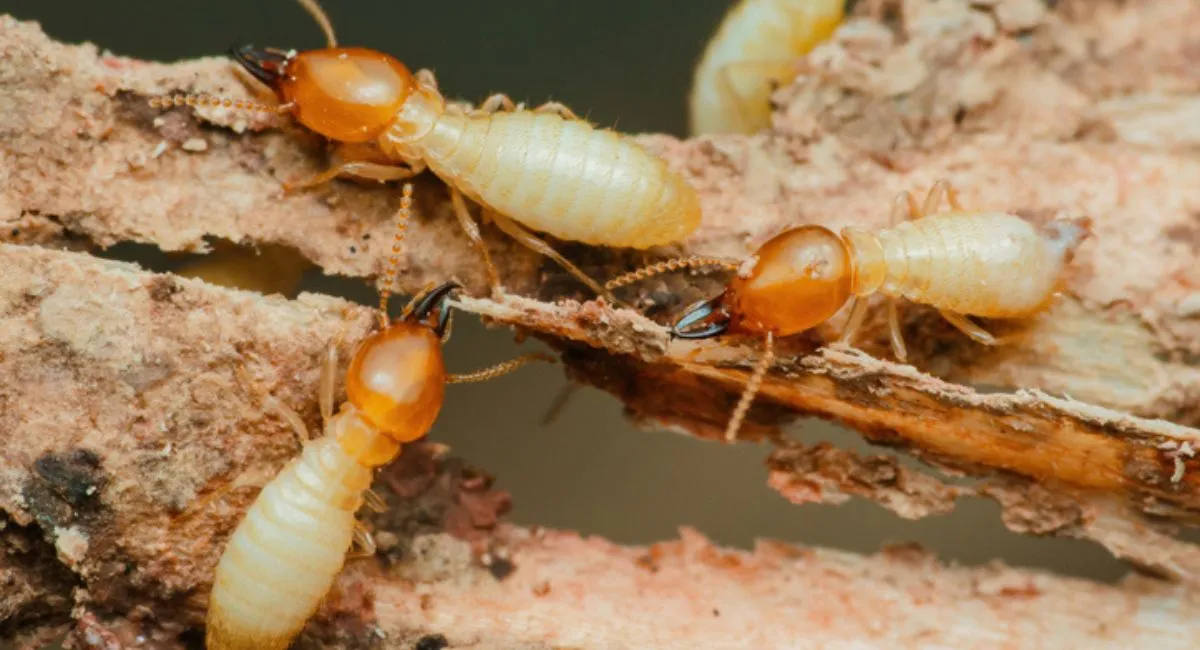
Understanding subterranean termites in the Eastern U.S.
Subterranean termites are soil-dwelling insects that build their colonies underground and require continuous contact with soil moisture to survive. Unlike drywood termites, which nest within the wood they eat, subterranean termites live in the soil and travel to wood sources through mud tubes, narrow tunnels they construct from soil and saliva along foundation walls, floor joists, and support beams.
In the Eastern U.S., businesses face two primary subterranean threats:
- Native subterranean termites (Reticulitermes): This type of termite is present across every eastern state. They thrive in the high humidity, heavy rainfall, and swampy areas characteristic of the Southeast and Mid-Atlantic climates.
- Formosan subterranean termites (Coptotermes formosanus): Intensely established across southeastern coastal states, Formosan termites are an invasive, incredibly aggressive species. Their colonies can number in the millions, compared to the tens of thousands typical of native species, allowing them to destroy structural timber at an alarming rate.
What do subterranean termites look like?
Because different subterranean termite species can impact the Eastern U.S., identifying them by caste and species is crucial for executing an effective subterranean termite treatment plan.
- Workers: Cream to pale white, one-eighth to three-eighths of an inch long, soft-bodied, and wingless. They are the caste that actually digests cellulose, though they are rarely seen because they avoid open air and light.
- Soldiers: Similar in size and pale coloration to workers, but easily distinguished by their large, elongated, yellowish-brown heads and powerful dark jaws.
- Native swarmers: These dark brown to black reproductive termites are three-eighths to a half inch long with two pairs of translucent wings of equal length. They typically swarm during daylight hours in the spring.
- Formosan swarmers: Unlike native swarmers, Formosan reproductives are yellowish-brown or golden-brown, slightly larger (about half an inch long), and are covered in tiny hairs. They famously swarm in massive clouds during warm, humid spring and summer evenings, heavily attracted to outdoor lights.
Subterranean termites vs. flying ants
These two insects are routinely confused during swarming seasons, but have distinct physical characteristics:
- Termite swarmers have straight antennae, a broad waist, and four wings that are all exactly the same length.
- Flying ants have elbowed antennae, a distinctly pinched waist, and two pairs of wings, where the front pair is noticeably larger than the hind pair.
.d8d07ea8e6accf2427e8ad5a8e1917b4.webp)
Signs your business has a subterranean termite infestation
In the Eastern U.S., commercial architecture often features expansive crawl spaces, older brick-and-mortar foundations, and heavy timber framing, all of which can provide ideal entry points and food sources for termites. Look out for these critical indicators:
- Mud tubes: These pencil-width mud tunnels run along foundation walls, crawl space piers, floor joists, and utility penetrations. If you break a section of a tube and find it rebuilt within 24 to 48 hours, an active colony is present.
- Soft wood: Subterranean termites eat wood from the inside out along the grain, leaving a layered, honeycomb pattern behind a thin outer veneer. Structural members may crumble when tapped.
- Buckling paint or bubbled wallboard: Termite feeding releases moisture into wall cavities. This creates an effect that closely mimics water damage, often misdiagnosed as an HVAC or plumbing leak.
- Discarded swarmer wings: Finding piles of broken, equal-length wings near windowsills, doors, or light fixtures indicates a mature colony is nesting inside or immediately adjacent to the building.
What damage can subterranean termites cause businesses?
Because subterranean termites can remain undetected for years without active monitoring, the scope of physical and financial damage to a commercial facility can be significant.
- Compromised structural integrity: Termites actively target structural elements like load-bearing floor joists, wall studs, subflooring, and structural support beams.
- Accelerated wood rot: In the East and Southeast, high regional humidity and frequent storms cause wood rot and moisture trapping. Soft, water-damaged wood is highly attractive to termites, exponentially compounding structural decay.
- Rapid Formosan destruction: While native species damage generally builds over years, a mature Formosan termite colony can compromise structural timbers in a matter of months due to their sheer population density.
- Operational and regulatory fallout: For facilities in regulated sectors, such as food processing, healthcare, hospitality, and multi-family housing, documented termite activity can trigger immediate audit failures, health department citations, and forced operational shutdowns.
- Pure out-of-pocket costs: Most standard commercial property insurance policies strictly classify termite damage as a preventable maintenance issue, completely excluding it from coverage. Every dollar spent on structural framing repairs or floor system replacements may come directly out of your operating budget.
How to prevent subterranean termites on commercial properties
Effective prevention focuses on eliminating the two core elements subterranean termites need to survive: direct soil access and excessive moisture.
- Manage stormwater and moisture: The Eastern U.S. is prone to heavy spring/summer storms and tropical systems. Ensure that gutters, downspouts, and site grading direct water far away from building foundations.
- Regulate HVAC condensation: Commercial HVAC units generate massive amounts of condensation. Ensure lines drain properly into designated systems rather than pooling against exterior foundation walls or leaking into crawl spaces.
- Maintain ground clearances: Keep at least a six-inch gap between soil and any wood framing or siding around your facility. Remove any decorative mulch, wood debris, or landscaping ties from the building's immediate perimeter.
- Seal entry pathways: Seal foundation cracks, mortar joints, and gaps around incoming utility penetrations with appropriate sealants to prevent physical entry.
- Deploy vapor barriers: Install high-quality, continuous vapor barriers in crawl spaces to reduce ambient humidity and prevent moisture from migrating into subflooring.
.498e2dab83a65055b2ca90532b417aac.webp)
Commercial treatment options for subterranean termites
When a colony threatens a commercial asset, selecting a fast-acting, authoritative commercial termite treatment is critical, especially given the destruction associated with Formosan termites in coastal areas. Ehrlich utilizes three primary methods tailored to your building's design and industry regulations:
Liquid soil treatments
A specialized liquid termiticide is applied to the soil surrounding and beneath the foundation, forming a continuous protective barrier. As termites pass through this undetectable zone, they share the active ingredient throughout the colony. This method provides structural protection and is a common choice for intervention in active infestations.
In-ground baiting systems
Discreet monitoring stations are placed in the soil around the exterior perimeter. When foragers find the stations, they feed on a slow-acting bait and carry it back to eliminate the entire underground colony, including the reproductives. Baiting is highly effective and minimally disruptive, requiring no interior drilling or trenching in high-traffic commercial spaces.
In some instances, a dual approach may be necessary to help eliminate termites.
When should you call a professional for subterranean termites?
If you notice any signs of termites, it’s important to act fast. Subterranean termites will not vacate a structure on their own, and standard facility maintenance teams lack the diagnostic tools required to trace colonies nesting deep within concrete slabs, wall cavities, or commercial crawl spaces.
The eastern subterranean termite and the Formosan termite represent a continuous threat to structural stability and business compliance. Partnering with a professional helps ensure your facility meets the strict standards of care expected by regulatory inspectors, tenants, and insurers.
The commercial experts at Ehrlich inspect your facility as a complete ecosystem, analyzing visible components from foundation lines and HVAC condensation zones to structural framing, to deliver documented, audit-ready protection.
Frequently asked questions
The speed of damage depends heavily on the species, colony size, and moisture levels. Formosan subterranean termites cause damage much faster than native species due to their massive colony sizes, posing a severe risk across Southeastern states like Florida, Georgia, Louisiana, and the Carolinas. Because termites feed out of sight, infestations can go unnoticed for years, meaning significant structural damage has already occurred by the time they are discovered.
The primary difference between drywood and subterranean termites comes down to nesting habits and moisture needs. Subterranean termites nest in the ground, require soil moisture, and build mud tubes to access wood. Drywood termites (such as the Southeastern drywood termite) nest entirely within the dry wood they consume and require no contact with the soil. Subterranean infestations typically involve sprawling, massive colonies that forage across large areas, whereas drywood infestations are smaller and more localized, though they can still cause damage to roofing timbers, furniture, and architectural trim.
Yes, subterranean termites are active in every state except Alaska. However, the highest-risk regions for commercial infrastructure are concentrated across the Southeast and Gulf Coast states, particularly states like Mississippi, Alabama, Georgia, and Florida, where persistent warmth and high humidity support year-round foraging and accelerated colony growth.
A reliable field test is to carefully break a small section of an exposed mud tube and check it again in 24 to 48 hours. If the gap has been sealed or rebuilt, the colony is actively foraging. Seeing live termites inside exposed wood or finding freshly discarded swarmers' wings around light fixtures also confirms active pressure. A professional inspection using specialized detection equipment is the only way to fully confirm the status of activity in hidden wall cavities.
Standard commercial property insurance policies typically exclude termite damage and remediation costs. Insurers view termite activity as a preventable maintenance issue rather than an accidental or sudden loss. Because of the heightened risk of native and Formosan termites across the East and Southeast, implementing a proactive commercial monitoring and treatment plan is an essential line item to protect your operating budget from unexpected expenses.
Schedule your free pest inspection today
Get peace of mind knowing your home or business is protected. Our technicians will assess your property and recommend customized solutions.
Book your free pest inspection today
Our local technicians will assess your property and recommend tailored solutions. Fast, friendly, and completely obligation-free.
- Targeted treatments applied safely and responsibly
- Local experts, fast response
- Trusted, trained technicians