© 2026 Rentokil Initial plc and subject to the conditions in the legal statement.
Quick overview
-
Stored-product insects (SPIs) are small, hard-to-spot pests that threaten food safety and business reputation.
- SPIs fall into three categories: beetles/weevils, moths, and mites, each with distinct feeding behaviors.
- Key infestation signs include damaged packaging, live/dead insects, larvae, and silken webbing.
- Regular inspections of incoming shipments are critical to preventing infestations from spreading.
- A proactive pest control strategy protects revenue, reputation, and customer safety in the long term.
In a food processing facility, it's natural to look for common pests like cockroaches or flies, but what happens when there are smaller insects that are harder to see and identify to the untrained eye? The financial loss from contaminated or damaged goods can have a significant impact on a business, especially if it’s gone unnoticed for a while.
Not only can a business suffer financial losses, but its reputation and customer safety can also be at risk. This is why it is imperative to learn the signs of these “tiny but mighty” stored-product insects (SPIs) or stored-product pests.
What are stored product insects (SPIs)?
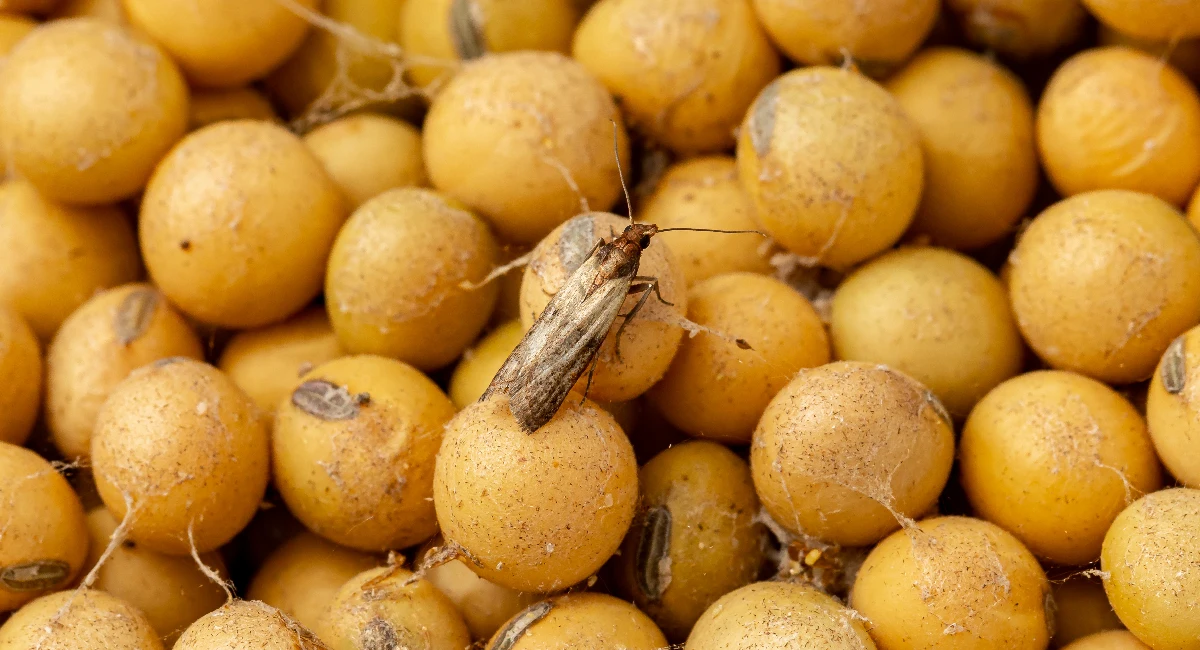
Stored product insects can be delivered with any food order or even crawl or fly into food storage areas because of the smell. They can easily hide in cracks or crevices where food is stored, waiting to feed on the next batch brought in. Most dried food products can be susceptible to these pests, including seeds, nuts, dried fruit, spices, powdered milk, flour, tea, and preserved meats.
While there are various types of stored product insects that can infest a facility, they are generally classified into three main categories, and they can also be broken down by their feeding habits:
How stored product insects feed
Not all stored-product insects damage food in the same way. Knowing how different pests feed can help facility managers identify the threat and take targeted action more effectively.
-
Internal Feeders (Primary Pests): These pests lay eggs inside intact kernels and seeds. The larvae hatch and consume the product from the inside out.
- Rice Weevil
- Granary Weevil
- Angoumois Grain Moth
- Lesser Grain Bore
- External feeders (secondary pests or scavengers): These pests feed on the outside of products, grain dust, flour, or damaged kernels.
- Indian Meal Moth
- Sawtoothed Grain Beetle
- Confused & Red Flour Beetles
- Drugstore Beetles
- Cigarette Beetles
- Grain Mite/Flour Mite
- Mold Mite
- Cosmopolitan Foods Mite
Types of stored product insects: beetles, moths & mites
Stored-product pests come in a variety of shapes, sizes, and species, with each posing a unique risk to food storage facilities. Here's a breakdown of the three main pest types you need to be aware of:
- Beetles and weevils: The adults and larvae have biting mouthparts, and some species are adapted to feed on and breed in a range of dried plant and animal products used in food processing facilities. Most of these can fly as adults to find new feeding and breeding sites. Some, however, have no functional wings and rely on human activity to stay near a suitable food supply.
- Moths: Adult moths have no biting mouth parts, but their larvae do. The larvae use these mouthparts for eating solid foods and can chew through some types of packaging. The winged adults are the most mobile and can fly to food sources that are suitable for laying their eggs.
- Mites: These are not insects, but arachnids, and the smallest of the pests at less than 1mm across when adult. Not only can these tiny pests contaminate and taint food, but they can sometimes cause allergic reactions in some individuals.
It’s worth noting that these pests can also enter packaging made of paper, cardboard, plastic, cellophane, and foil. The entrance holes of some insects can sometimes be smaller than the human eye can see, so there may be no visible damage to packaging containing pests.
Signs of a stored product insect infestation
Early and thorough detection is critical to catching infestations as early as possible.
It’s not only important to conduct regular inspections of stored products and storage areas, but also to know the signs to look for.
Common indicators of stored product insects can include:
- Damaged products and packaging: Look for compromised products or holes on the outside of packaging and bags.
- Evidence of Insects: Live or dead insects (beetles & moths), in food storage areas, beams, windowsills, food processing machinery, packaging, and food products.
- Contaminated spills: Food spillages containing live insects, larvae, pupae or silken webbing
- Structural clues: Larvae, pupae, or silken webbing found on beams and window sills in areas where food is stored
It is important to note that while these may be the most common signs, indicators such as minor packaging damage may be false alarms. Proper training can help distinguish true infestations from mild issues, preventing unnecessary interventions.
How to prevent stored product pest infestations
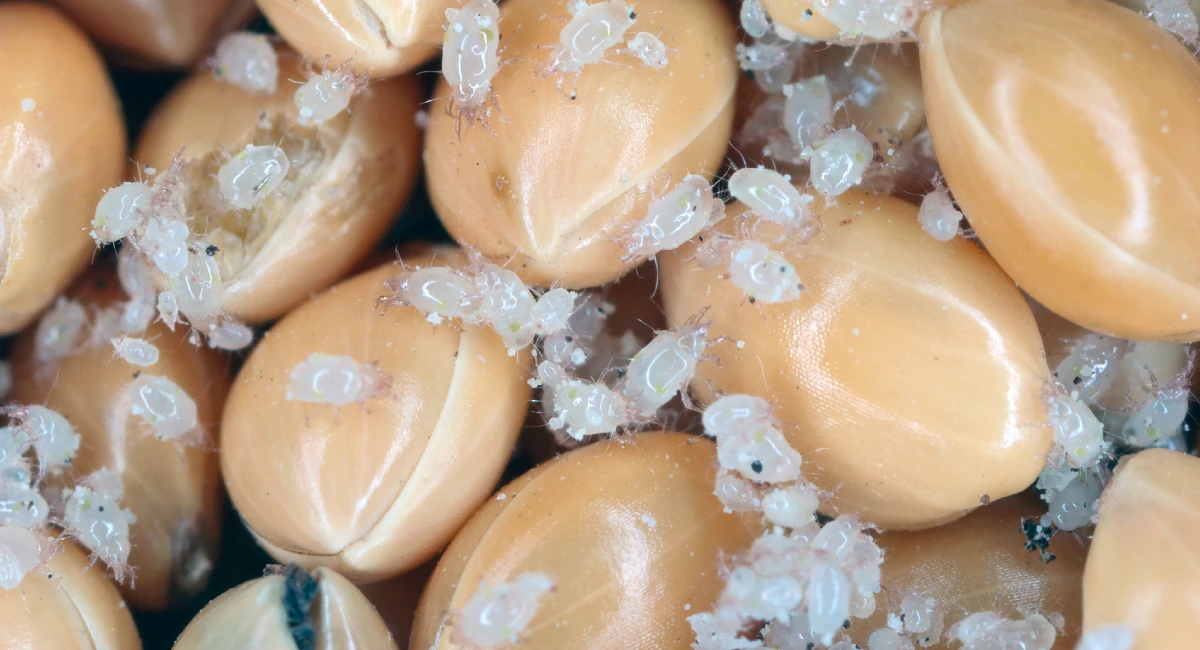
Small infestations can quickly spread throughout a facility if left unnoticed, leading to a much more significant problem for the business. To effectively manage these pests, facility managers and operators must act as a first line of defense, making regular inspections an essential part of their strategy.
- Inspect incoming raw materials - Incoming shipments should be inspected in an area away from the primary product storage for any evidence of live pest activity. If found, it should be immediately rejected and returned to the supplier.
- High standards of hygiene, sanitation and housekeeping practices - Clean up all excess food material such as spills and dust accumulation near machinery, equipment, storage, or transport vehicles.
- Store all stock/food material off the floor and away from walls - This helps prevent contamination and makes cleaning and inspections easier.
- Keep raw materials in strong packaging - Sufficiently robust and or airtight packaging can prevent infestation in food facilities, such as food processing plants, warehouses, bakeries, storage areas, grain silos, and domestic buildings.
- Install tight-fitting insect screens or screen doors - Ensure they are regularly maintained and in good condition.
- Waste management - Ensure that all trash bags are sealed, trash cans are cleaned before delivery, and that trash cans are kept closed except when waste is being added. Waste or spillage creates a food source, and these areas may become a harbor for pests.
In addition to these tips, it is important to note that products used infrequently or not managed by the FIFO (First In, First Out) protocol, which involves placing items with the earliest best-before or use-by dates at the front of your food storage areas and placing items with later dates towards the back, can also become susceptible to pest harborage and potential infestations.
Why you need a professional pest control plan
Even with knowledge of the signs of stored-product pests and preventive measures to reduce the risk of an infestation, a robust pest control plan is crucial for any facility. These small pests can lead to significant revenue loss due to damaged and unusable goods, as well as severely harming the company's reputation.
Implementing a proactive pest control strategy for your food processing facility can help mitigate these risks and ensure the facility operates at maximum efficiency. Speak to your local Ehrlich technician today about stored product pest control.
Book your free pest inspection today
Tailored, reliable pest management for businesses to minimize disruption and help control pest issues.
- Reduce contamination risks while maintaining industry health standards
- Proactive monitoring and treatment to help minimize pest risks
- Custom pest control plans designed to fit fast-paced food service environments